

Ready to explore some of the most jaw-dropping natural wonders right here in the USA? From mystical deserts to lush rainforests and stunning coastlines, our great nation is brimming with incredible sights that you won’t believe are real. So buckle up and get ready to add some new destinations to your must-see list!

The Caribbean for Less Than You Think
Up to 65% off + a resort credit + a free night at select Sandals resorts. 8 islands. 17 resorts. All-inclusive everything. See the deals →
The Wave (Arizona/Utah Border)
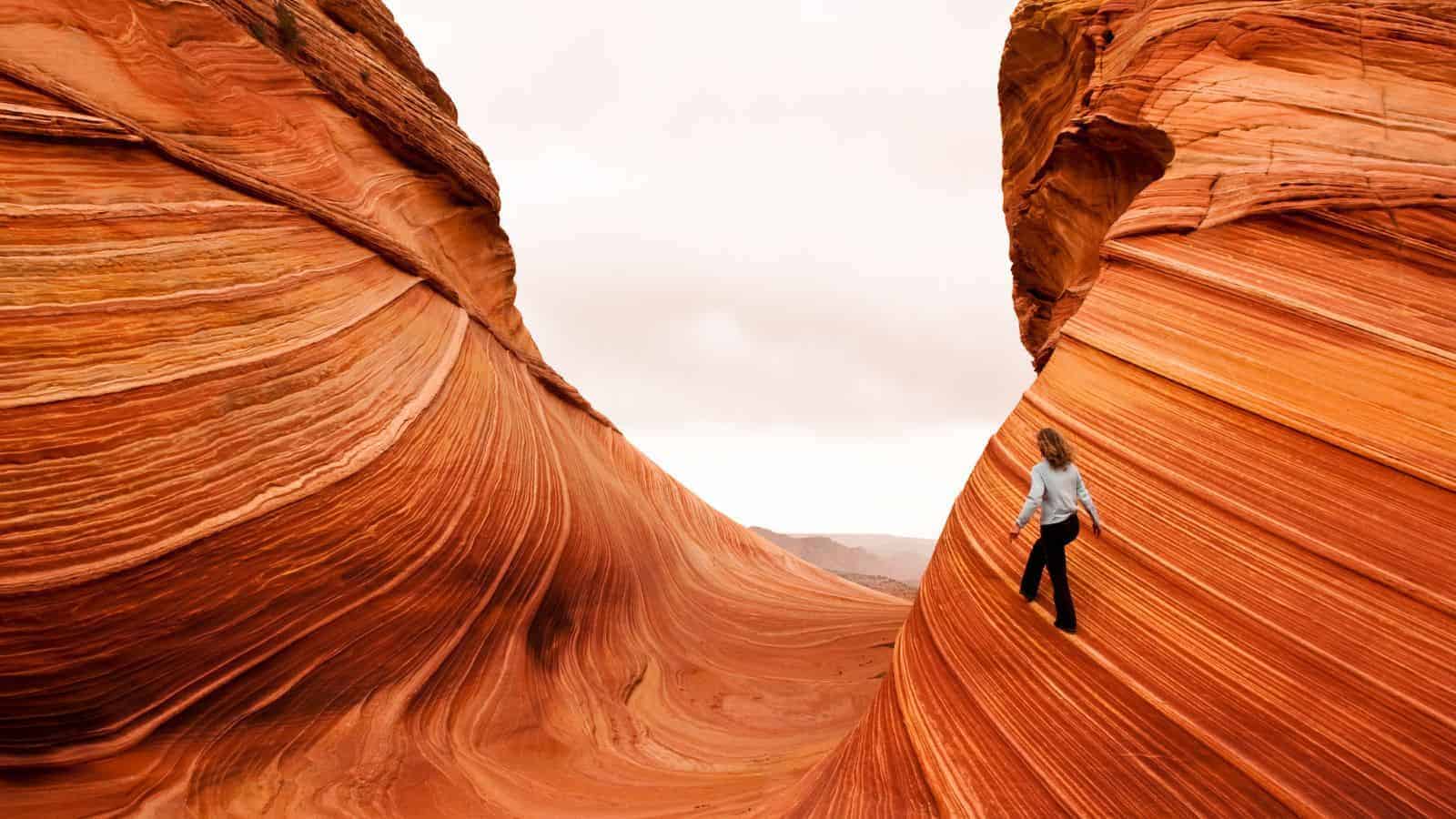
The Wave, perched on the slopes of the Coyote Buttes in the Paria Canyon-Vermilion Cliffs Wilderness, is a mesmerizing sandstone rock formation straddling the Arizona-Utah border. This geological masterpiece, formed around 190 million years ago, boasts vibrant, wave-like patterns in dazzling reds, pinks, and yellows created by varying iron oxide concentrations.
Known for its surreal beauty and photographic allure, The Wave is a bucket-list destination for hikers and photographers alike. Access is highly regulated with limited permits issued daily, making the journey to this natural wonder a coveted adventure.
Antelope Canyon (Arizona)
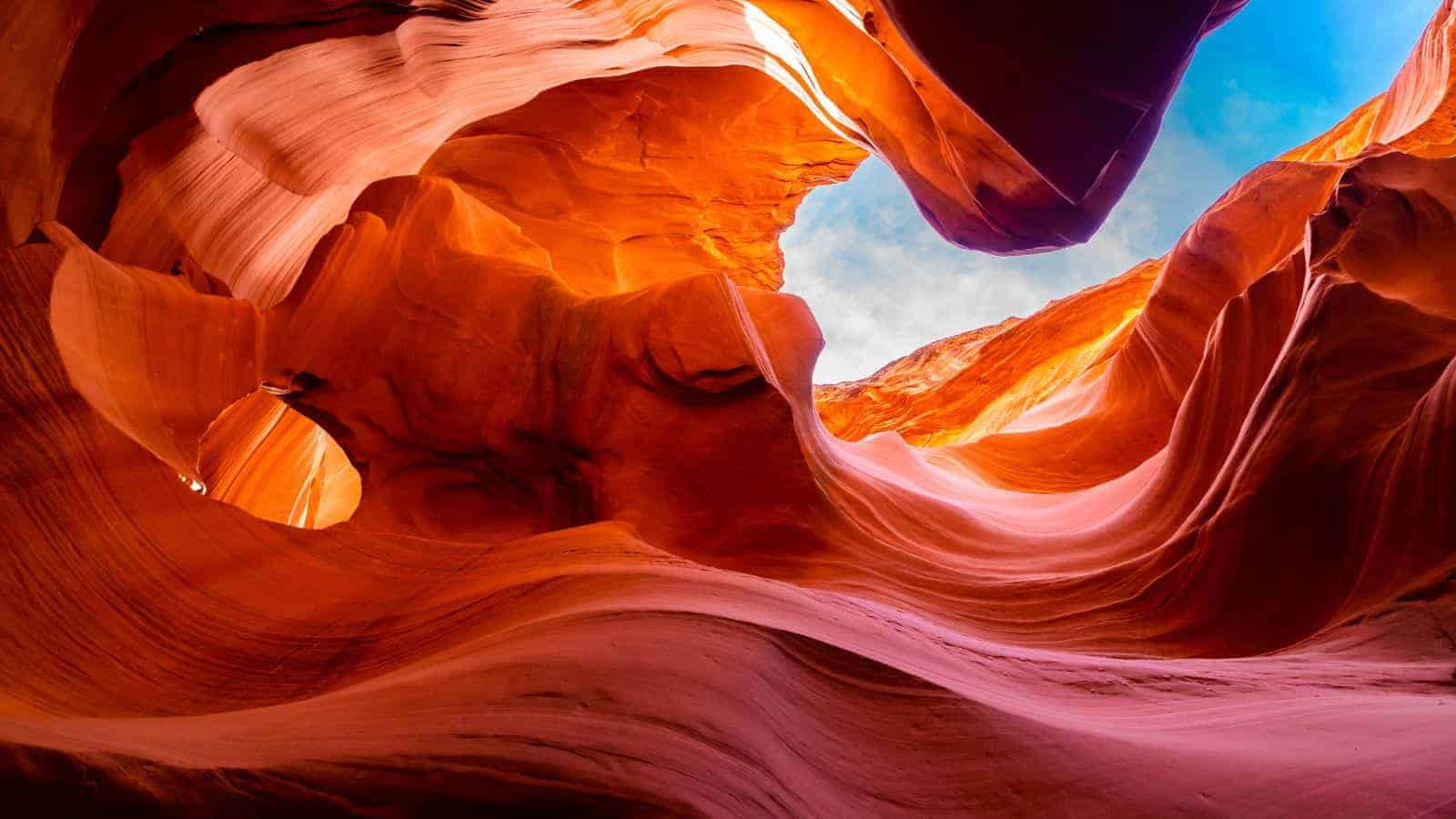
Antelope Canyon, near Page, Arizona, is one of the most photographed slot canyons in the world, split into two sections: Upper (“The Crack”) and Lower (“The Corkscrew”). Formed by millennia of flash flooding and erosion, its smooth, flowing sandstone walls and ethereal light beams create a hypnotic play of colors and shadows.
This visually stunning and culturally significant site is located on Navajo land, and visitors can explore its enchanting landscape through guided tours led by Navajo guides. Antelope Canyon’s surreal beauty and accessibility make it an iconic natural wonder in the United States.
Thor’s Well (Oregon)
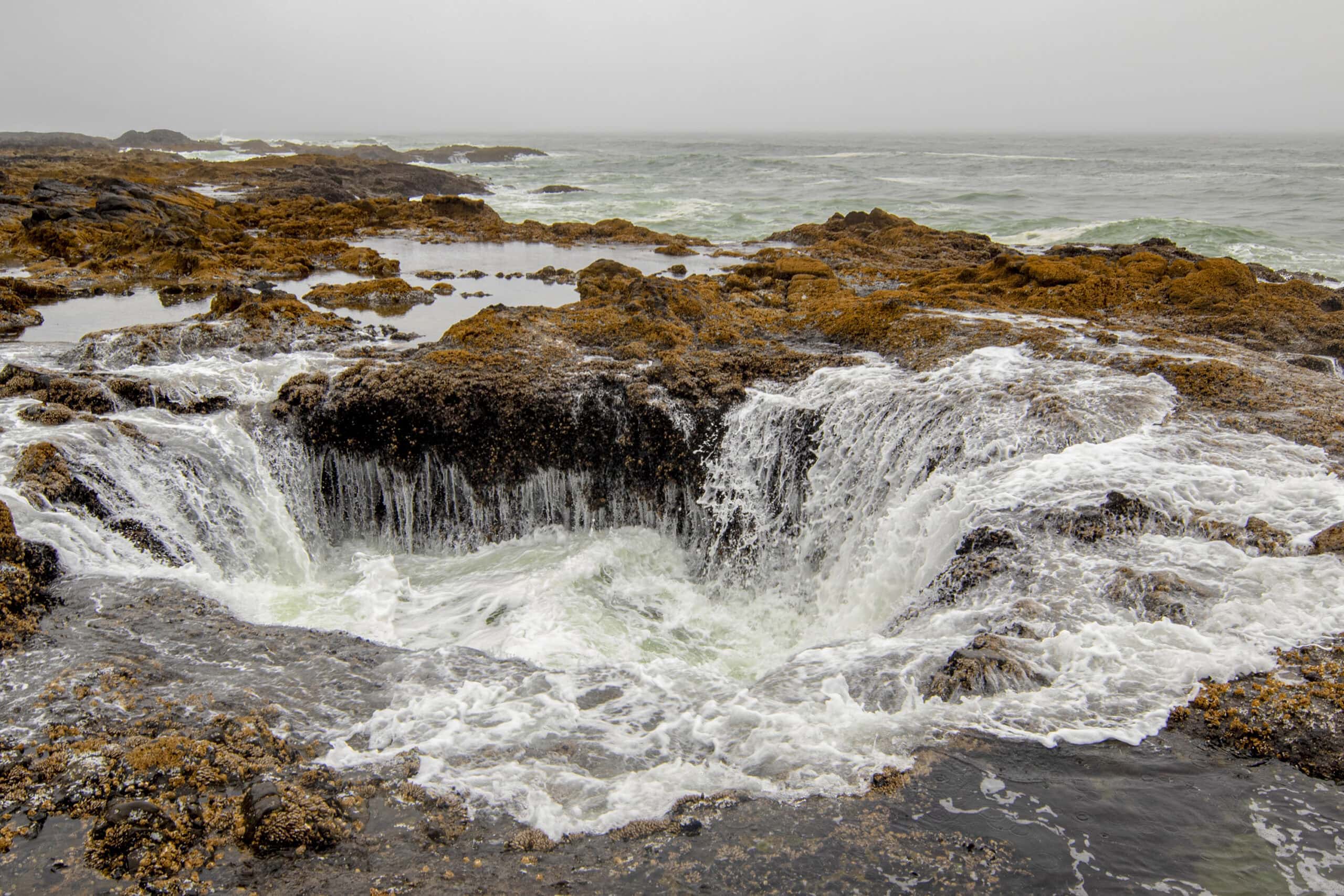
Thor’s Well, located in the Cape Perpetua Scenic Area on the Oregon coast, is a dramatic sinkhole known as “the drainpipe of the Pacific.” Formed by the collapse of a sea cave, this natural wonder appears to swallow the ocean as waves crash in and water surges out.
The well is especially impressive during high tide or stormy conditions, creating a spectacular display of nature’s power. While visually arresting, it’s essential to observe Thor’s Well from a safe distance due to the powerful waves and slippery rocks.
Hamilton Pool Preserve (Texas)
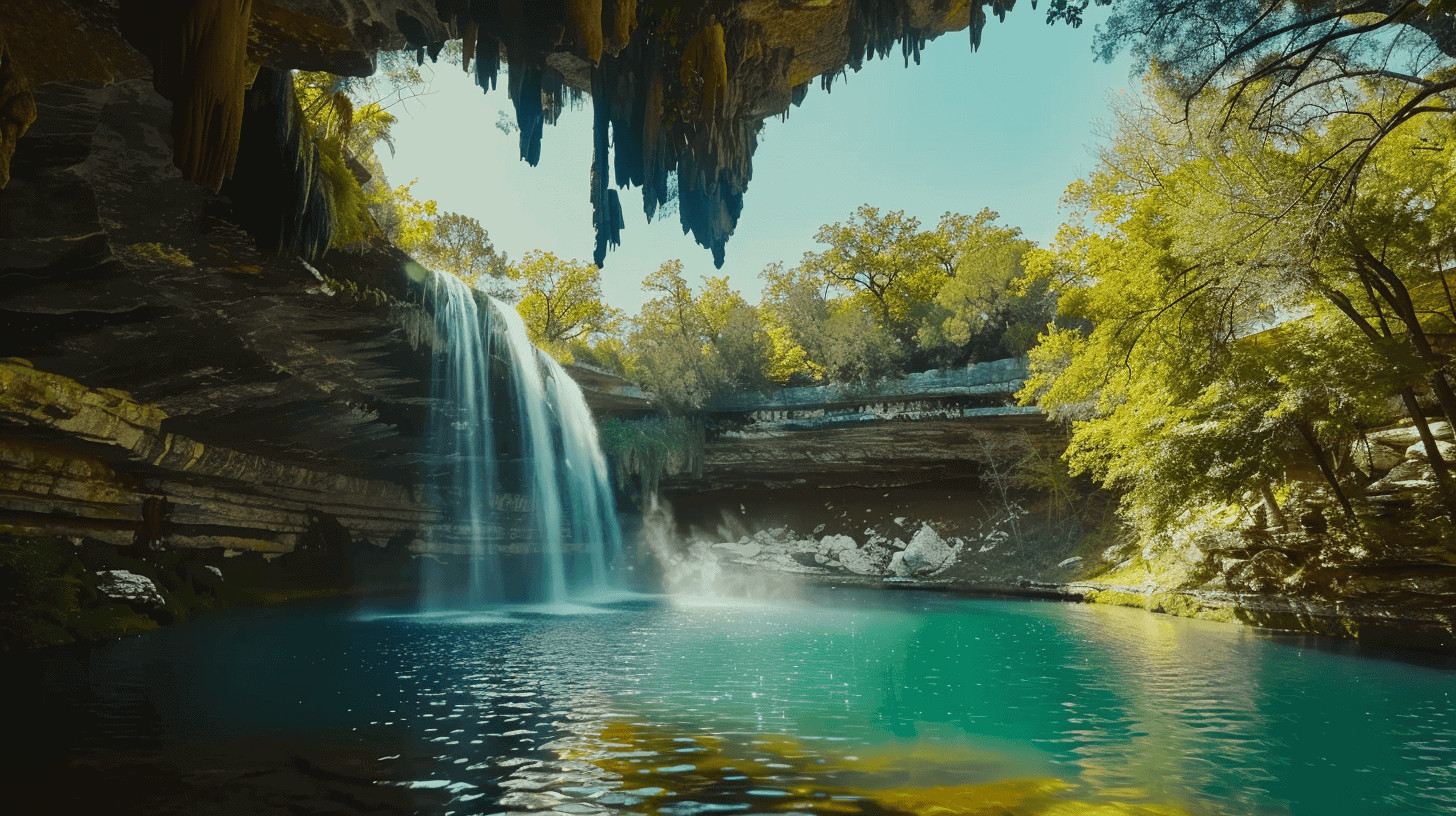
Hamilton Pool Preserve, about 23 miles west of Austin, Texas, is a captivating natural pool renowned for its serene beauty and unique geological features. Formed thousands of years ago by the collapse of an underground river dome, it boasts an impressive 50-foot waterfall and jade-green waters surrounded by overhanging limestone cliffs and lush vegetation.
This tranquil oasis is perfect for swimming, hiking, and nature photography, and is protected to preserve its pristine condition. With its striking scenery and ecological significance, Hamilton Pool is a must-visit natural wonder in the United States.
Great Sand Dunes National Park (Colorado)
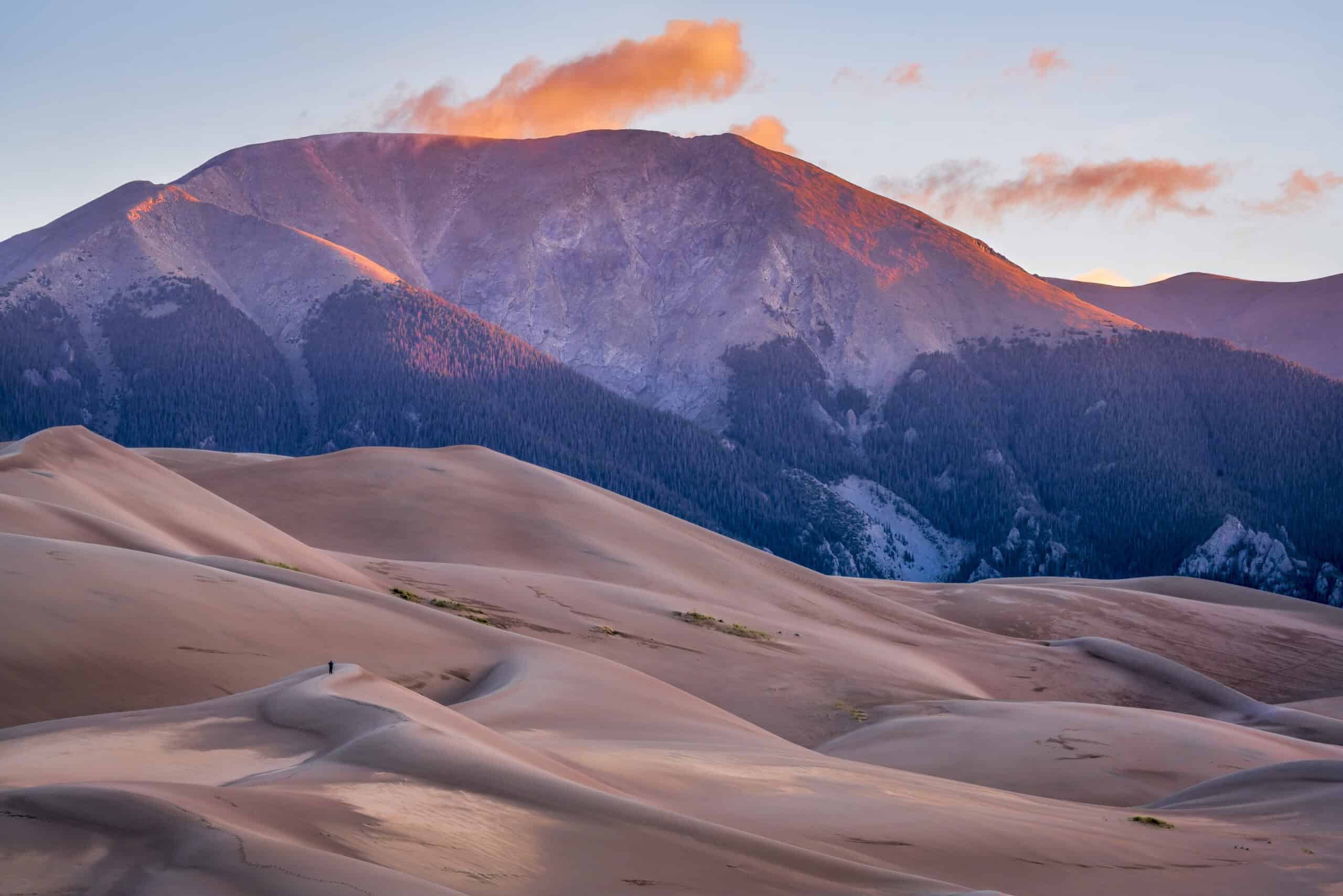
Great Sand Dunes National Park in southern Colorado is home to North America’s tallest sand dunes, some reaching heights of up to 750 feet. Nestled against the dramatic backdrop of the Sangre de Cristo Mountains, these dunes create a surreal and breathtaking landscape.
Formed over a million years ago, the dunes are continuously reshaped by wind, making each visit a distinctive adventure. The park offers activities like sandboarding, hiking, and stargazing, and it holds cultural significance for Native American tribes, making it a must-visit for both nature lovers and adventure seekers.
Carlsbad Caverns (New Mexico)
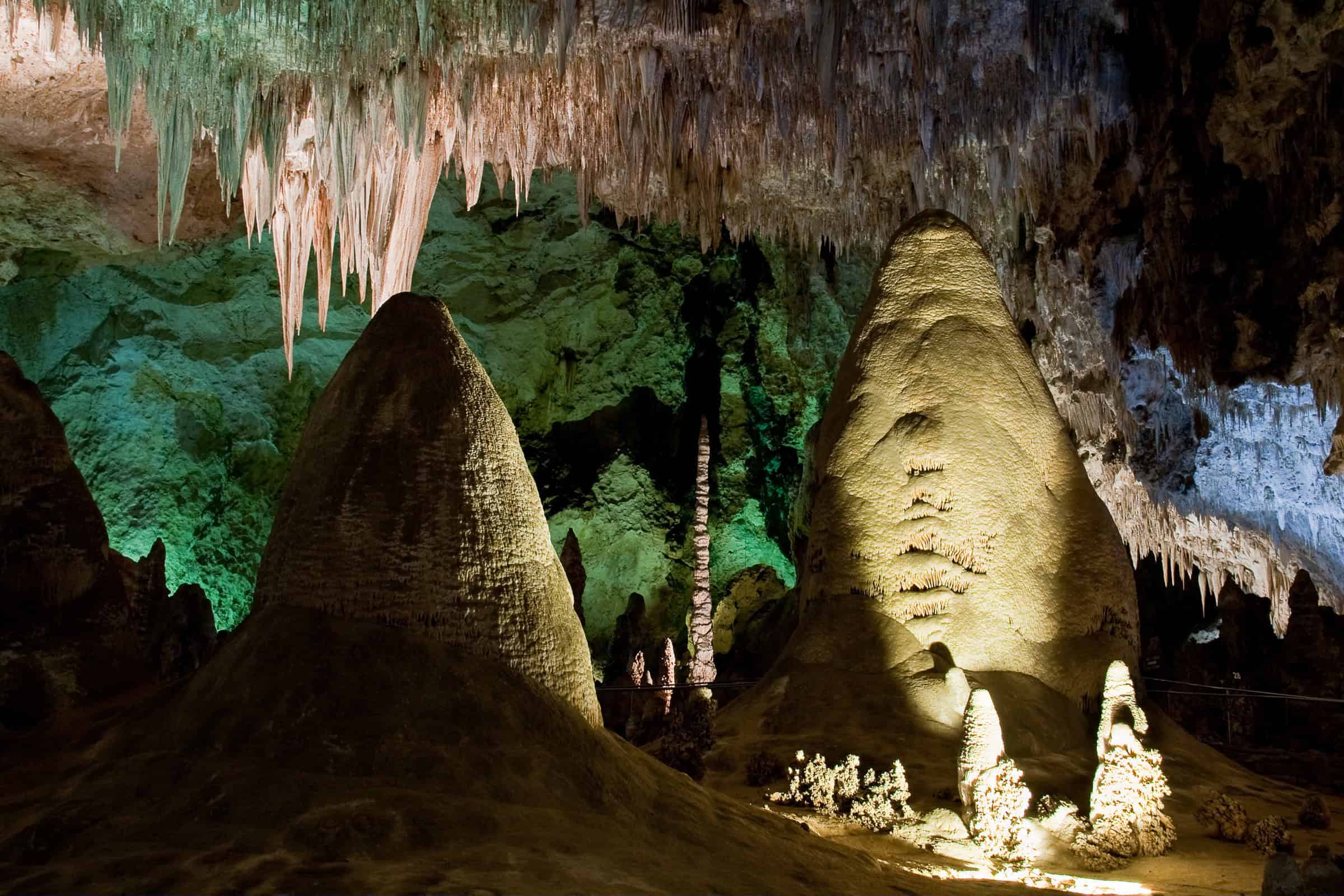
Carlsbad Caverns, nestled in the Chihuahuan Desert of southeastern New Mexico, is one of the world’s most renowned and accessible cave systems. Formed by sulfuric acid dissolving limestone, the caverns feature imposing rock formations and vast chambers, including the immense Big Room, which spans 4,000 feet long and 255 feet high.
Discovered by cowboy Jim White in 1898, the caverns are famous for unique features like the Rock of Ages and the spectacular nightly Bat Flight Program. With guided tours and educational programs, Carlsbad Caverns offers a captivating glimpse into the subterranean wonders of the United States.
Crater Lake (Oregon)
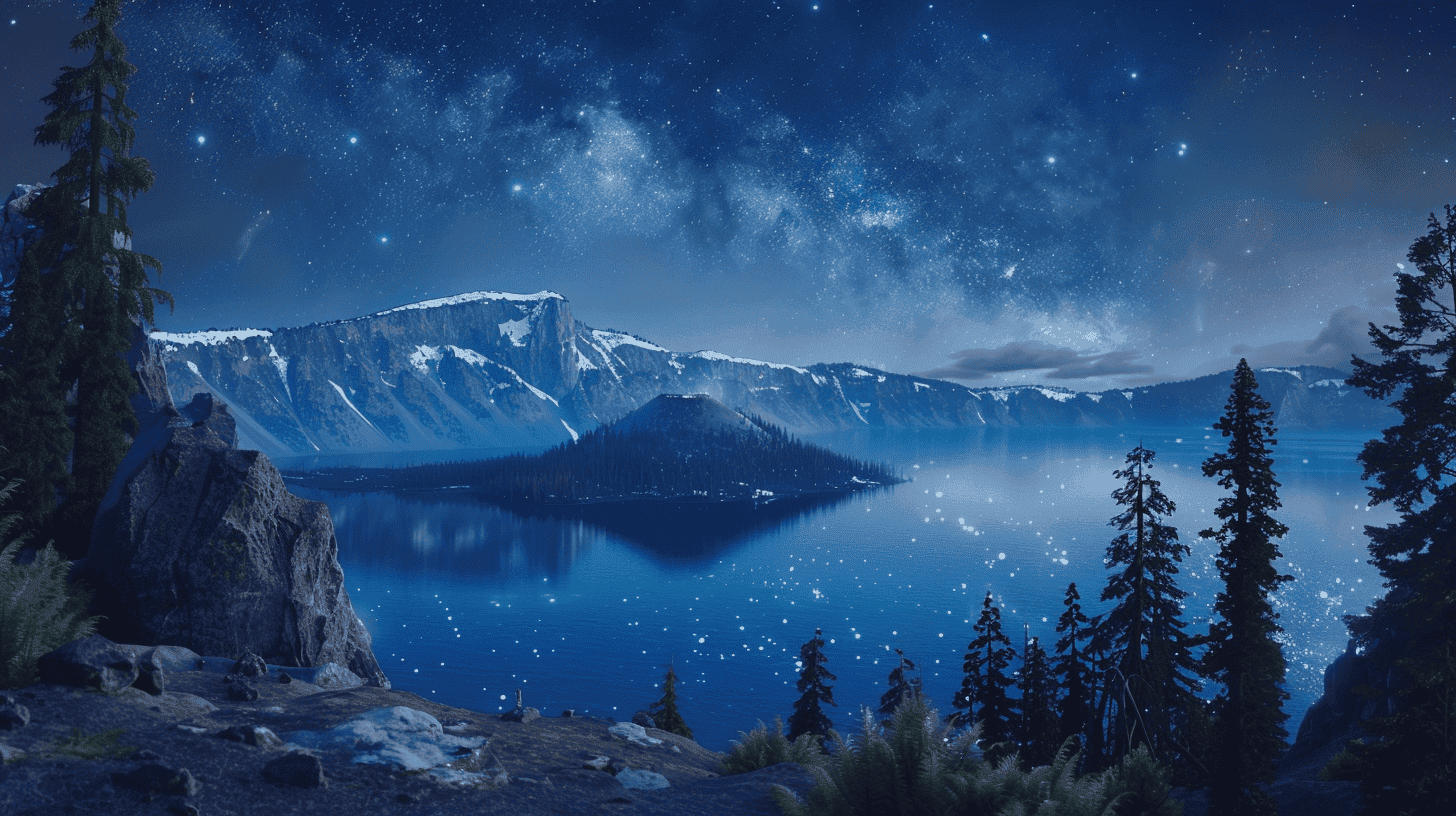
Crater Lake, located in southern Oregon’s Crater Lake National Park, is renowned for its strikingly deep blue color and remarkable clarity. Formed around 7,700 years ago by the collapse of Mount Mazama following a massive volcanic eruption, it is the deepest lake in the United States at 1,943 feet.
The lake’s purity comes from being fed solely by rain and snow, contributing to its vibrant blue hue. Highlights include Wizard Island and Phantom Ship, adding to the lake’s enchanting atmosphere. Crater Lake’s natural beauty, geological significance, and cultural heritage make it an iconic natural wonder in the USA.
Mammoth Cave (Kentucky)
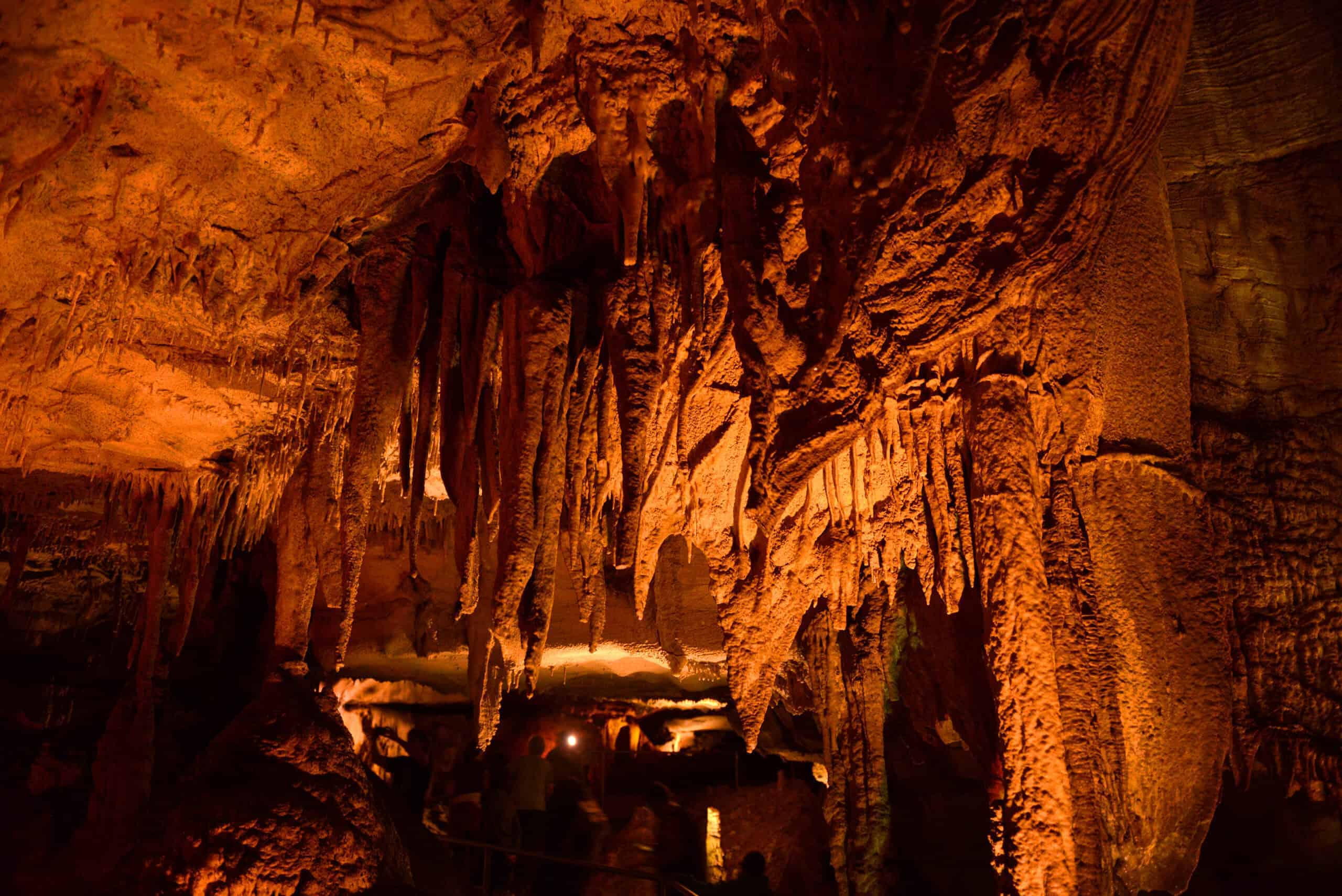
Mammoth Cave, located in south-central Kentucky, is the world’s longest cave system, boasting over 400 miles of explored passageways. As the heart of Mammoth Cave National Park, a UNESCO World Heritage Site, it features vast chambers, narrow passageways, and extraordinary formations like stalactites, stalagmites, and gypsum flowers.
Highlights include the massive Rotunda and the Frozen Niagara section. With guided tours and an ecosystem rich in species adapted to darkness, Mammoth Cave offers a captivating underground adventure for nature enthusiasts and history buffs alike.
Devils Tower (Wyoming)
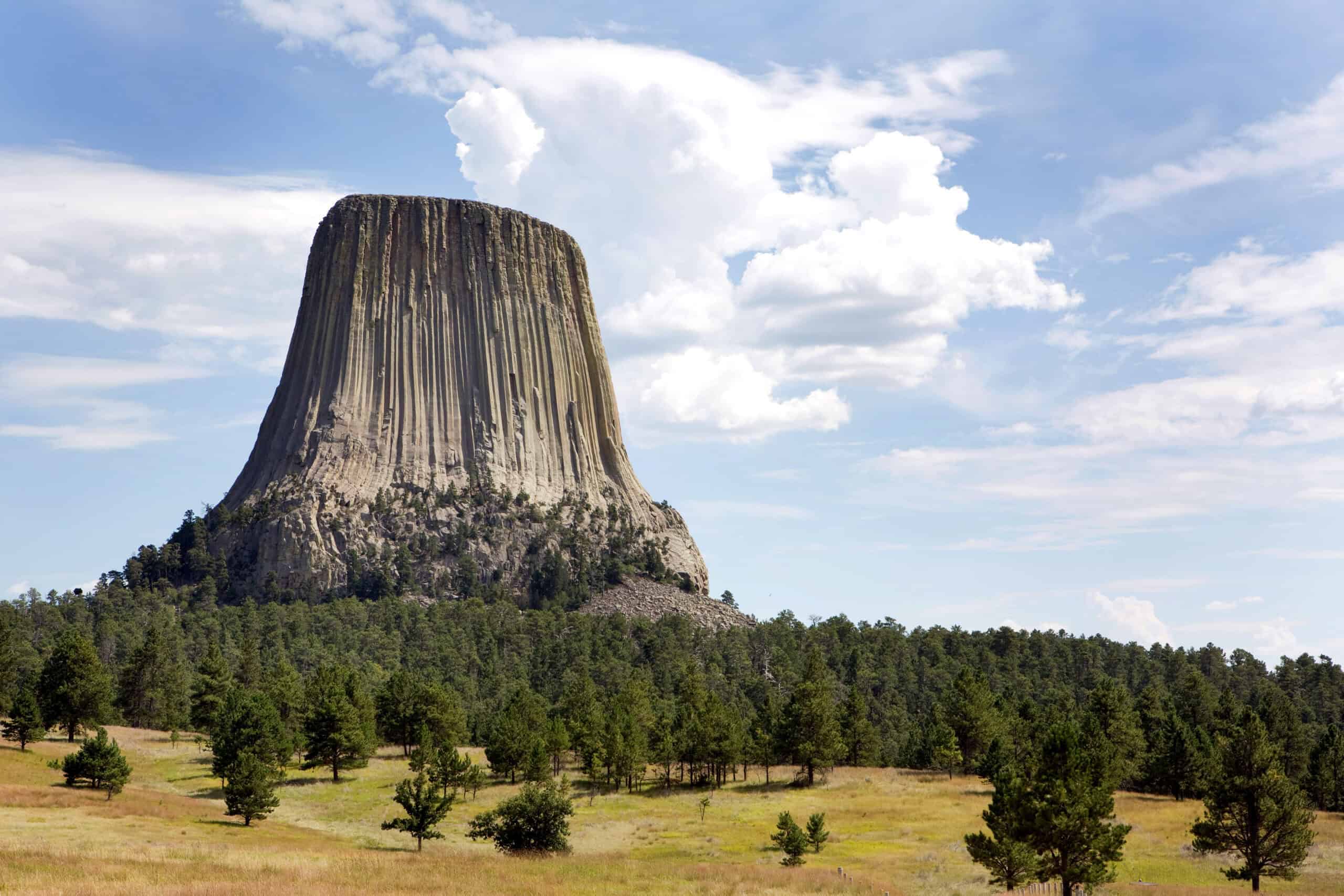
Devils Tower, a striking monolith in northeastern Wyoming, rises 1,267 feet above the surrounding terrain and is famed for its unique columnar basalt formations. Designated as the United States’ first national monument by President Theodore Roosevelt in 1906, this geologic marvel was formed around 50 million years ago and holds deep cultural and spiritual significance for Native American tribes.
The tower’s dramatic landscape attracts rock climbers, hikers, and nature enthusiasts who come to explore its challenging climbs and scenic trails. With its towering presence and rich history, Devils Tower remains one of the most captivating natural wonders in the USA.
Badlands National Park (South Dakota)
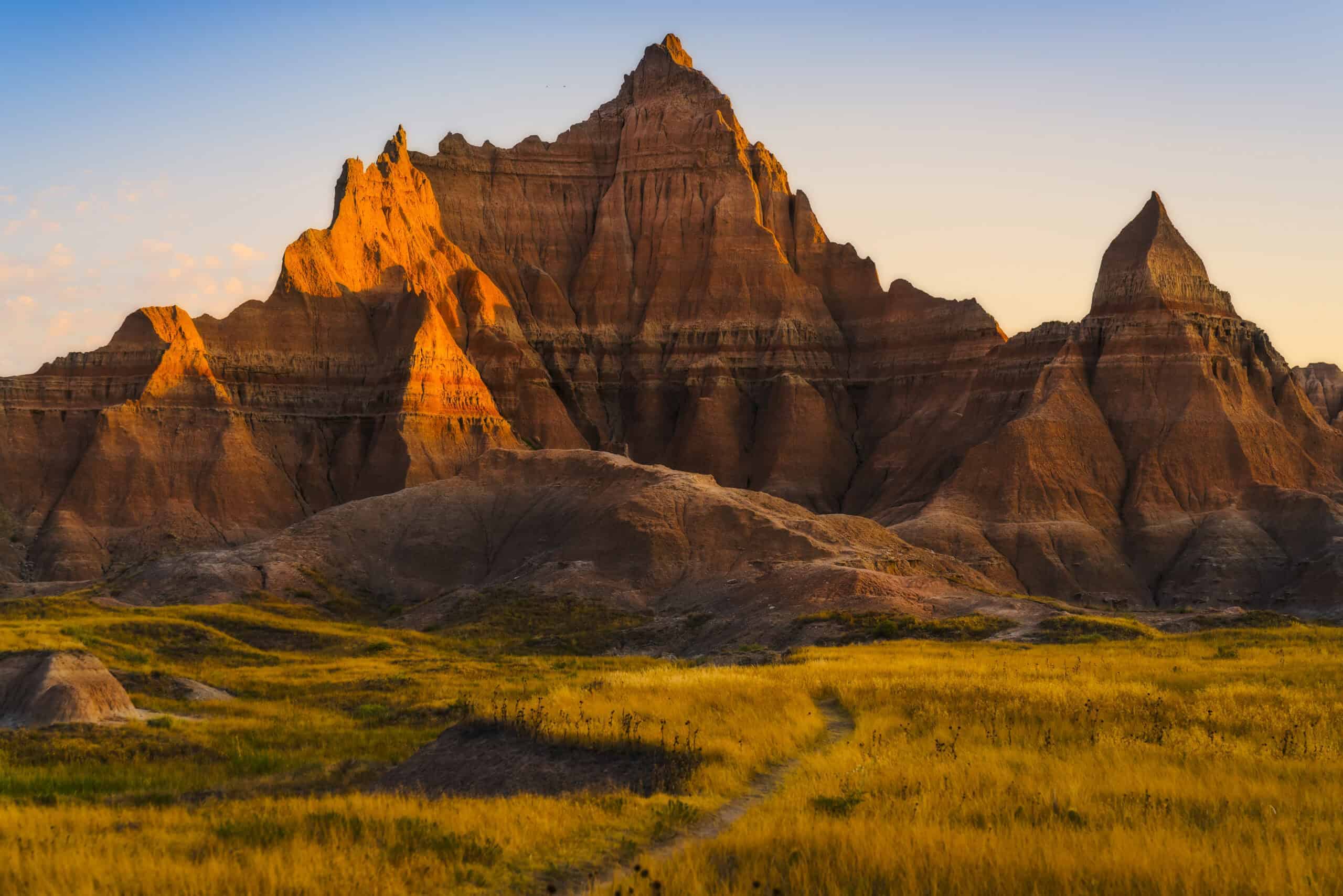
Badlands National Park in southwestern South Dakota is a captivating landscape of dramatic pinnacles, spires, and deep gorges, set against expansive grasslands. Spanning over 240,000 acres, the park showcases striking eroded buttes and layered rock formations that reveal a rich geological history, including fossils from the Oligocene Epoch.
Home to diverse wildlife and significant cultural heritage, the park offers visitors scenic drives, hiking trails, and a chance to explore the dramatic terrain. Its rugged beauty and historical significance make Badlands National Park an iconic natural wonder in the USA.
Yellowstone National Park’s Grand Prismatic Spring (Wyoming)
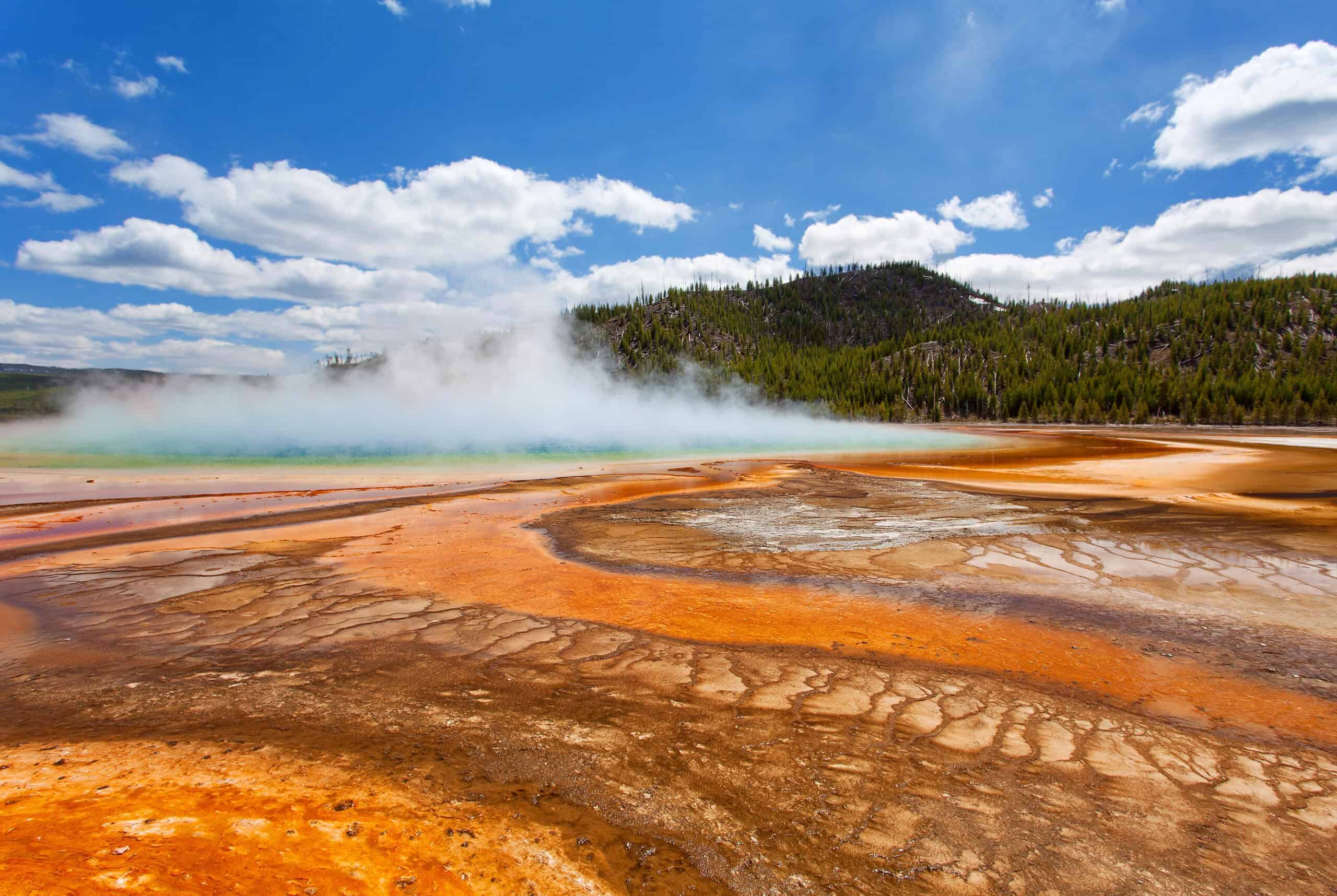
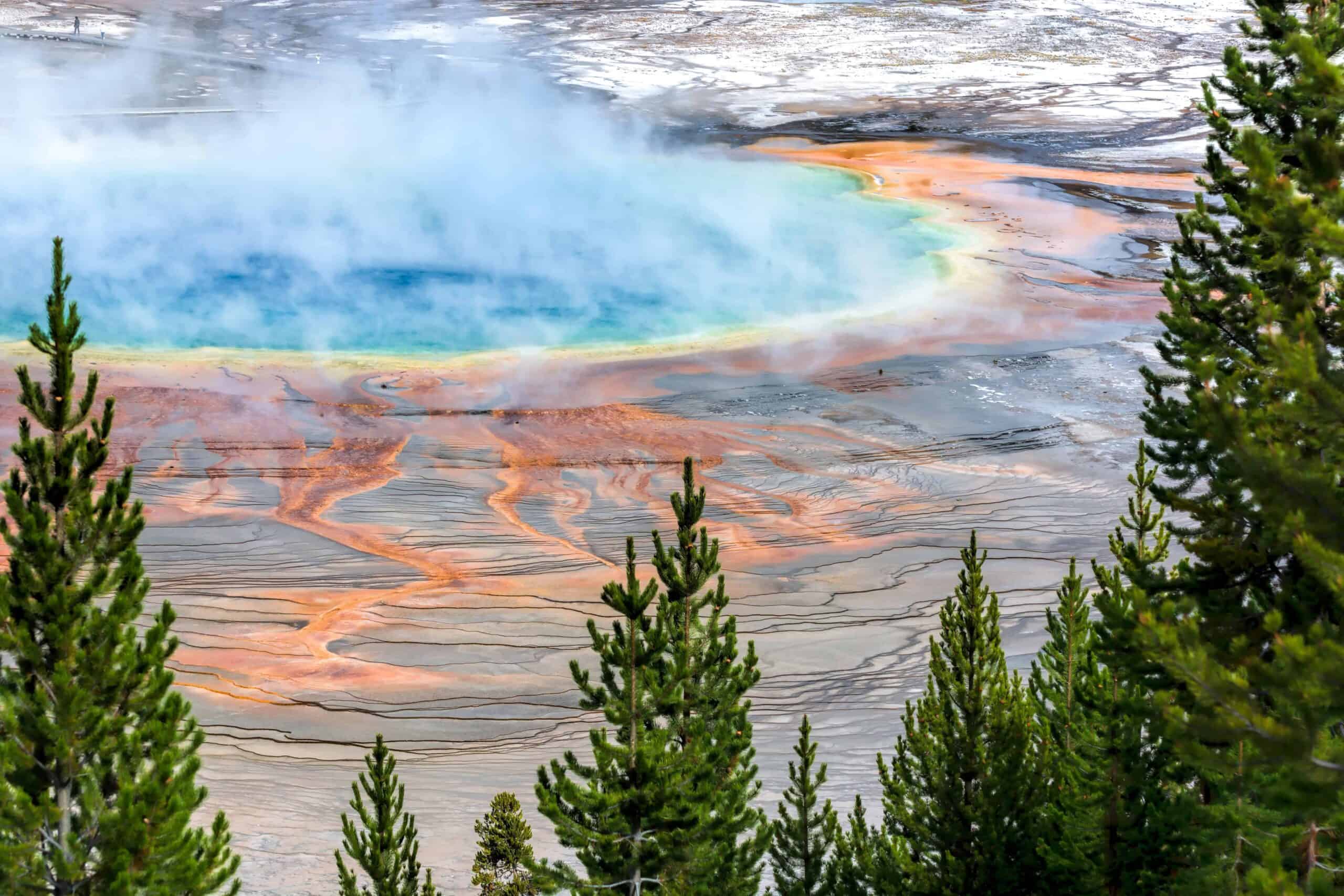
Yellowstone National Park’s Grand Prismatic Spring in Wyoming is a must-see when it comes to seeing one of the most iconic natural wonders in the county. The largest hot spring in the country, it dazzles with vibrant colors thanks to thermophilic bacteria.
This natural spectacle is just one of over 10,000 geothermal features in Yellowstone, the world’s first national park. Spanning Wyoming, Montana, and Idaho, Yellowstone offers a stunning array of wildlife and breathtaking landscapes, making it an iconic destination.
Hoh Rainforest (Washington)
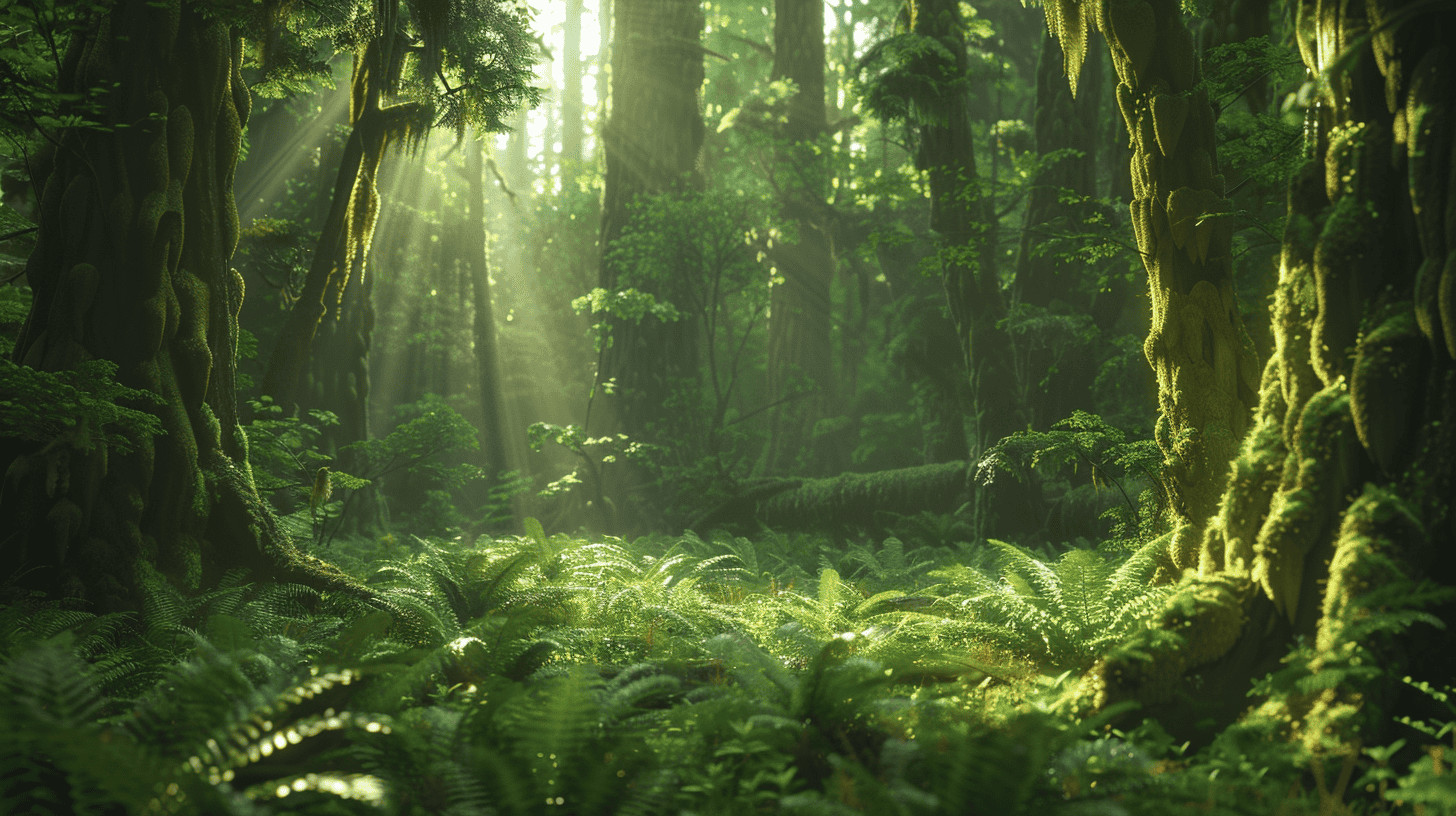
The Hoh Rainforest, located in Washington’s Olympic National Park, is one of the finest examples of a temperate rainforest in the world. This lush forest receives an average of 140 inches of rainfall each year, creating a vibrant environment filled with towering Sitka spruce and western hemlock trees that can reach over 300 feet in height.
The forest floor is draped in thick mosses and ferns, giving the landscape a mystical, otherworldly appearance. Visitors can explore this verdant wonder through trails like the Hall of Mosses and Spruce Nature Trail, which offer a glimpse into the rich biodiversity and serene atmosphere of the rainforest.
Nā Pali Coast (Hawaii)
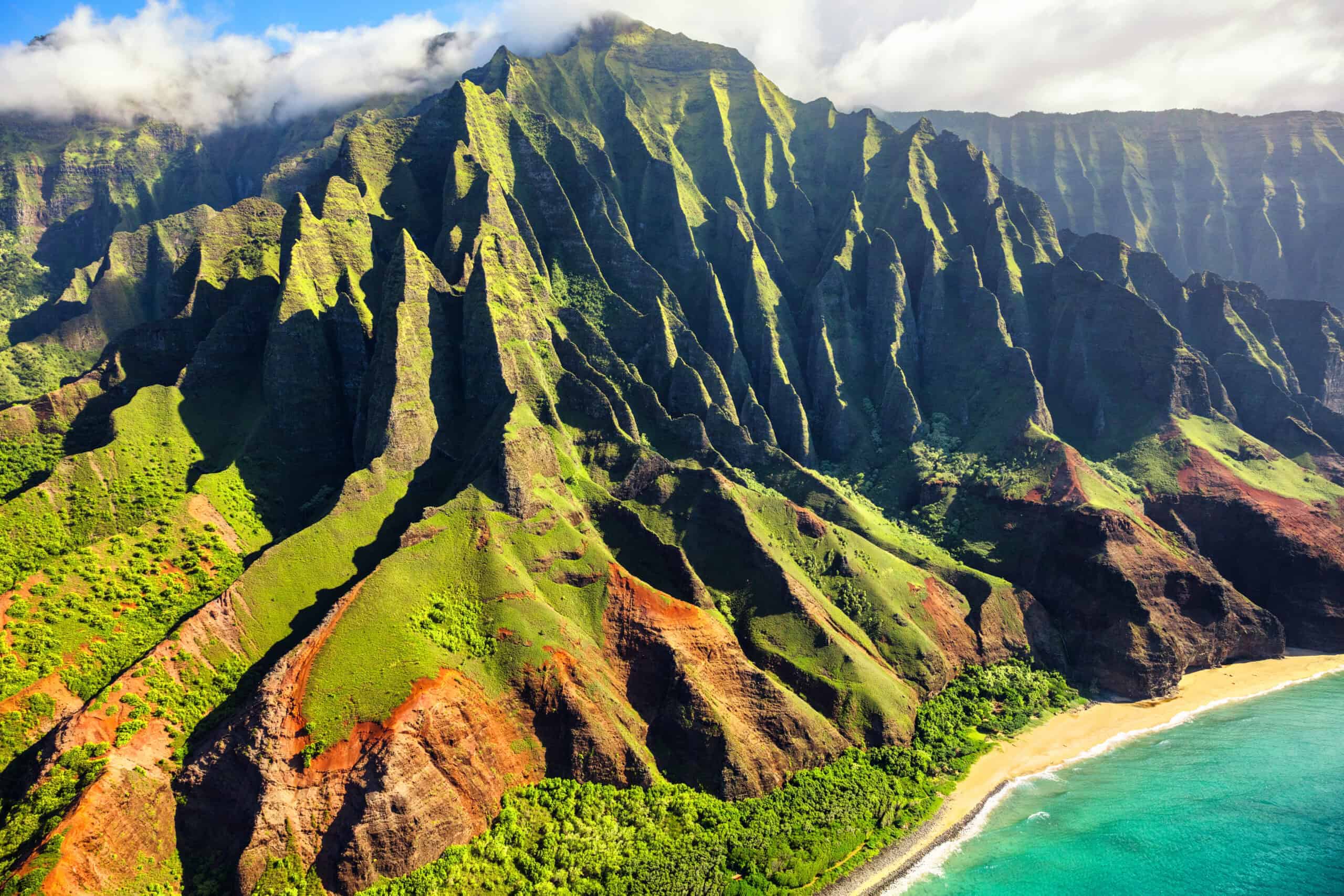
The Nā Pali Coast on the northwestern shore of Kauai is one of the most astonishing natural wonders in the USA, known for its dramatic cliffs, lush valleys, and pristine beaches. This 17-mile stretch features cliffs rising to 4,000 feet above the Pacific Ocean, interspersed with narrow valleys, waterfalls, and sea caves.
Formed by volcanic activity and erosion, the coastline’s rugged terrain preserves its untouched beauty, accessible via the challenging Kalalau Trail, boat tours, or helicopter rides. Rich in geological and cultural history, the Nā Pali Coast offers a breathtaking and isolated adventure for nature enthusiasts.
White Sands National Park (New Mexico)
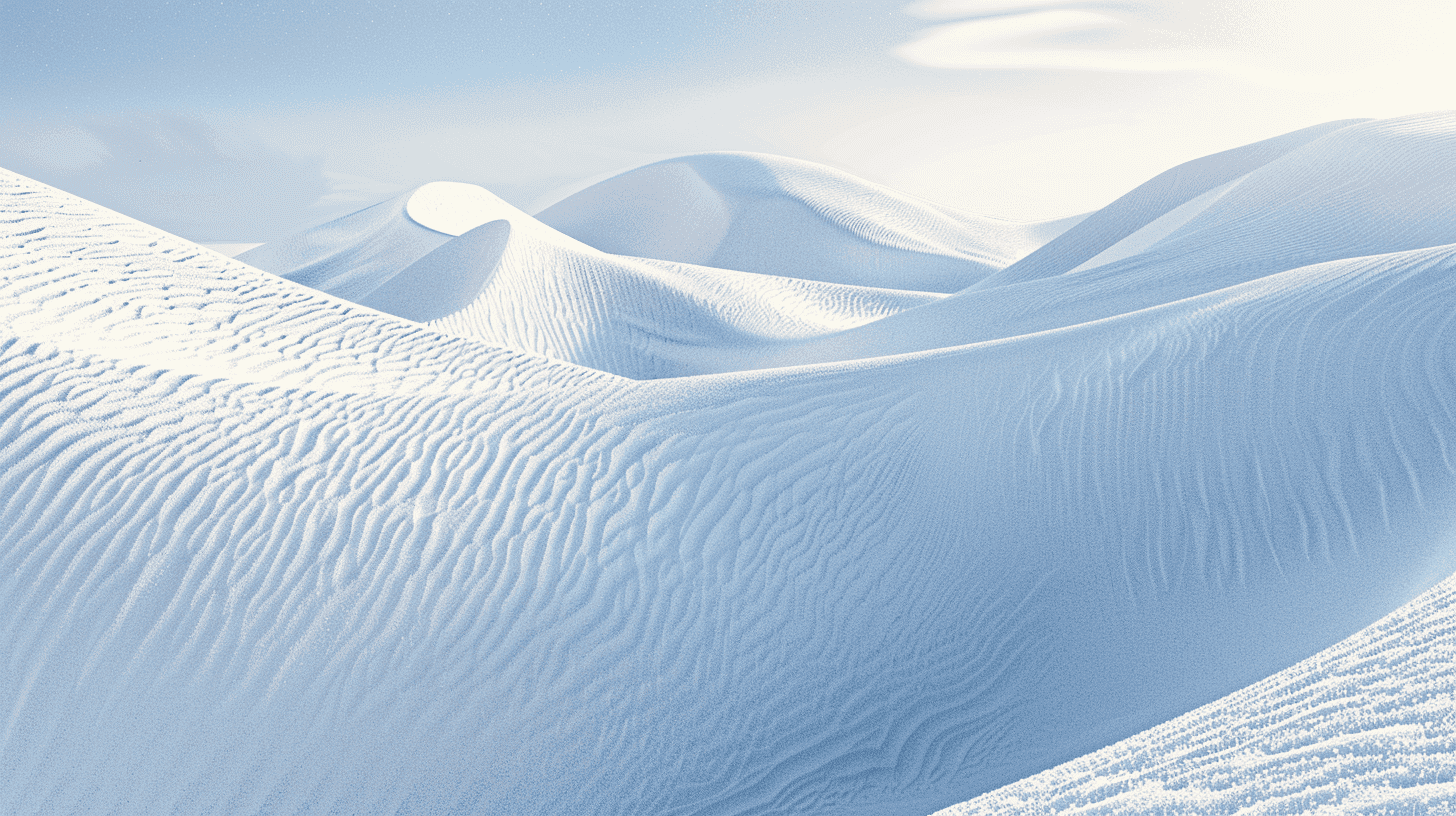
White Sands National Park in southern New Mexico features the largest gypsum dune field in the world, spanning 275 square miles of dazzling white sand. Formed from gypsum particles eroded from nearby mountains and carried into the Tularosa Basin, these ever-shifting dunes create a surreal and captivating landscape.
Visitors can enjoy activities like hiking, sand sledding, and scenic drives while marveling at the stark contrast between the white dunes and the blue sky. The park is also home to unique flora and fauna adapted to the harsh desert environment, making it a must-visit natural wonder in the USA.
Bryce Canyon’s Hoodoos (Utah)
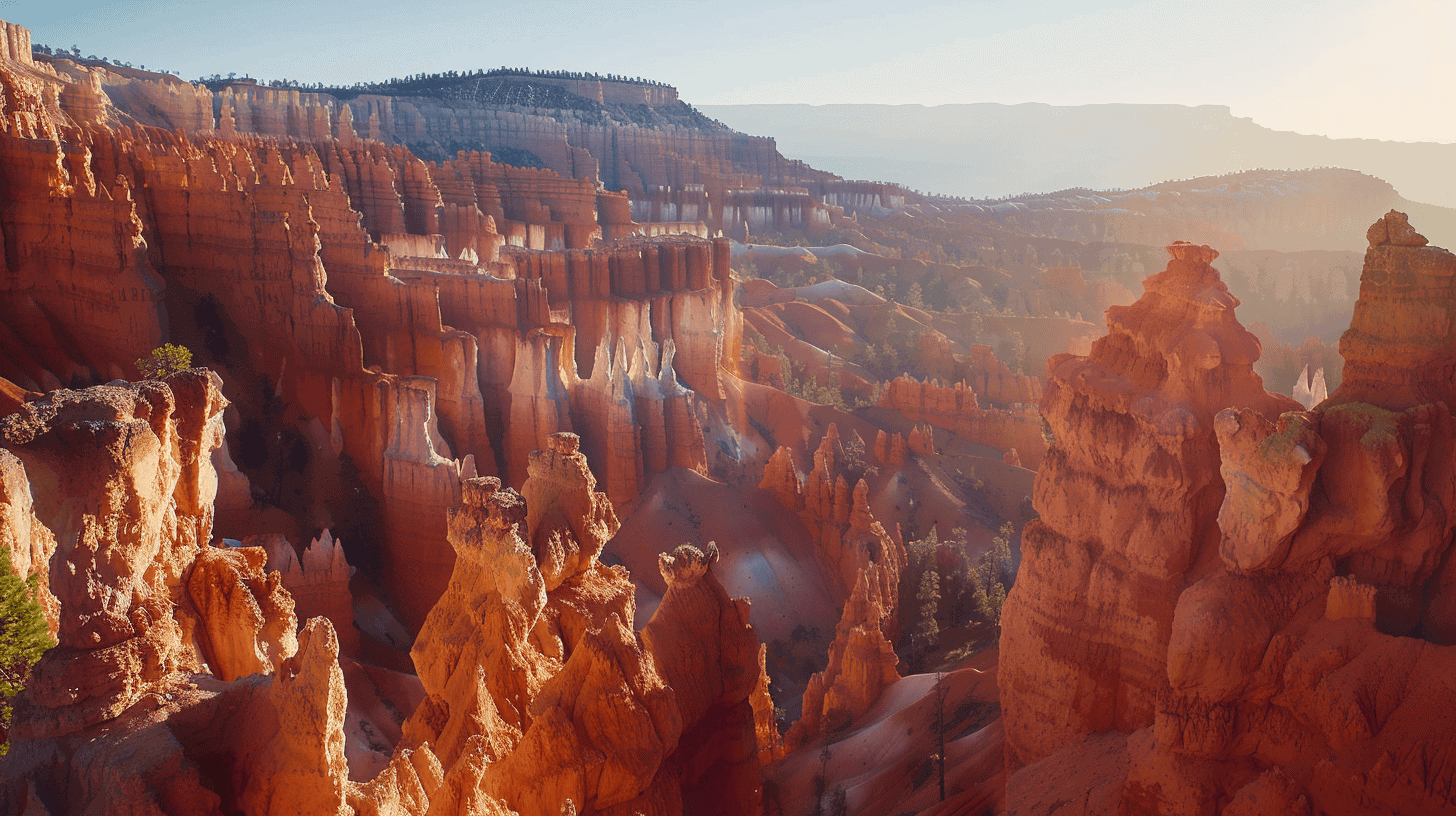
Bryce Canyon National Park in southern Utah is famous for its remarkable geological formations called hoodoos—towering rock spires shaped by millions of years of erosion. These vibrant red, orange, and white structures, found in the park’s iconic Bryce Amphitheater, create an otherworldly landscape that captivates visitors with its beauty and complexity.
Formed through sedimentation and erosion, the hoodoos stand as a testament to the forces of nature. The park offers hiking, photography, and stargazing opportunities, making Bryce Canyon a must-visit destination for nature enthusiasts and travelers seeking extraordinary landscapes.
Mount Rainier (Washington)
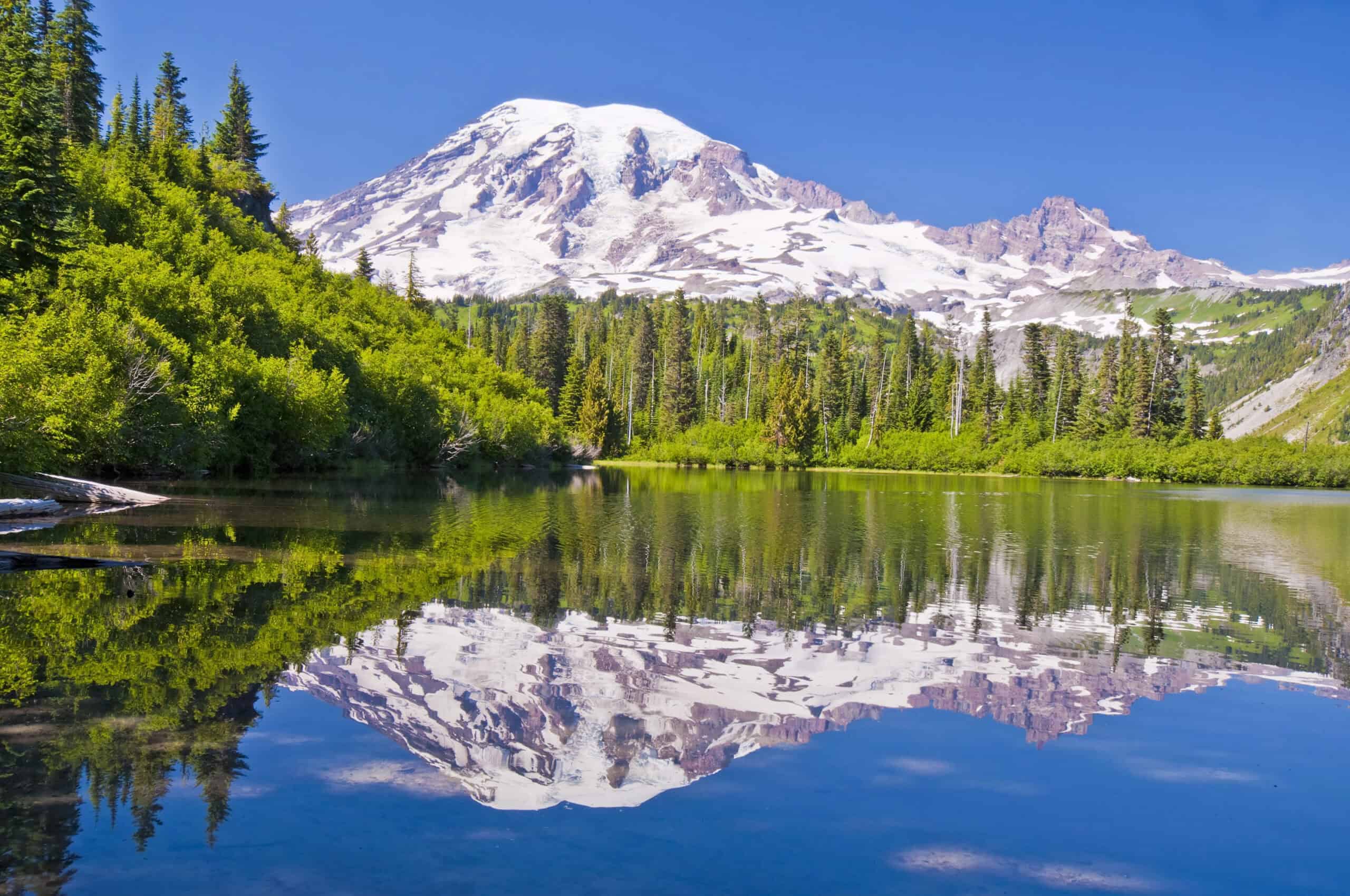
Mount Rainier, the highest peak in the Cascade Range at 14,411 feet, is an iconic natural wonder located in Washington state. Surrounded by Mount Rainier National Park, this majestic stratovolcano features impressive glaciers, lush subalpine meadows, and diverse ecosystems, making it a haven for outdoor enthusiasts.
Known as Tahoma to indigenous peoples and visible from Seattle, the mountain is encircled by 26 major glaciers, feeding rivers and waterfalls that enrich the verdant environment. With activities like hiking the Wonderland Trail, camping, and mountaineering, Mount Rainier offers an unforgettable experience of the Pacific Northwest’s wonderful natural beauty.
Acadia National Park’s Thunder Hole (Maine)
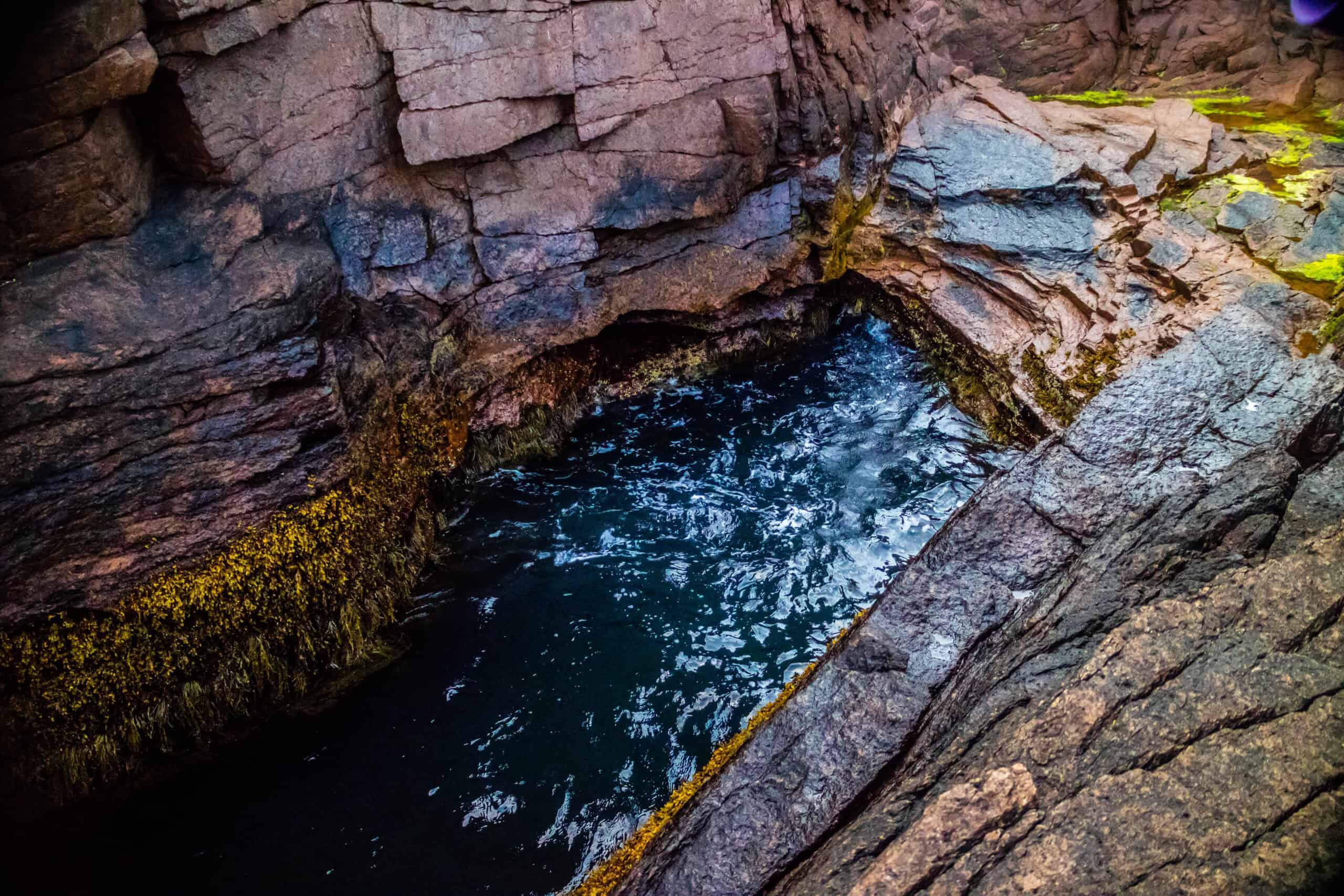
Thunder Hole in Acadia National Park, Maine, is an awe-inspiring natural feature where waves crashing into a narrow inlet produce a booming sound and a dramatic spray of water. Best experienced about two hours before high tide, the phenomenon can create water splashes up to 40 feet high.
Accessible via the Park Loop Road, Thunder Hole offers visitors an up-close look at the ocean’s raw power within the stunning landscape of Acadia, known for its rocky coastlines, dense forests, and scenic vistas. This captivating site, along with Acadia’s diverse ecosystems and recreational opportunities, makes Thunder Hole a must-see natural wonder