
30. Times Square, New York City
Times Square pulses with neon energy and crowds that never seem to thin out. Visitors can catch Broadway shows, grab photos with costumed characters, and experience the city’s most famous intersection.

The Caribbean for Less Than You Think
Up to 65% off + a resort credit + a free night at select Sandals resorts. 8 islands. 17 resorts. All-inclusive everything. See the deals →
Top Activities:
- Broadway theater district
- Street performers and entertainers
- Shopping at massive flagship stores
- Restaurants and dining options
The area transforms completely from day to night — daylight reveals the bustling commercial hub, while evening brings the full spectacle of illuminated billboards.
29. Las Vegas Strip
The Strip transformed dramatically from the 1970s to today. Back then, visitors found mob-run establishments with affordable dining and intimate lounges where legends like Frank Sinatra performed.
Today’s Strip features massive corporate resorts with premium pricing and theatrical productions replacing the classic entertainment venues that once defined Vegas nightlife.
28. South Beach, Miami
South Beach transformed from a quiet retirement haven into one of America’s most glamorous destinations. The colorful Art Deco buildings that once housed elderly residents now command premium prices in today’s celebrity-filled playground.
Then vs. Now:
- 1970s: Retirees, shuffleboard courts, affordable living
- Today: Luxury hotels, exclusive nightclubs, million-dollar condos
The neighborhood’s pastel-colored architecture remained while everything else changed. Where seniors once gathered for afternoon games, visitors now find high-end restaurants and trendy beach clubs. The same buildings that nobody wanted decades ago are now architectural treasures worth fortunes.
27. Provincetown, Massachusetts
This vibrant Cape Cod town draws visitors with its rich artistic heritage and LGBTQ-friendly atmosphere. Commercial Street pulses with galleries, shops, and restaurants, while the iconic Pilgrim Monument offers stunning harbor views.
Travelers can enjoy whale watching adventures and pristine beaches during summer months. The town transforms into a quieter retreat during off-season, though accommodation prices remain premium year-round in this former fishing village turned luxury destination.
26. Key West, Florida
Key West transformed from a freewheeling seaport town in the 1970s filled with treasure hunters and writers into today’s bustling cruise destination. The island once attracted Baby Boomers seeking an artistic refuge during the wild times of the ’70s and ’80s.
Modern visitors find a different energy — cruise ships dock regularly while bachelorette parties roam Duval Street’s packed bars. The laid-back fishing village vibe has shifted toward high-energy tourism, though traces of the old Key West still emerge in quiet corners and local hangouts away from the main strip.
Then vs. Now:
- 1970s: Pot smugglers, fishing guides, literary escapes
- Today: Cruise passengers, party groups, souvenir shops
The transformation reflects broader changes in American travel — what once drew counterculture seekers now attracts mainstream tourists looking for tropical fun and Instagram-worthy sunsets at Mallory Square.
25. Aspen, Colorado
The 1970s Aspen scene was a fascinating mix of ski bums and counterculture enthusiasts living affordably in mountain lodges. Back then, locals actually ran the town and could afford to call it home, creating authentic community vibes that defined the era.
Today’s Aspen tells a completely different story. The transformation has been so dramatic that former residents can barely afford to visit, let alone live there. What was once described as “Mayberry in the mountains” has evolved into an exclusive playground where entry-level properties command millions.
Then vs. Now:
- 1970s: Ski bums and hippies coexisting
- Today: Billionaires and luxury brands dominating
- Housing: From affordable lodges to $5+ million teardowns
- Culture: From grassroots community to high-end retail
The environmental activism and community spirit that once defined Aspen has largely given way to designer boutiques and exclusive resorts. While the skiing remains world-class, the soul of the town has fundamentally shifted toward wealth and exclusivity.
24. Williamsburg, Brooklyn
Williamsburg transformed from a working-class neighborhood into Brooklyn’s hipster capital. The area attracts young professionals with trendy cafes, artisanal shops, and converted warehouse apartments. Visitors find expensive cocktail bars alongside traditional delis. Artists began settling here in the 1990s, creating today’s cultural scene.
23. Austin, Texas
The 1970s transformed Austin from a sleepy college town into the music capital many know today. The decade defined modern Austin’s character through its freewheeling, youth-driven culture that formed the bedrock of the city’s progressive identity.
Musicians like Willie Nelson made Austin their home during this era, escaping the constraints of Nashville’s music industry. The city’s authentic weirdness attracted artists and creative types who valued genuine expression over commercial appeal.
Key 1970s Austin Elements:
- Live music venues flourishing downtown
- Affordable cost of living for artists
- Strong counterculture movement
- University of Texas campus influence
Modern Austin has evolved dramatically since those formative years. Tech companies and rapid growth have brought significant changes to the city’s demographic and economic landscape. The famous “Keep Austin Weird” motto, once representing grassroots creativity, has become part of the city’s official branding.
Today’s visitors can still find remnants of 1970s Austin culture at classic restaurants and venues that have survived decades of change. These establishments offer glimpses into the era when Austin’s music scene was emerging and the city maintained its small-town character despite growing cultural significance.
22. Portland, Oregon
Portland transformed from a quiet lumber town into a hipster paradise where millennials flock for artisanal everything. Visitors find $7 coffee, gourmet food carts, and quirky culture around every corner. The city embraces its performative weirdness with food trucks charging restaurant prices and enough craft breweries to make any beer lover swoon.
21. Boulder, Colorado
Boulder transformed dramatically from its 1970s roots as an affordable mountain town filled with hippies and University of Colorado students. The city attracted young people seeking an unconventional lifestyle, with its vibrant arts scene and stunning Rocky Mountain backdrop creating the perfect countercultural haven.
Today’s Boulder tells a different story entirely. Housing costs have skyrocketed, pushing out many longtime residents and their families. The city now ranks among America’s most expensive places to live, a stark contrast to its accessible past when residents could easily afford the laid-back mountain lifestyle.
20. Telluride, Colorado
Telluride transformed from a dying mining town in the 1970s where visitors could explore affordable Victorian architecture into an exclusive ski destination. Today’s travelers find billionaire-owned mansions where mining operations once employed hundreds, creating a stark contrast to its authentic mountain town origins.
19. Jackson Hole, Wyoming
Jackson Hole attracts visitors with its stunning mountain scenery and proximity to Yellowstone and Grand Teton national parks. The valley sits between the Gros Ventre and Teton mountain ranges, offering world-class skiing and outdoor adventures year-round.
Top Activities:
- Riding the famous 52-person aerial tram to Rendezvous Mountain
- Exploring the historic town square with its elk antler arches
- Wildlife viewing throughout the region
The area transforms from Old West charm to upscale resort destination, where visitors can experience both authentic Western culture and luxury amenities in one location.
18. Napa Valley, California
Napa Valley has transformed from its humble beginnings into one of America’s premier wine destinations. What started as affordable wine country has evolved into a sophisticated region where visitors can explore 30 must-visit places ranging from world-renowned wineries to scenic landscapes.
Beyond Wine Tasting
While wine remains the main draw, travelers will discover 33 exciting activities beyond wine tasting. The region offers hot air balloon rides, scenic hiking trails, and farm-to-table dining experiences that showcase California’s culinary excellence.
Planning Your Visit
- Wine experiences: Tastings now typically cost $75+ at premium wineries
- Alternative activities: 48 unforgettable experiences including hot springs and scenic drives
- Dining: Fine dining and farm-to-table cuisine throughout the valley
The valley’s 30-mile stretch combines world-class wine production with California’s natural beauty, creating an upscale destination that attracts wine enthusiasts from around the globe.
17. Malibu, California
The 1960s and 1970s transformed Malibu from a laid-back country horse town into a creative haven. Musicians like The Doors gathered at beachside homes, while surfers and bohemian artists called this coastal community home during Malibu’s hippie era.
16. The Hamptons, New York
The Hamptons transformed from humble potato farms into Manhattan’s premier summer escape. Twenty different towns and villages stretch across eastern Long Island’s pristine coastline.
Top Activities:
- Cooper’s Beach — Southampton’s pristine shoreline
- Montauk Lighthouse — New York’s oldest lighthouse from 1796
- Vineyard tours — Local wine tasting experiences
Each hamlet offers distinct personalities. Southampton attracts old-money families, while Montauk maintains its fishing village charm. Amagansett sits perfectly between upscale and laid-back.
The best Hamptons experiences include farm tours, wildlife refuges, and vintage shopping. Summer brings crowds and higher prices, but shoulder seasons offer better deals and authentic local experiences.
Million-dollar “cottages” line the beaches where middle-class families once vacationed affordably.
15. Park City, Utah
Park City transformed from a quiet mining town in the 1970s into today’s bustling resort destination. Visitors in the ’70s remember when traffic lights marked the entrance to this sleepy mountain community. The ski slopes weren’t crowded, and Victorian homes sold for surprisingly low prices.
Growth trends started with baby boomers arriving in the early 1960s. New suburbs like Thaynes and Park Meadows sprouted after Park City Mountain Resort opened in the mid-1960s.
Today’s Park City hosts the Sundance Film Festival and attracts visitors worldwide. The town’s authentic mountain character has evolved dramatically since those simpler decades when parking lot attendants knew all the local kids.
14. Savannah, Georgia
Savannah attracts baby boomers with its historic charm and stunning architecture, featuring cobblestone streets lined with massive live oaks. The city offers incredible historical sites including Bonaventure Cemetery and the Juliette Gordon Low House.
Popular attractions include:
- Historic squares with Colonial and Georgian architecture
- Riverfront district with shops and restaurants
- Museums with World War II exhibits
- Ghost tours through atmospheric neighborhoods
Data shows Savannah ranks as a top destination for baby boomer relocations, making it the only Georgia city in the top 20. Visitors can explore lesser-known treasures beyond the typical tourist spots for a more intimate experience.
The city combines Southern hospitality with diverse activities and exceptional food. Many travelers pair Savannah visits with nearby Beaufort, South Carolina for extended Southern charm adventures.
13. Charleston, South Carolina
Charleston transforms visitors with its cobblestone streets and antebellum architecture, though the city has evolved from a quiet port into a bustling tourist destination. The Charleston Downtown Historic District offers 23 unique spots to explore, while King Street now bustles with shops and restaurants. Travelers find enriching activities ranging from historic house tours to culinary experiences.
Key Attractions:
- Historic plantation tours and museums
- Carriage rides through the French Quarter
- Rainbow Row’s colorful Georgian houses
- Fort Sumter boat excursions
The city’s subtropical climate brings hot, humid summers and mild winters — perfect for year-round exploration. Visitors should expect crowds, especially during peak season when bachelorette groups and tourists fill the historic streets. Despite the commercialization, Charleston’s Southern charm still shines through its hospitality and incredible food scene.
12. Santa Fe, New Mexico
Santa Fe draws visitors with its rich history, art, and culture, featuring stunning adobe architecture and vibrant creative scenes. The city offers 320+ days of sunshine, award-winning cuisine, and 250 galleries alongside world-class museums like the Georgia O’Keeffe Museum and the innovative Meow Wolf experience.
Top Attractions:
- Adobe buildings and historic downtown
- Native American and Hispanic cultural sites
- Mountain hiking trails and outdoor activities
- Local art galleries and immersive experiences
However, rising costs have transformed this former artist colony into an expensive destination where authentic culture competes with commercialization.
11. Sedona, Arizona
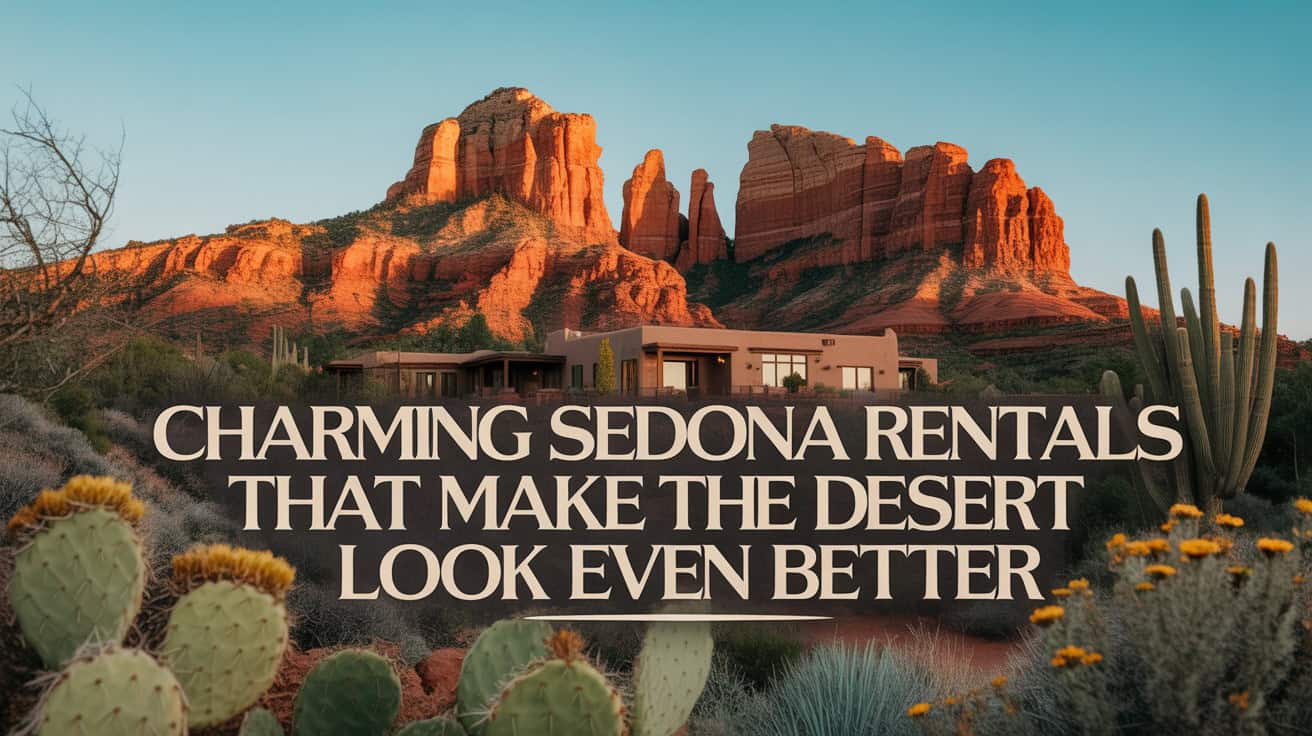
Sedona draws travelers with its stunning red rock formations and vibrant arts community. The desert town offers scenic spots like Cathedral Rock and the Chapel of the Holy Cross, plus the lively Uptown area. Visitors can explore spiritual vortex sites, though these once-hidden spots now feature designated parking areas for easier access.
10. Taos, New Mexico
Taos sits between the Rio Grande Gorge and Sangre de Cristo Mountains, about 50 miles from Colorado’s border. The town that once attracted legendary artists now draws Santa Fe’s overflow crowds.
What visitors find today:
- Art galleries with inflated prices
- Tourist-focused shops and restaurants
- Crowded plazas during peak season
- Higher costs than the artist colony days
The Harwood Museum showcases Northern New Mexico art from the 1800s forward, including works by Agnes Martin. Admission costs under $10 with student discounts available.
Modern travelers discover over 100 activities ranging from outdoor adventures to cultural experiences. The high desert location offers hiking, shopping, and dining options year-round.
Accommodation options include:
- Historic adobe-style bed and breakfasts
- Budget-friendly motels
- Mid-range hotels with Southwestern decor
The transformation from affordable artist haven to tourist destination means higher prices but maintained cultural attractions.
9. Big Sur, California
Big Sur stretches 90 miles along California’s rugged coastline, where dramatic cliffs meet crashing Pacific waves. Visitors find themselves navigating crowded highways and popular viewpoints, but the spectacular coastal views and hiking trails remain unforgettable.
Popular Activities:
- Hiking to waterfalls and redwood groves
- Photography at iconic bridges and overlooks
- Beach exploration along hidden coves
- Camping (though sites now cost significantly more than decades past)
The coastline attracts millions of travelers seeking that perfect Instagram shot, creating busy conditions especially during peak seasons. Smart visitors plan for crowds and consider visiting lesser-known spots like San Carpoforo Creek Beach for a quieter experience.
8. Marfa, Texas
This remote West Texas desert town has transformed from a quiet railroad stop into an unlikely art destination. Fewer than 2,000 residents call Marfa home, yet visitors flock here for world-class art installations and boutique accommodations that command premium prices in an otherwise affordable region.
7. Woodstock, New York
The charming town of Woodstock sits nestled in New York’s mountains, where creativity flourished during the late 60s and early 70s. Today, visitors can browse quirky shops selling everything from quilted furniture to oversized eyewear, including playful takes on smiley logos with “NY” for eyes and “Woodstock” forming the smile.
Many tourists don’t realize the famous festival actually happened in Bethel — 60 miles away from this artistic community that continues attracting creative souls.
6. Cape Cod, Massachusetts
Cape Cod has transformed dramatically from its earlier days as an affordable summer destination. Sandy beaches, charming villages, and iconic lighthouses still define this Massachusetts peninsula, but the economic landscape tells a different story.
What visitors experience today:
- 15 towns across the cape with Barnstable as the largest
- 220,000 year-round residents that swells dramatically in summer
- Famous lighthouses and whale watching opportunities
- Spectacular beaches and maritime history
The cape’s housing market has shifted significantly. Many properties now serve as second homes for wealthy Boston residents, sitting vacant most of the year. Meanwhile, service industry workers face long commutes because local housing costs have become prohibitive.
Travelers can still enjoy parasailing over Cape Cod Bay and exploring quaint villages with stunning coastal views. The peninsula extends into the Atlantic Ocean, offering boat tours and local eateries that showcase New England’s coastal charm.
Best time to visit: Summer months remain peak season, though travelers find fewer crowds and better deals during shoulder seasons.
5. Martha’s Vineyard, Massachusetts
Martha’s Vineyard attracts visitors with its six distinct towns and stunning Aquinnah Cliffs. The island offers everything from historic lighthouses to golden beaches, though accommodations start around $300 per night.
Top Activities:
- Explore Oak Bluffs’ colorful gingerbread cottages
- Visit the Martha’s Vineyard Camp Meeting Association
- Relax on pristine beaches in Edgartown
- Browse local farms and cultural sites
Budget travelers can find hostel beds from $50 in West Tisbury. The ferry ride builds anticipation for this accessible yet set-apart island that blends historic charm with coastal luxury.
4. Nantucket, Massachusetts
Nantucket transformed from an affordable whaling community into America’s most expensive zip code. The island’s cobblestone streets and historic charm now attract wealthy visitors rather than the working families who once called it home.
What’s Changed:
- Housing costs pushed out longtime residents
- Maritime culture replaced by luxury tourism
- Authentic island life priced beyond reach
Visitors can still explore the Whaling Museum and historic lighthouses, but the island’s character reflects its new reality as a premium destination.
3. Vermont (Entire State)
Vermont transformed from a 1970s hippie haven where communes dotted the landscape to today’s expensive remote work destination. Those aging hippies who moved to Vermont during the counterculture movement found affordable rural living, but modern visitors face steep housing costs that price out longtime farming families.
2. Brooklyn, New York
Brooklyn transformed from an affordable working-class borough into one of New York’s most expensive areas. Many neighborhoods now command higher rents than Manhattan, with studios reaching $4,000 monthly. The borough’s gritty 1970s character has evolved into a polished destination where authentic culture often feels manufactured for newcomers with deep pockets.
1. San Francisco, California
San Francisco draws baby boomers with its iconic landmarks and cultural history, though the city has transformed dramatically since their youth. The Golden Gate Bridge and Alcatraz Island remain timeless attractions that appeal to visitors seeking classic American experiences.
1970s San Francisco was beautiful, flamboyant and alive, featuring hippies, bohemians, and street performers who shaped the city’s creative identity. The Haight-Ashbury district became synonymous with the counterculture movement, while neighborhoods like the Mission developed vibrant artistic communities.
Today’s visitors find a different San Francisco — one where tech companies have reshaped the urban landscape. Many longtime residents have relocated to more affordable areas, fundamentally changing the city’s character. The neighborhoods that once housed struggling artists now command premium prices.
Despite these changes, San Francisco offers compelling attractions for travelers:
- Fisherman’s Wharf with its seafood restaurants and street performers
- Chinatown featuring authentic cuisine and cultural experiences
- Lombard Street known as the world’s most crooked street
- Golden Gate Park spanning over 1,000 acres
The city’s cable cars provide both transportation and entertainment, while Nob Hill offers spectacular views of the bay. Baby boomers particularly appreciate San Francisco’s walkable neighborhoods and diverse dining scene, though they’ll find prices significantly higher than during their earlier visits.
Many travelers use San Francisco as a base for exploring Napa Valley wineries or taking day trips along the scenic Pacific Coast Highway.