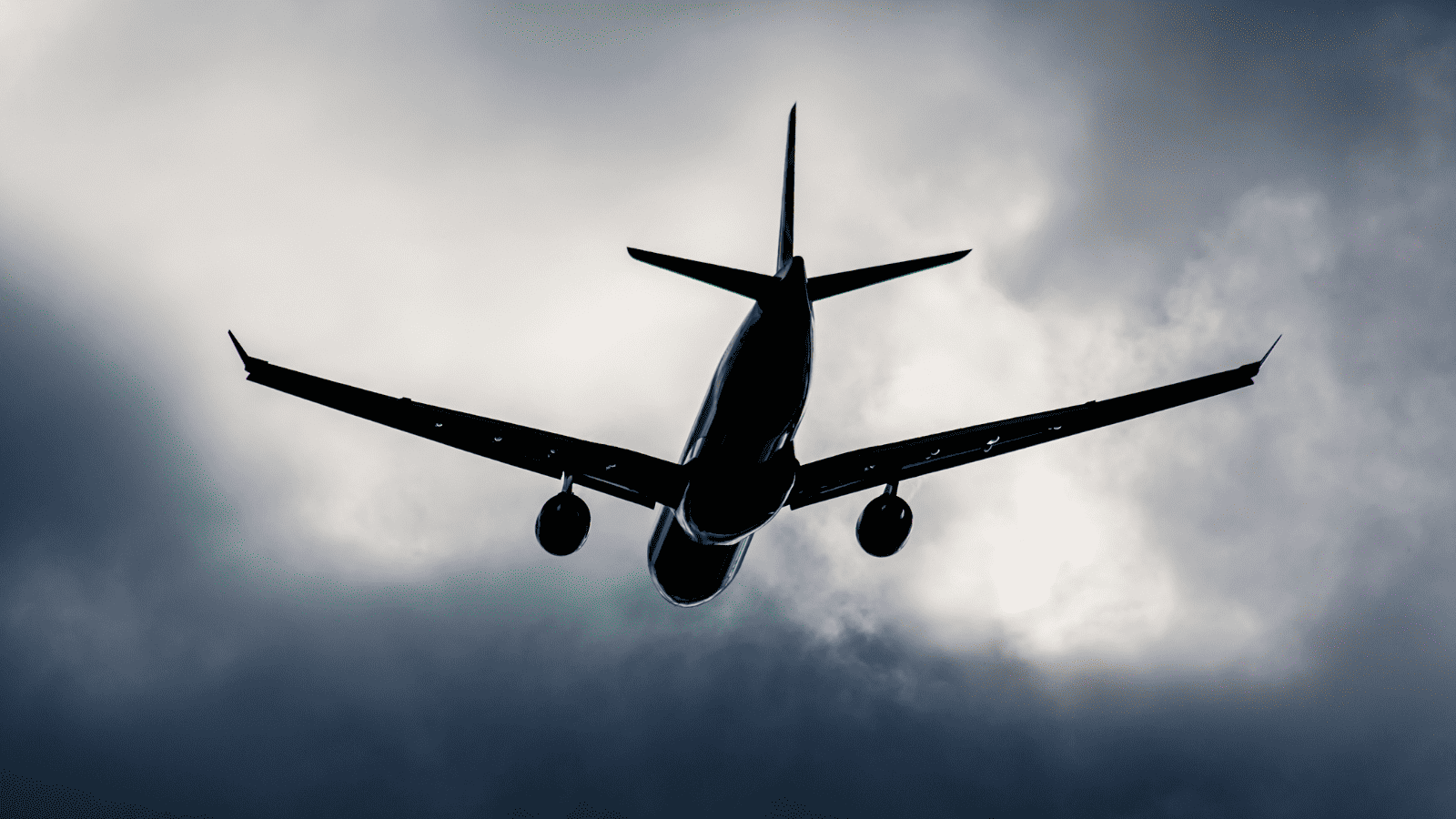
Finding your flights a little more bumpy than usual? Turns out climate change is to blame.

The Caribbean for Less Than You Think
Up to 65% off + a resort credit + a free night at select Sandals resorts. 8 islands. 17 resorts. All-inclusive everything. See the deals →
Many experts have always assumed that warmer air would trigger changes in the jet stream and cause increased turbulence. But now there is concrete evidence this is actually happening.
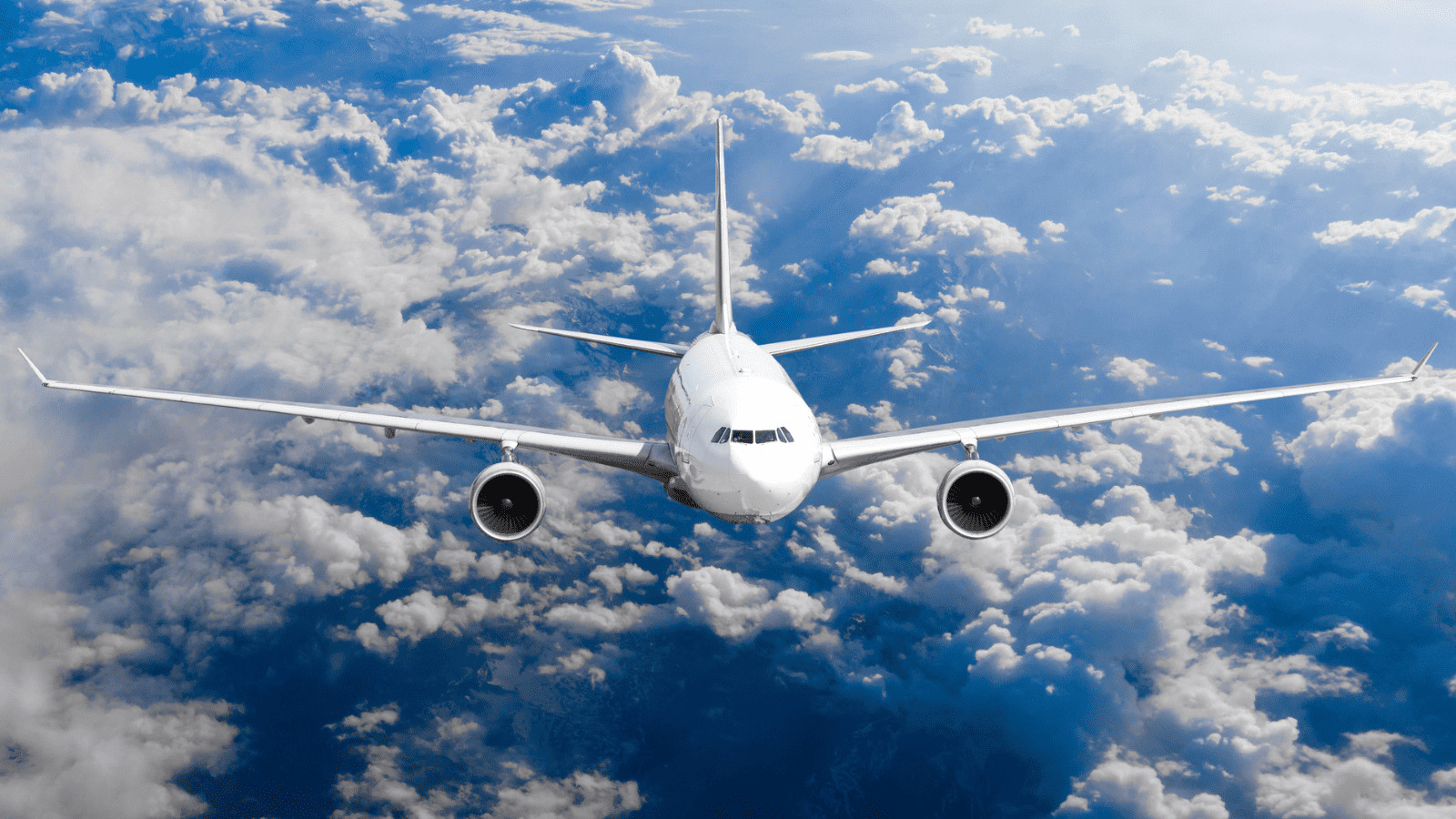
A study conducted by the University of Reading in the UK has discovered that turbulence has increased significantly over the last four decades, all over the globe.
In the North Atlantic, home to some of the busiest flight routes, the total annual duration of severe turbulence has increased by 55% from 1979 to 2020.
According to the study, the jump in turbulence is due to changes to the jet stream. Warmer air temperatures from higher carbon dioxide concentrations are driving stronger wind shear – vertical or horizontal changes in wind speed or direction or both over a short distance.
It’s not just the continental US seeing big rises in bumpy journeys; flights across the Middle East, Europe, and the South Atlantic are seeing more turbulence.
New research at Reading shows air turbulence is increasing as the climate is warming across the world.
Experts say airlines must consider how to manage this change and avoid the potentially dangerous and costly effects.
📰: https://t.co/evYUZqYDWt
📈: https://t.co/JYprGD4Q2e pic.twitter.com/TTnkLyL2YX— Uni of Reading (@UniofReading) June 8, 2023
These increases are rising more than climate models expected for our current level of global warming. This means that as the climate crisis continues to build up steam, we should expect far less comfortable flights. In the coming years, both passengers and flight attendants may have to spend longer strapped in during flights to avoid injury.
This isn’t just an issue for passengers, too. Airlines will likely see far higher wear and tear costs to their planes, and higher fuel outgoings due to pilots having to divert around turbulence-prone areas. Thankfully, fatalities on commercial aircrafts from turbulence are more or less non-existent.