
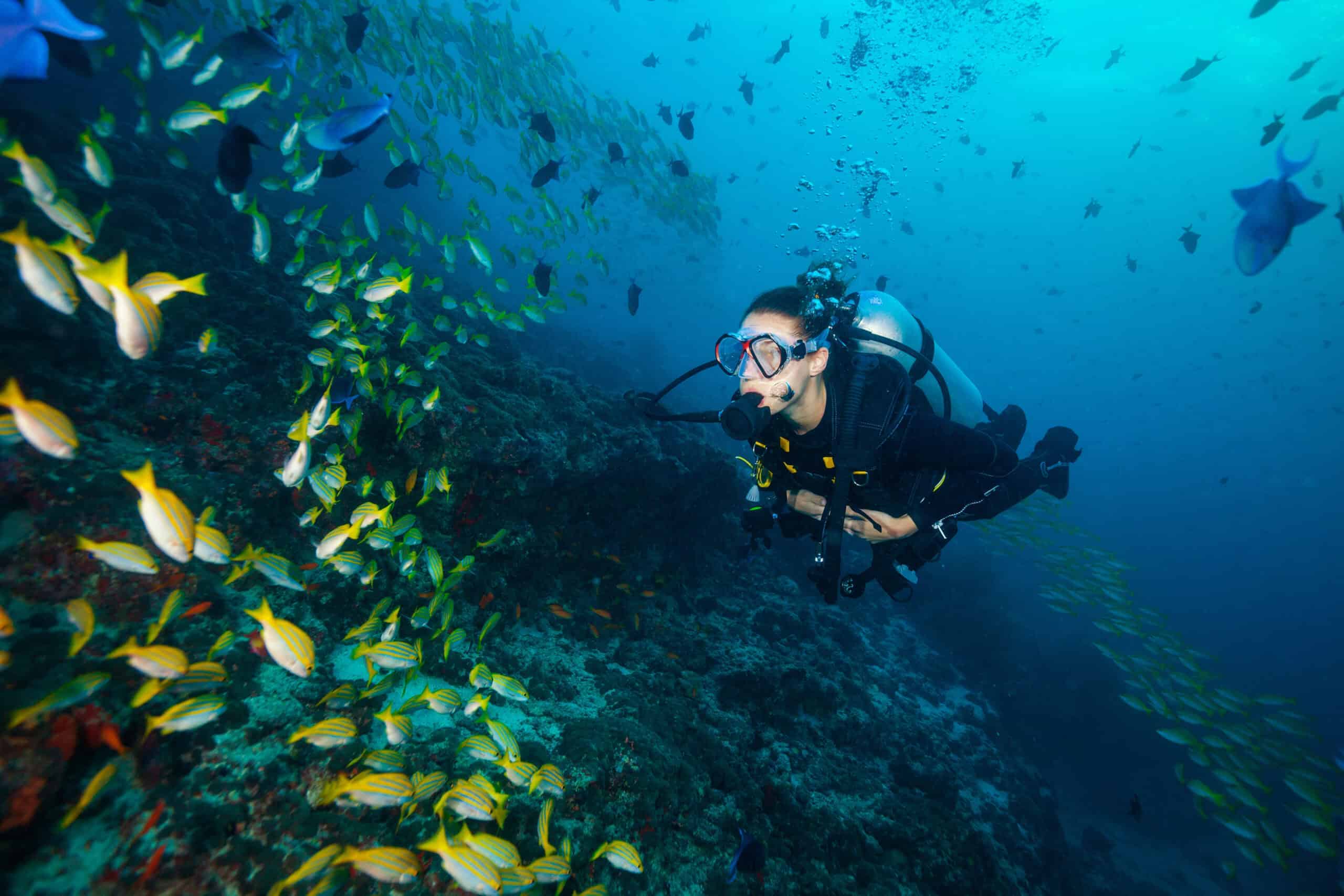
Ready to dive into a world of vibrant colors and underwater wonders? From the crystal-clear waters of the Caribbean to the remote reefs of the Pacific, we’ve rounded up the most colorful coral reefs that will take your breath away.

The Caribbean for Less Than You Think
Up to 65% off + a resort credit + a free night at select Sandals resorts. 8 islands. 17 resorts. All-inclusive everything. See the deals →
Whether you’re a seasoned diver or a curious snorkeler, these underwater paradises are must-visit spots that promise unforgettable aquatic adventures. Grab your gear and let’s explore these stunning coral reefs together!
Great Barrier Reef, Australia
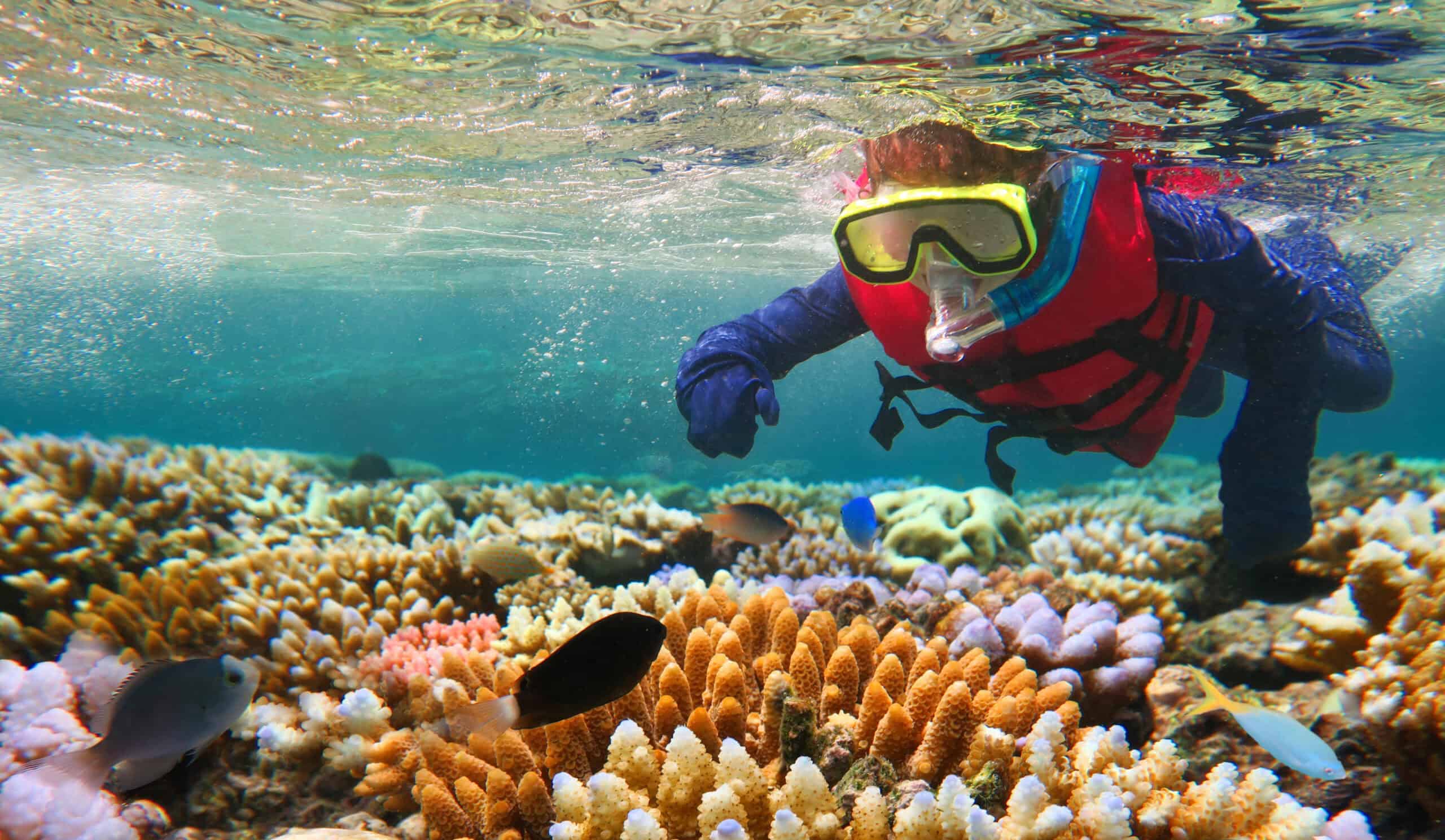
The Great Barrier Reef, located off the northeast coast of Australia, is the world’s largest coral reef system, stretching over 2,300 kilometers (1,430 miles). Renowned for its breathtaking array of colorful corals and diverse marine life, it’s a premier destination for snorkeling and diving enthusiasts.
With over 1,500 species of fish and 411 types of hard coral, the reef offers a dazzling underwater mosaic of coral gardens, caves, and canyons. Iconic dive sites like the Cod Hole and the SS Yongala wreck provide unforgettable underwater experiences, making the Great Barrier Reef a must-visit for any marine adventurer.
Palancar Reef, Cozumel, Mexico
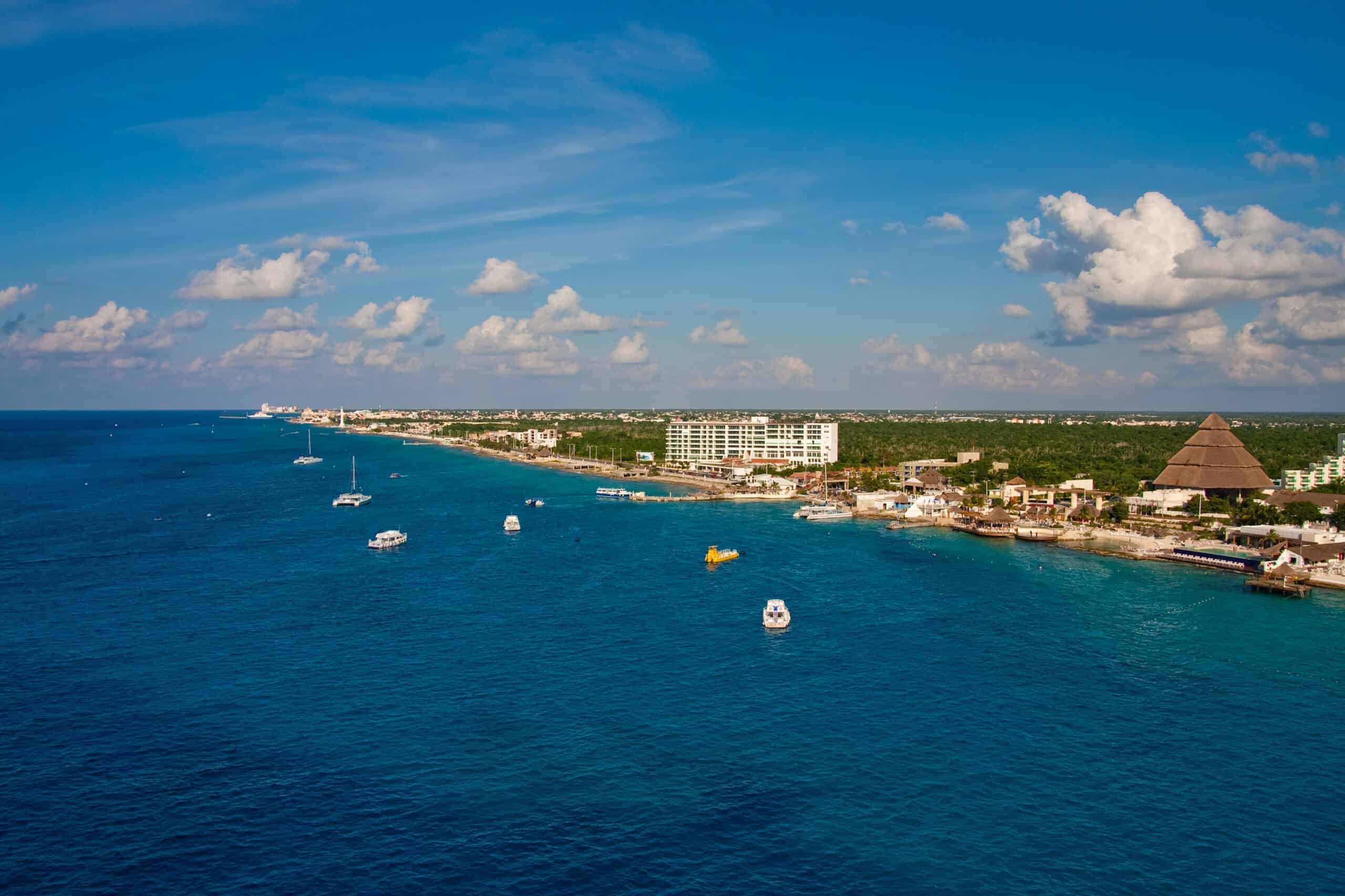
Palancar Reef, located off the southwest coast of Cozumel, Mexico, is a diver’s paradise known for its spectacular coral formations and exceptional visibility. Part of the Mesoamerican Barrier Reef System, the second-largest coral reef system in the world, Palancar Reef is divided into sections like Palancar Gardens, Palancar Caves, and Palancar Horseshoe, each offering unique underwater landscapes.
This impressive reef is home to a diverse array of marine species, including angelfish, sea turtles, and moray eels, set against a backdrop of colorful coral heads and sponges. With clear Caribbean waters providing excellent visibility, Palancar Reef promises an unforgettable snorkeling and diving experience for adventurers of all levels.
Raja Ampat, Indonesia
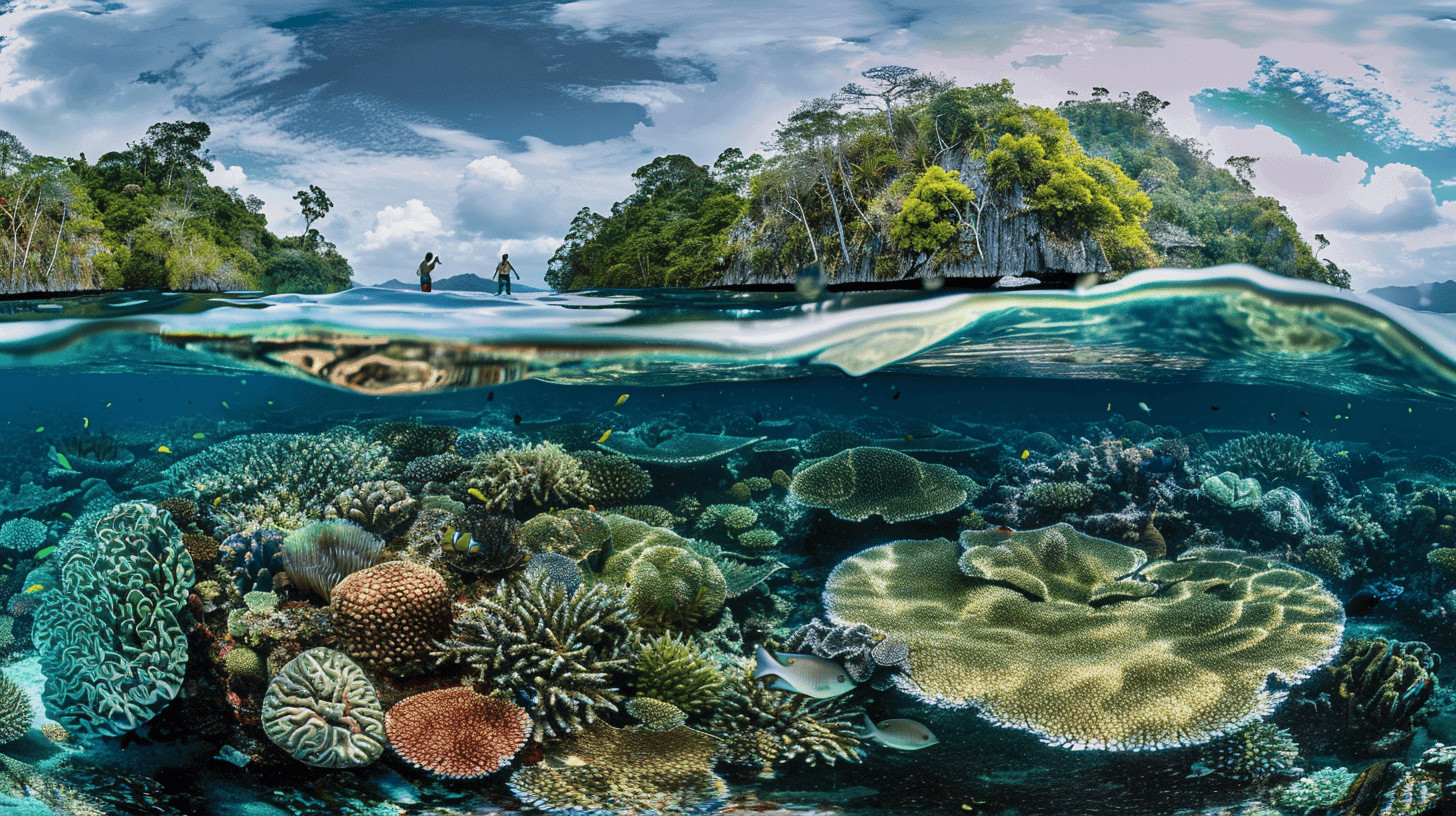
Raja Ampat, located off the northwest tip of New Guinea in Indonesia, is celebrated for its incredible marine biodiversity and gorgeous coral reefs. As part of the Coral Triangle, this archipelago, known as “Four Kings,” harbors over 75% of the world’s known coral species.
The pristine reefs of Raja Ampat are teeming with life, from tiny pygmy seahorses to majestic manta rays, set against a kaleidoscope of colorful corals and sea fans. With a multitude of dive sites ranging from gentle coral gardens to exhilarating encounters with large pelagic species, Raja Ampat offers an unparalleled snorkeling and diving experience for nature enthusiasts.
Belize Barrier Reef, Belize
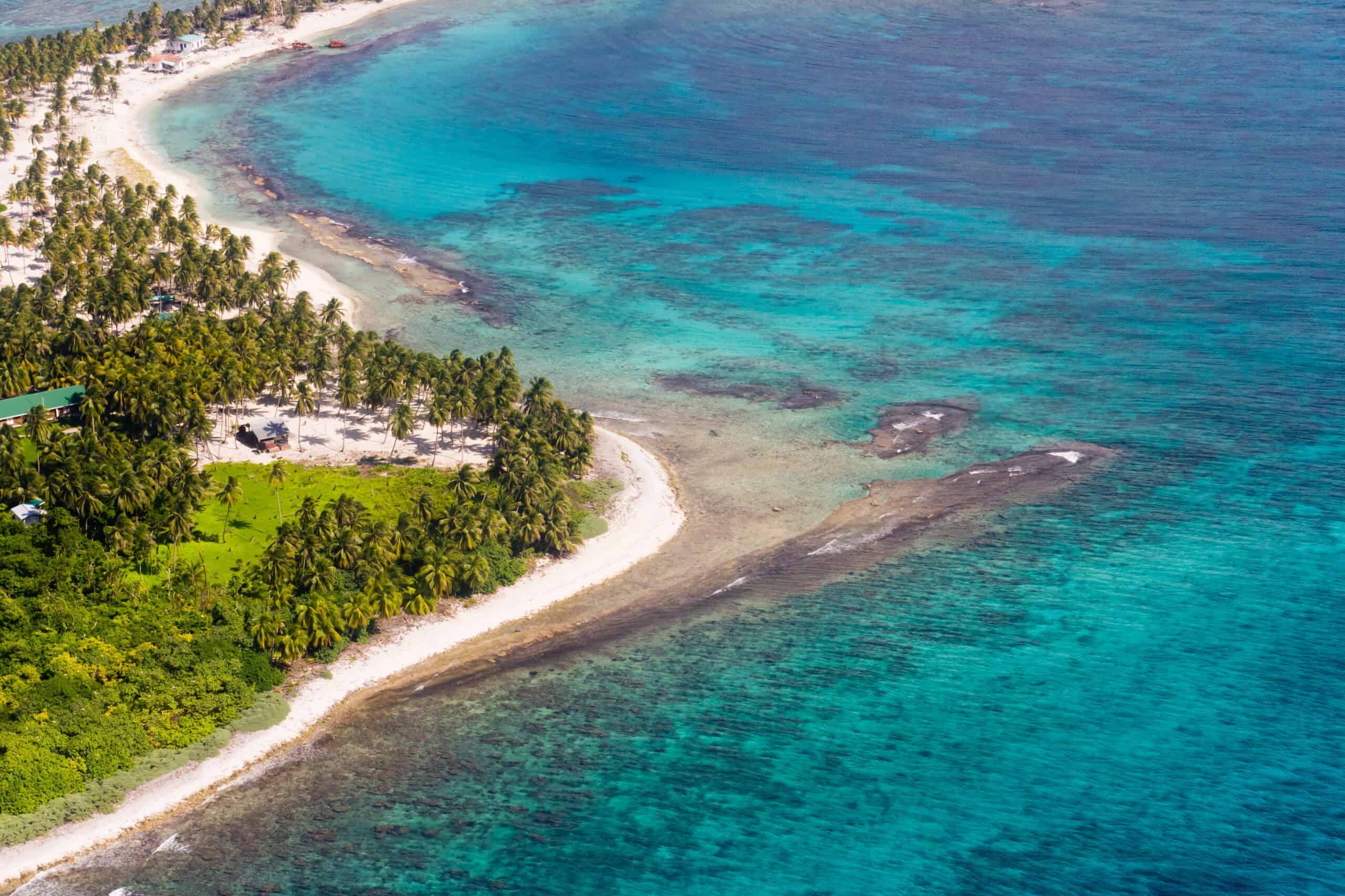
The Belize Barrier Reef, stretching over 300 kilometers (186 miles) along the Belizean coastline, is the second-largest coral reef system in the world and a UNESCO World Heritage Site. Renowned for its remarkable biodiversity and iconic features like the Great Blue Hole, this reef is a paradise for snorkelers and divers alike.
The vibrant underwater landscape includes staghorn, brain, and elkhorn corals, forming a stunning backdrop teeming with marine life, from colorful fish to nurse sharks and sea turtles. With its rich ecosystem and striking beauty, the Belize Barrier Reef offers an unforgettable underwater adventure.
Bonaire National Marine Park, Bonaire
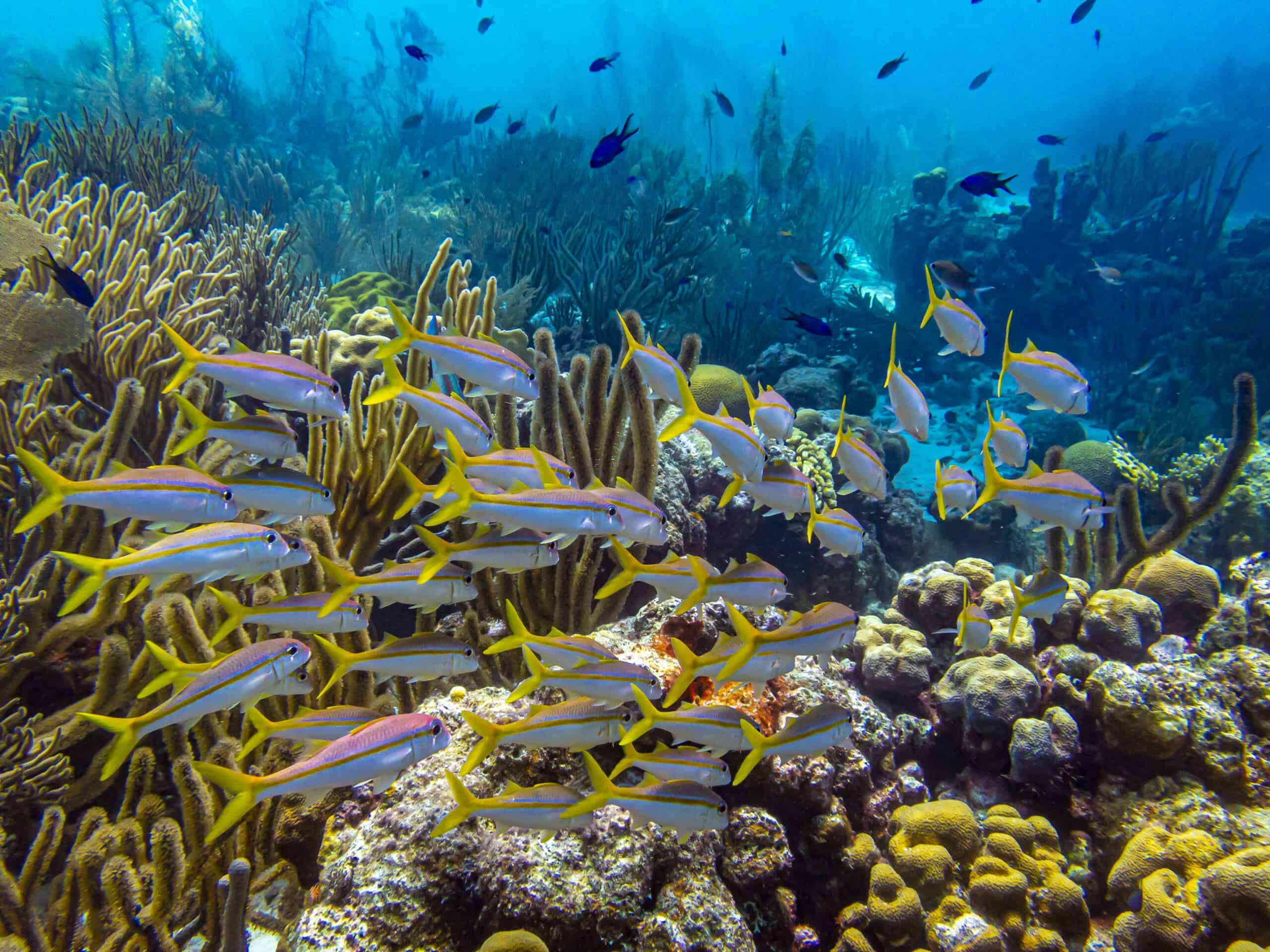
Bonaire National Marine Park, located off the coast of Bonaire in the southern Caribbean, is a snorkeler and diver’s paradise renowned for its pristine reefs and brilliant coral diversity. Designated as a protected area in 1979, the marine park includes the entire coastline of Bonaire and the uninhabited island of Klein Bonaire.
With over 80 dive sites accessible from the shore, the park offers unparalleled opportunities for underwater exploration, featuring everything from shallow coral gardens to dramatic drop-offs. Home to over 350 species of fish and 57 species of coral, Bonaire’s reefs are teeming with marine life, making it a must-visit destination for underwater enthusiasts.
Tubbataha Reefs Natural Park, Philippines
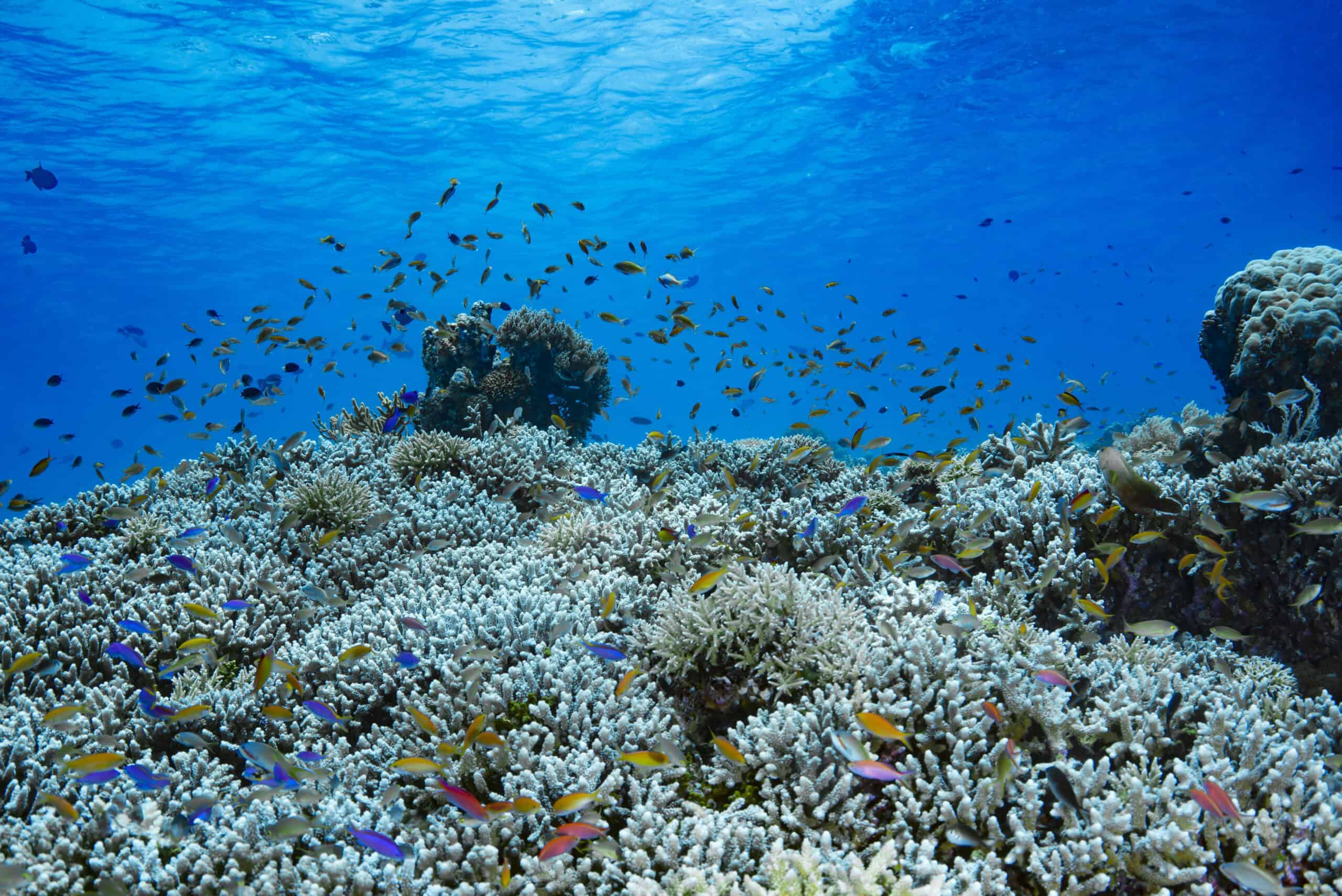
Tubbataha Reefs Natural Park, located in the Sulu Sea, is a UNESCO World Heritage site renowned for its amazing coral walls and diverse marine life. This remote and protected area features two coral atolls and the Jessie Beazley Reef, covering approximately 97,030 hectares.
Divers are captivated by towering coral walls, over 600 species of fish, 360 species of coral, and frequent sightings of whale sharks and manta rays. Accessible only via liveaboard dive trips from March to June, Tubbataha offers an unparalleled diving experience in one of the most well-preserved marine areas in the Philippines.
Kona Coast, Hawaii, USA
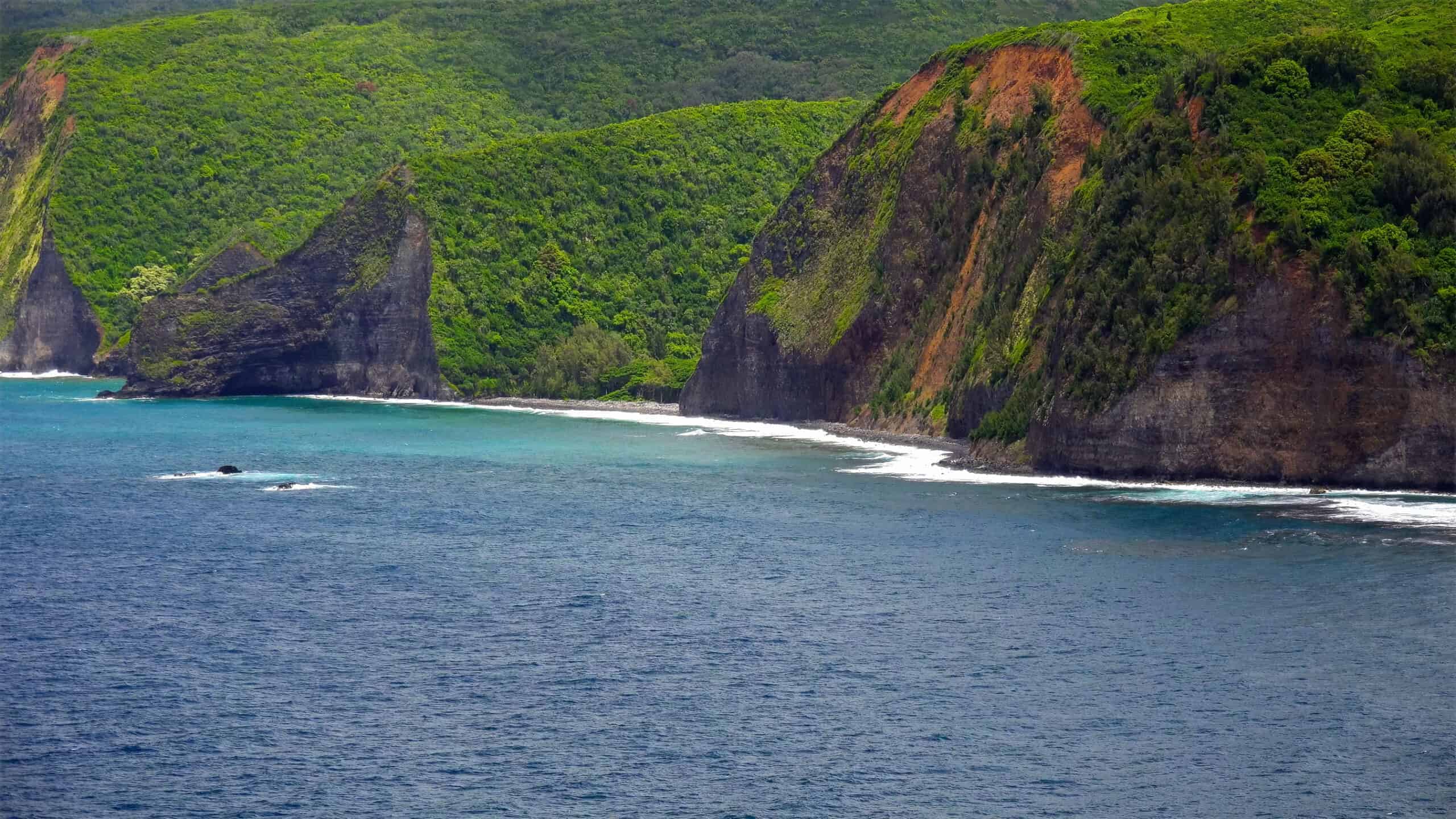
The Kona Coast on the Big Island of Hawaii offers a rich tapestry of coral reefs with unique formations and a diverse array of marine life, including the majestic manta rays. This picturesque stretch of coastline provides snorkelers and divers with stunning underwater landscapes, from expansive coral gardens to intricate lava formations.
The warm, clear waters offer excellent visibility, making it easy to appreciate the vibrant corals and marine creatures like colorful reef fish, sea turtles, and octopuses. A highlight for many is the manta ray night dive, an unforgettable experience where these gentle giants glide gracefully through illuminated waters.
Fakarava Atoll, French Polynesia
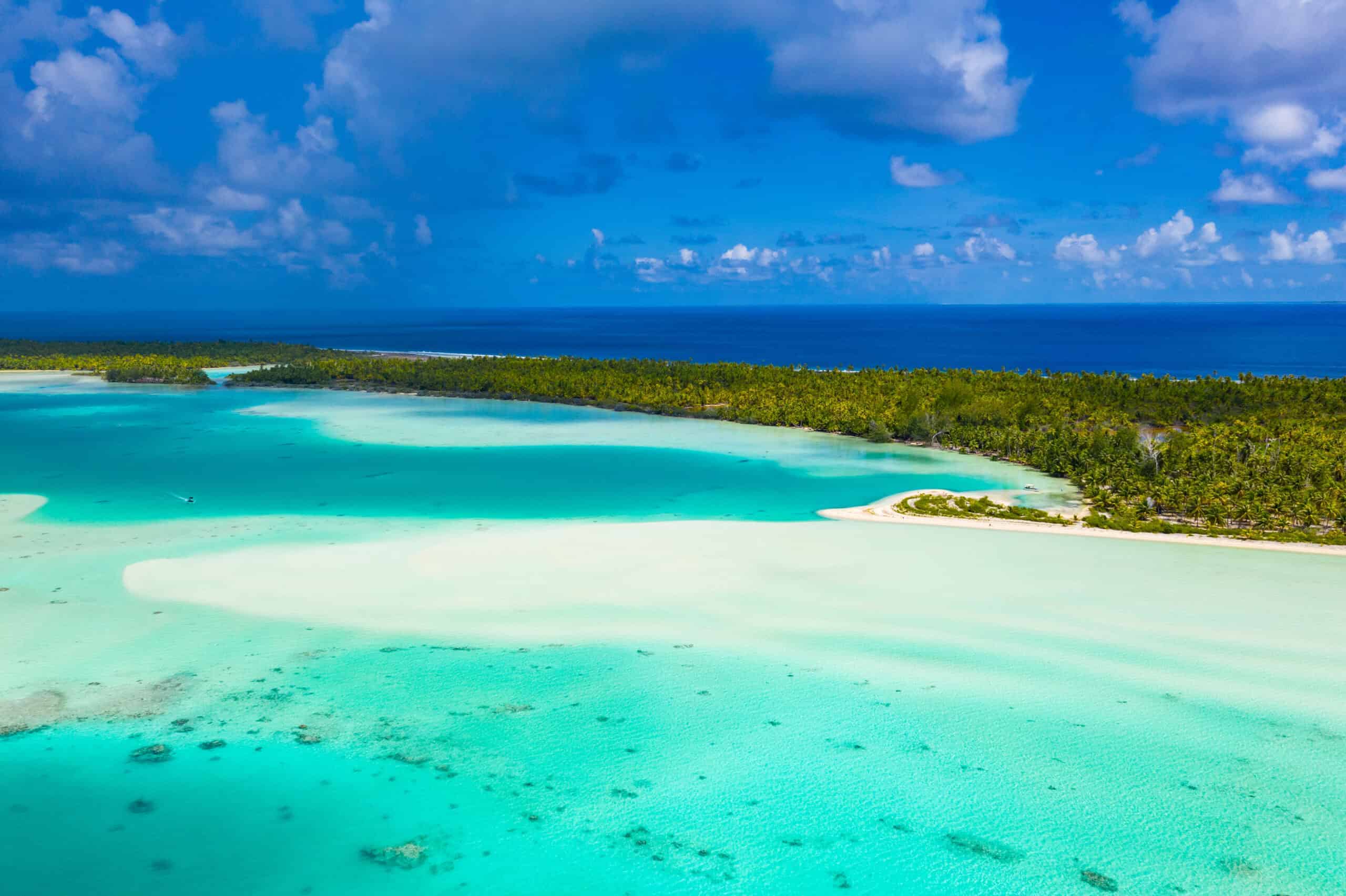
Fakarava Atoll in the Tuamotu Archipelago of French Polynesia is an extraordinary destination known for its captivating coral reefs and crystal-clear waters. As part of a UNESCO Biosphere Reserve, its exceptional biodiversity makes it a paradise for snorkelers and divers.
The atoll features spectacular coral gardens, towering coral bommies, and expansive coral walls teeming with marine life. One of the highlights is diving in the South Pass, or “Tumakohua,” where you can encounter schools of sharks, manta rays, and barracudas in an exhilarating underwater adventure.
Apo Reef, Philippines
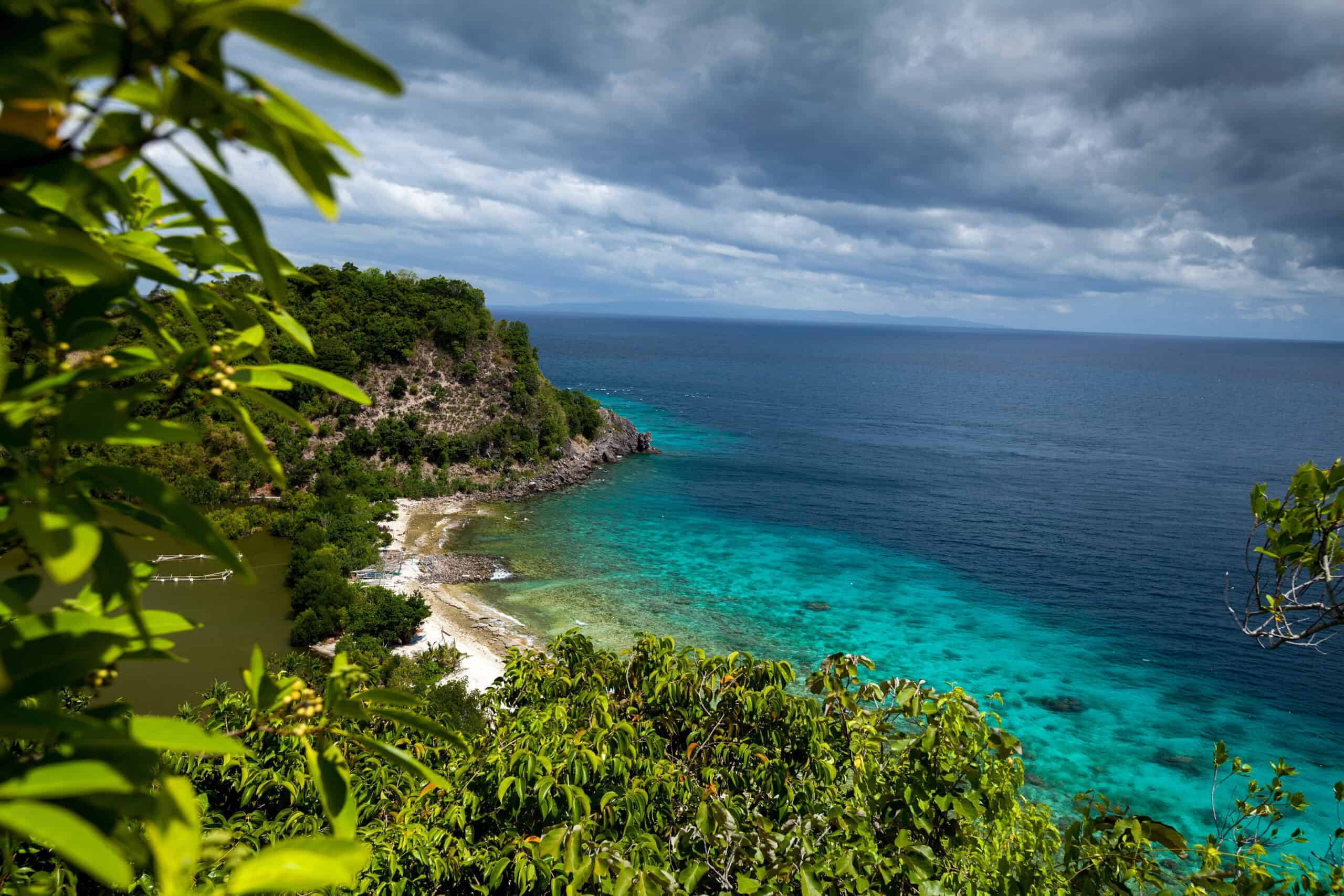
Apo Reef, located in the Mindoro Strait in the Philippines, is one of the largest atoll-like reefs in the country, celebrated for its marvelous coral reefs and abundant marine life. Covering approximately 34 square kilometers and designated as a protected natural park, Apo Reef is a premier destination for snorkelers and divers.
The crystal-clear waters showcase spectacular coral gardens, intricate coral walls, and diverse marine species, including over 500 species of fish, sea turtles, and reef sharks. Highlights include diving sites like Shark Ridge and Apo 29, offering thrilling encounters with reef sharks and pelagic species.
Red Sea Coral Reef, Egypt
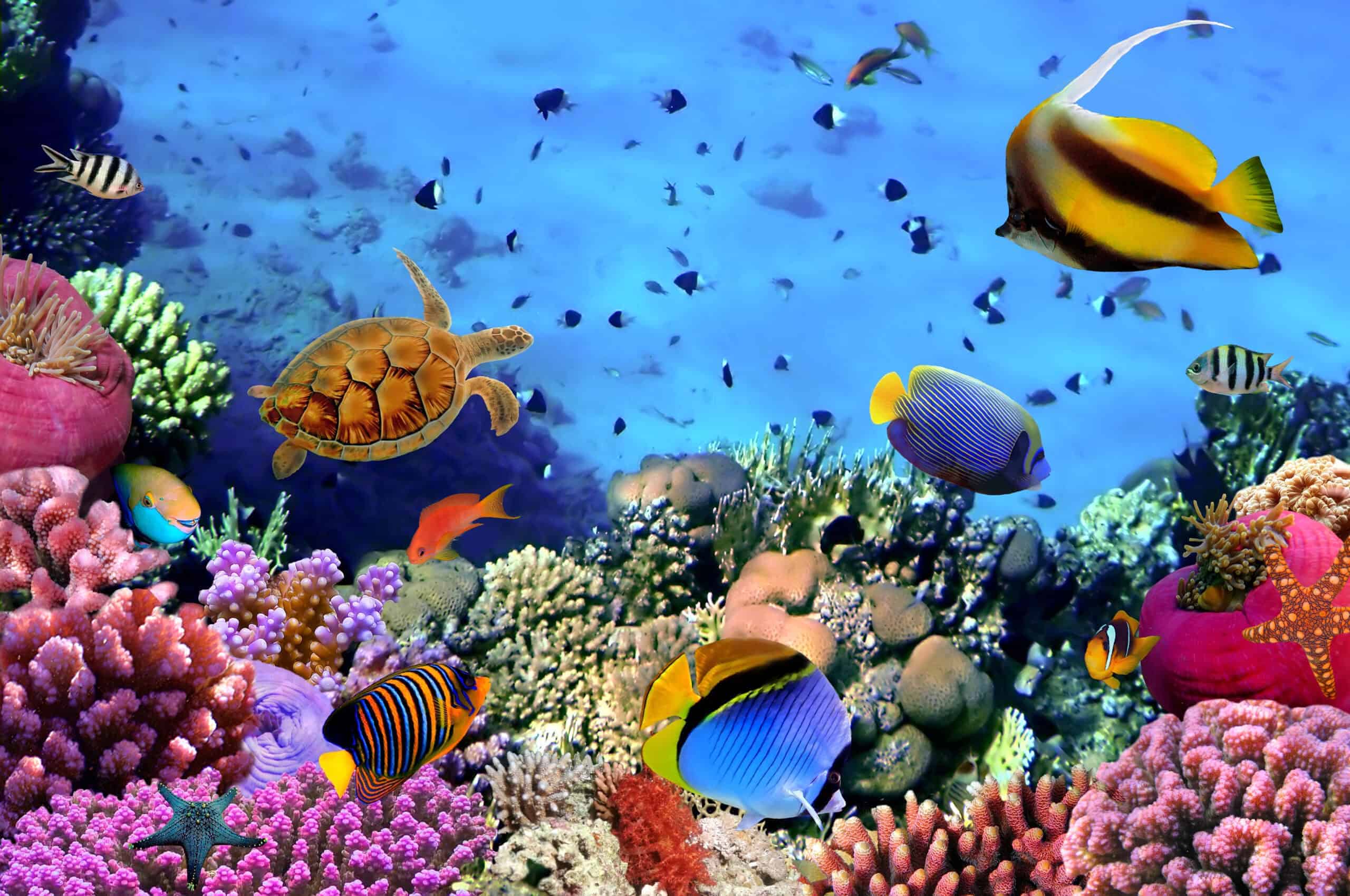
The Red Sea Coral Reef, stretching along the coast of Egypt, is famed for its crystal-clear waters and lush coral gardens, attracting divers worldwide. Spanning over 2,000 kilometers, this reef system boasts extraordinary visibility, often exceeding 30 meters (100 feet), revealing the vivid colors and intricate structures of the corals.
Renowned dive sites like Ras Mohammed National Park and the Straits of Tiran offer stunning coral formations and abundant marine life, including barracudas, jacks, and sharks. With over 1,200 species of fish and more than 200 species of hard and soft corals, the Red Sea Coral Reef presents an unparalleled underwater paradise for snorkeling and diving enthusiasts.
Maldive Atolls, Maldives
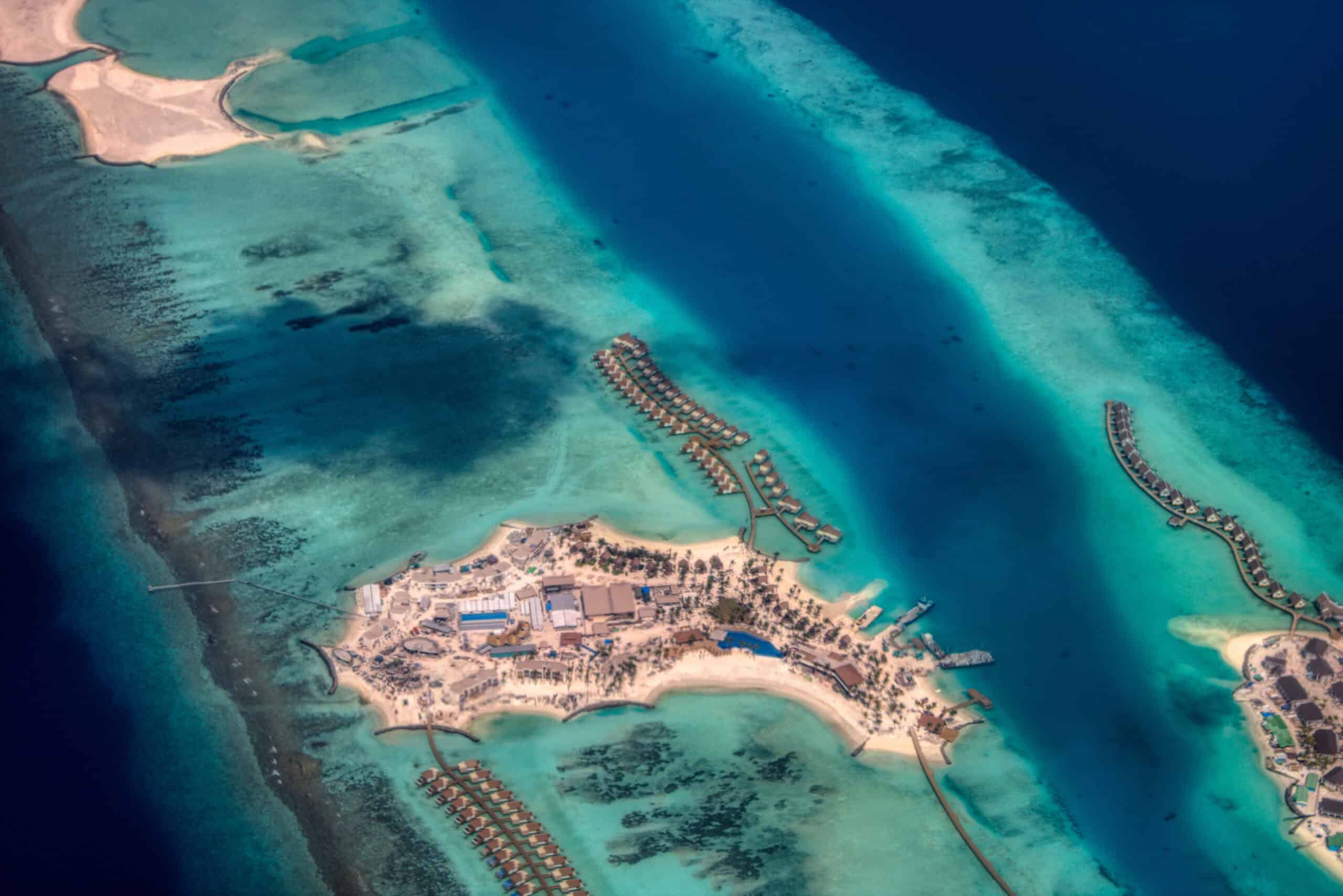
The Maldive Atolls, located in the Indian Ocean, consist of over 1,000 coral islands renowned for their vibrant reefs and diverse marine life, making them a premier destination for snorkeling and diving. Spread across 26 atolls, these islands offer excellent visibility, often exceeding 30 meters (100 feet), allowing for a full appreciation of the colorful corals and intricate formations.
Home to over 2,000 species of fish and hundreds of coral species, the Maldives’ reefs teem with life, from manta rays and whale sharks to colorful reef fish and sea turtles. Dive sites like Banana Reef, Maaya Thila, and Fish Head provide unique underwater landscapes and abundant marine life, ensuring an unforgettable experience for underwater explorers.
Lord Howe Island, Australia
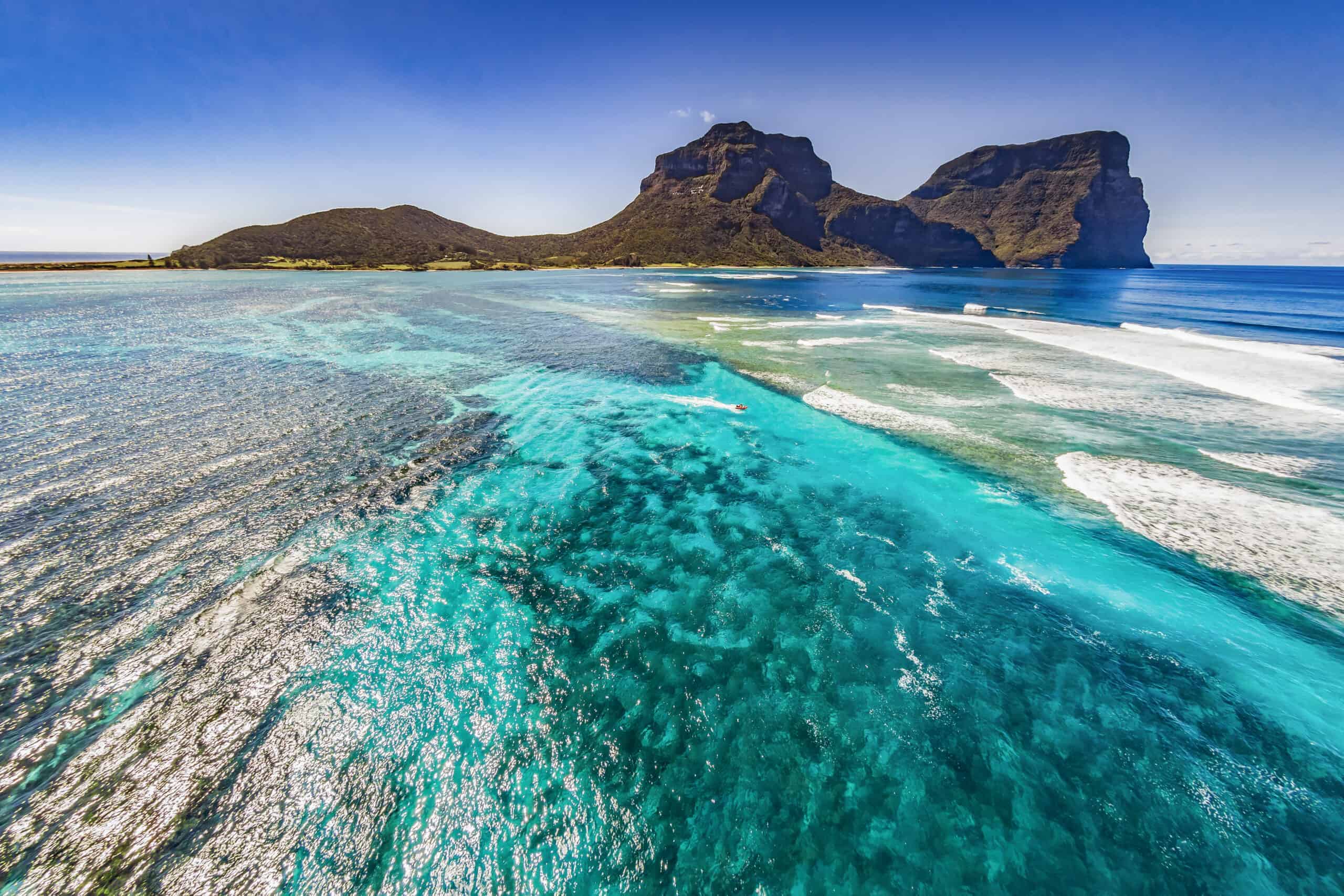
Lord Howe Island, located in the Tasman Sea off the east coast of Australia, is a UNESCO World Heritage site renowned for its diverse coral reefs and unique marine species. This crescent-shaped island, about 600 kilometers east of mainland Australia, provides an idyllic setting for snorkeling and diving in pristine marine environments.
The southernmost coral reefs in the world here boast a rich variety of hard and soft corals, creating beautiful underwater landscapes teeming with colorful reef fish and endemic species like the Lord Howe Island butterflyfish. Iconic sites like Ned’s Beach and the Admiralty Islands offer unforgettable experiences, making this island a must-visit destination for marine enthusiasts.
Fernando de Noronha, Brazil
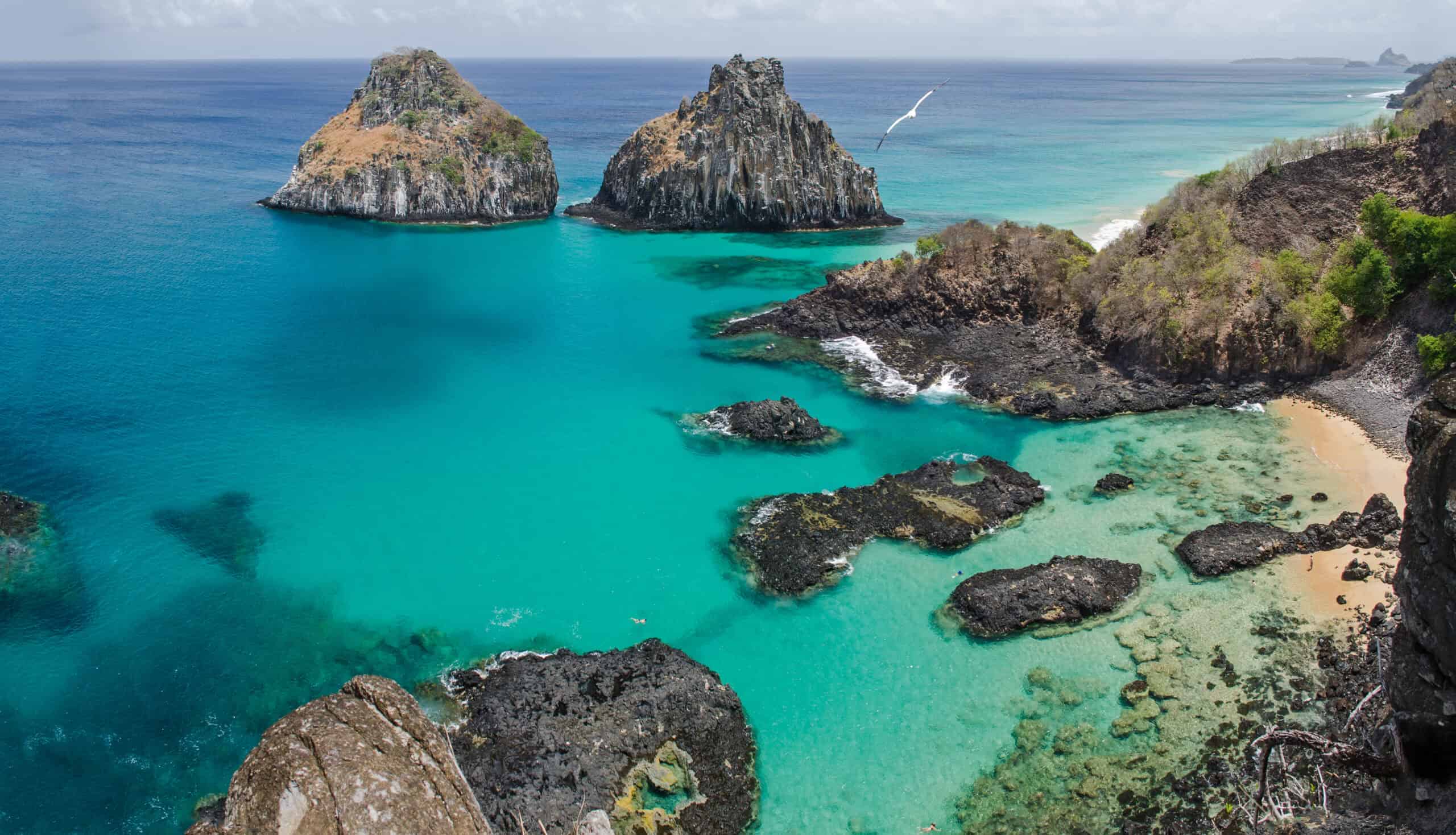
The archipelago of Fernando de Noronha, located off the northeast coast of Brazil, is famed for its vibrant coral reefs and crystal-clear waters, making it a top destination for snorkeling and diving. This remote paradise, consisting of 21 islands and islets, offers excellent visibility, often exceeding 30 meters (100 feet), allowing visitors to fully appreciate the colorful corals and diverse marine life.
Highlights include encounters with spinner dolphins in Baía dos Golfinhos and nesting hawksbill and green turtles. As a UNESCO World Heritage site, Fernando de Noronha’s protected status ensures the preservation of its wonderful underwater and above-water landscapes for future generations.
Wakatobi National Park, Indonesia
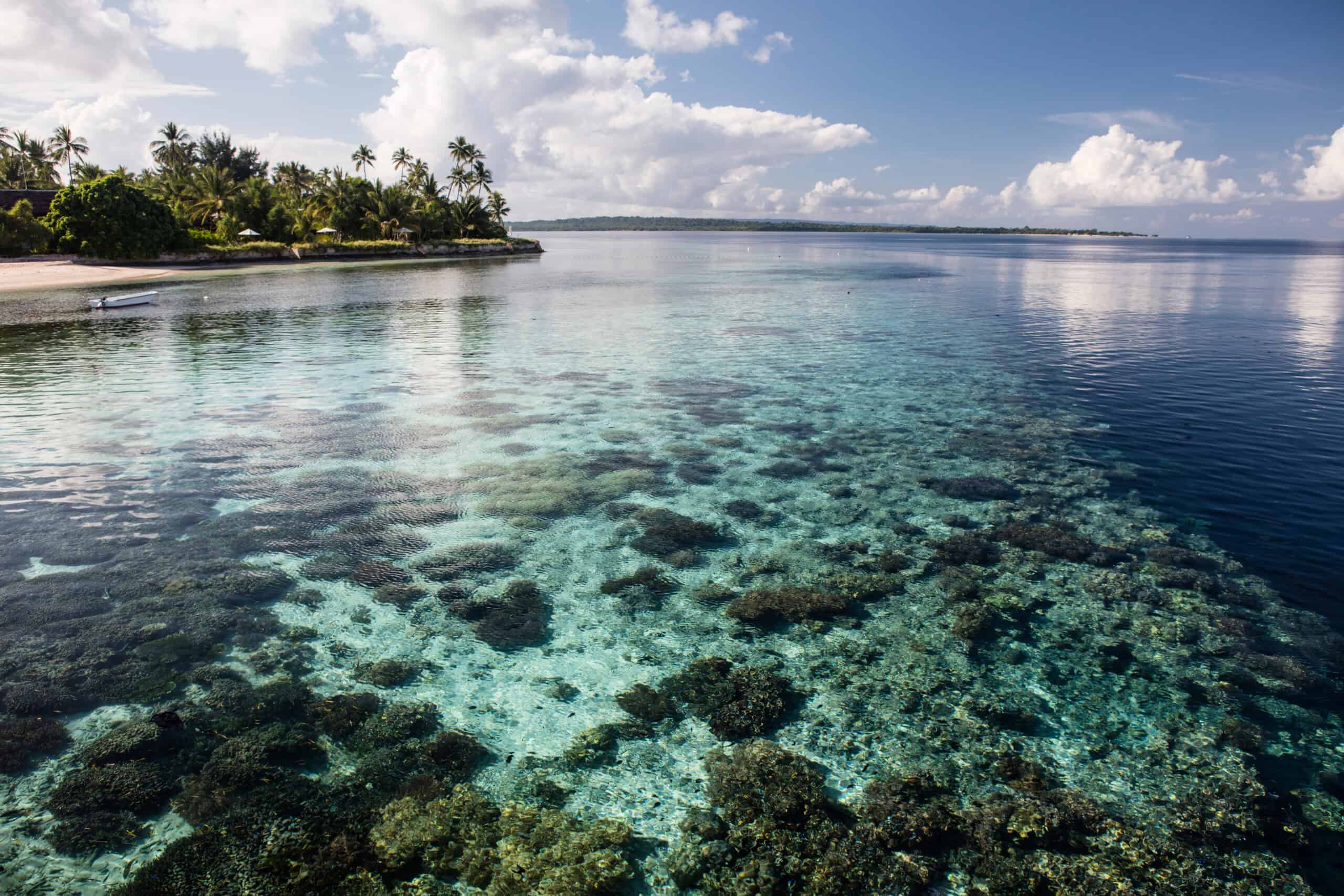
Wakatobi National Park in Southeast Sulawesi, Indonesia, is a premier destination for snorkeling and diving, renowned for its pristine reefs and high diversity of corals and marine life. Located in the heart of the Coral Triangle, the park spans over 1.39 million hectares, featuring stunning underwater landscapes and thriving ecosystems.
With over 500 species of coral and more than 900 species of fish, Wakatobi’s clear, warm waters offer excellent visibility for exploring its intricate coral gardens, steep drop-offs, and underwater caves. Notable dive sites like House Reef and Roma provide unforgettable experiences, showcasing the park’s rich biodiversity and commitment to marine conservation.
Cocos Island, Costa Rica
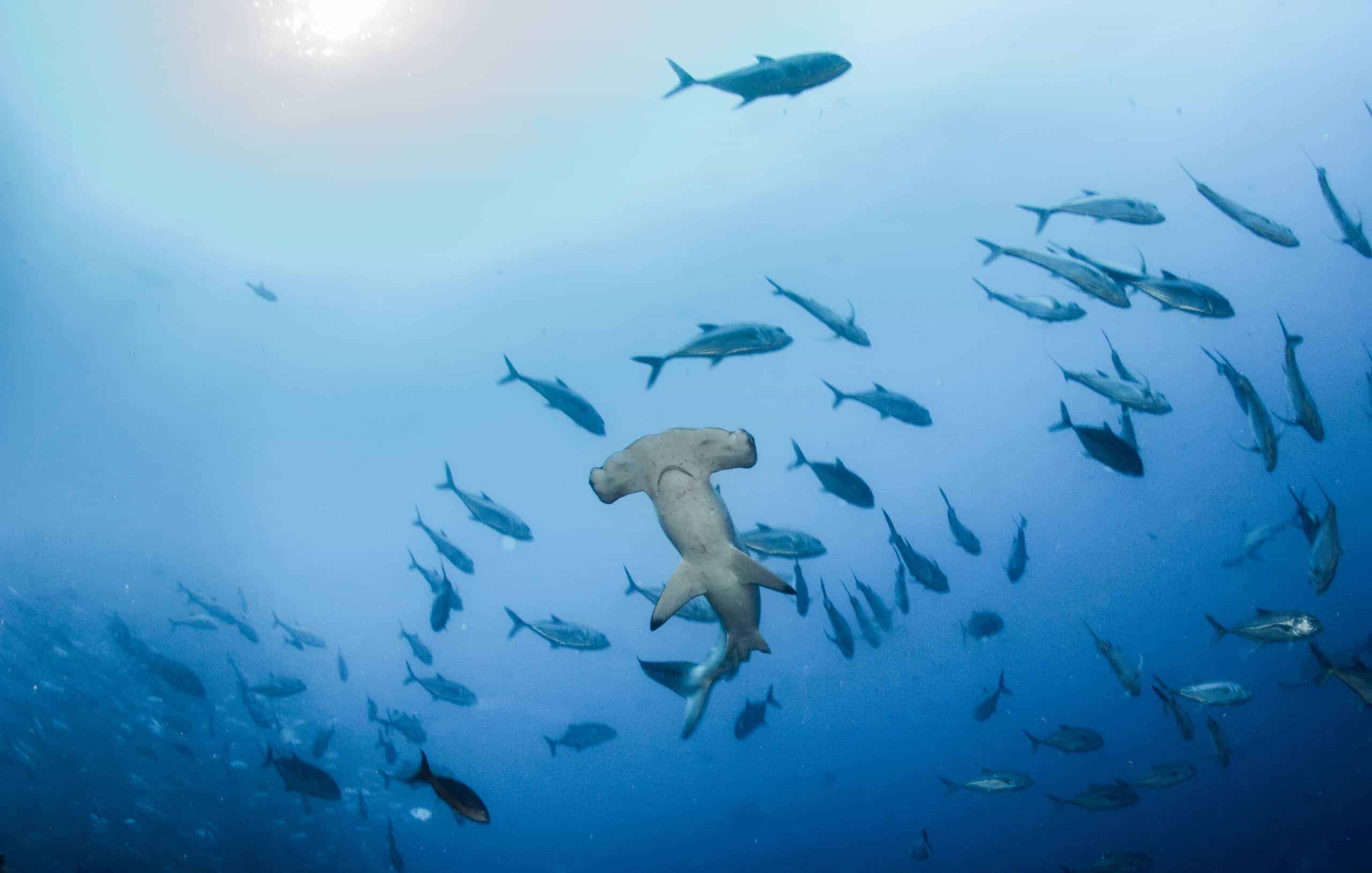
Cocos Island, located around 550 kilometers off Costa Rica’s Pacific coast, is a UNESCO World Heritage site famed for its colorful coral reefs and abundant large pelagic species. This remote island, often dubbed the “Island of the Sharks,” features bustling reefs teeming with diverse marine life and offers exceptional visibility for diving.
Divers can encounter schools of scalloped hammerhead sharks, white-tip reef sharks, manta rays, and even whale sharks. The island’s pristine marine ecosystem is well-preserved thanks to the Cocos Island National Park, making it a must-visit destination