


Whether you’re a history buff or just looking for some amazing travel destinations, the United States is brimming with national monuments that tell the story of our nation’s past. From ancient cliff dwellings to the iconic Statue of Liberty, these 12 must-visit national monuments offer a rich tapestry of historical and cultural experiences.

The Caribbean for Less Than You Think
Up to 65% off + a resort credit + a free night at select Sandals resorts. 8 islands. 17 resorts. All-inclusive everything. See the deals →
Get ready to uncover some hidden gems and learn about the events that shaped the U.S. Join us on this journey through time and discover the fascinating stories these monuments have to tell!
Devils Tower National Monument, Wyoming
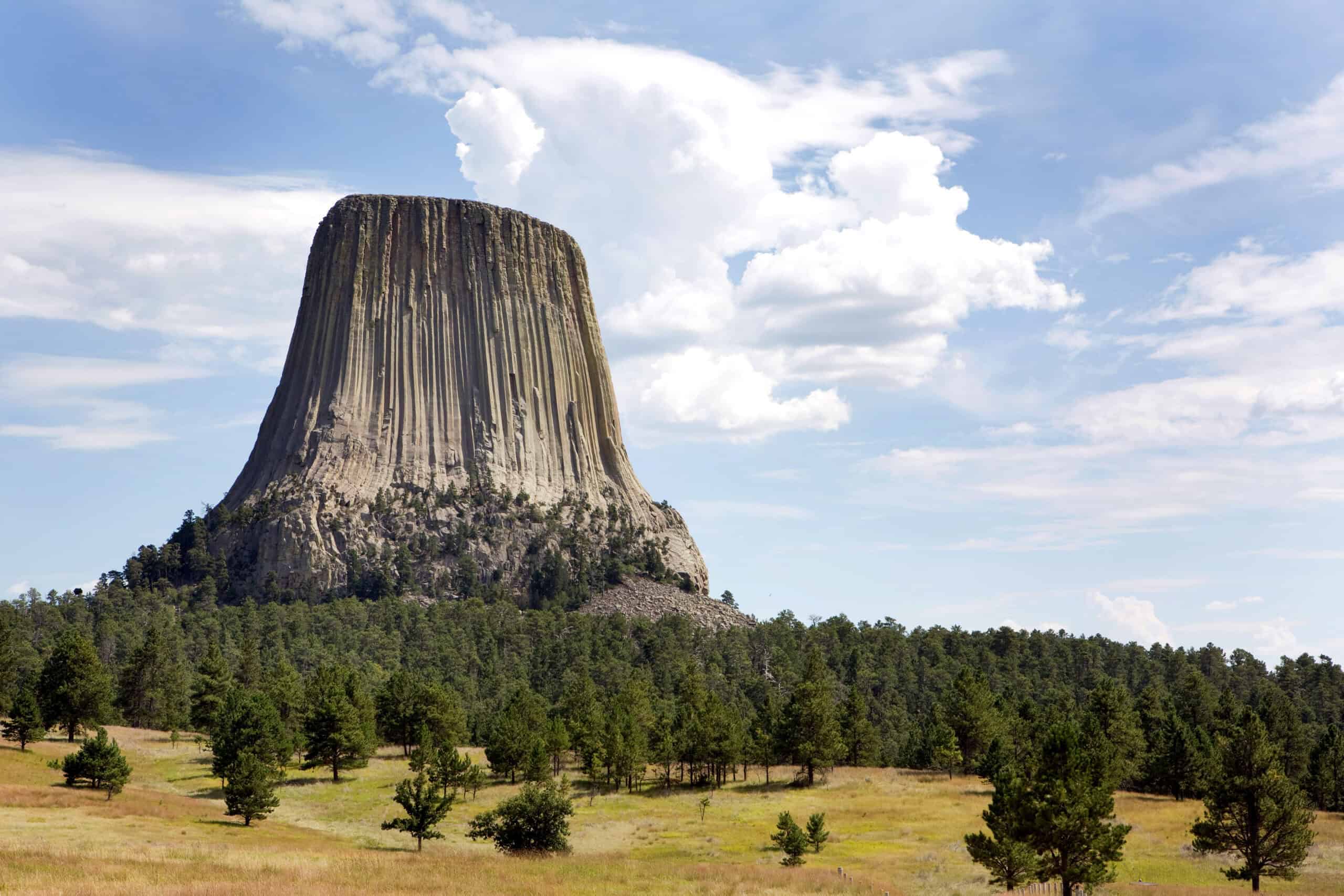
Devils Tower National Monument in northeastern Wyoming is a striking geological marvel that rises 1,267 feet above the Belle Fourche River. Known for its unique columnar structure of phonolite porphyry, this monolith captivates geologists and climbers alike.
The site holds profound cultural significance for numerous Native American tribes, featuring prominently in their legends and traditions. Designated the first national monument by President Theodore Roosevelt in 1906, Devils Tower is a must-visit for its natural beauty and rich cultural heritage.
Statue of Liberty National Monument, New York

The Statue of Liberty National Monument, located on Liberty Island in New York Harbor, is one of the world’s most iconic landmarks. Dedicated in 1886 as a gift from France, this colossal neoclassical sculpture was designed by Frédéric Auguste Bartholdi and engineered by Gustave Eiffel.
Symbolizing freedom and democracy, Lady Liberty holds a torch and a tablet inscribed with the date of the American Declaration of Independence. Beyond its architectural grandeur, the statue served as a beacon of hope for millions of immigrants and continues to inspire visitors with its enduring message of the American Dream.
Canyons of the Ancients National Monument, Colorado
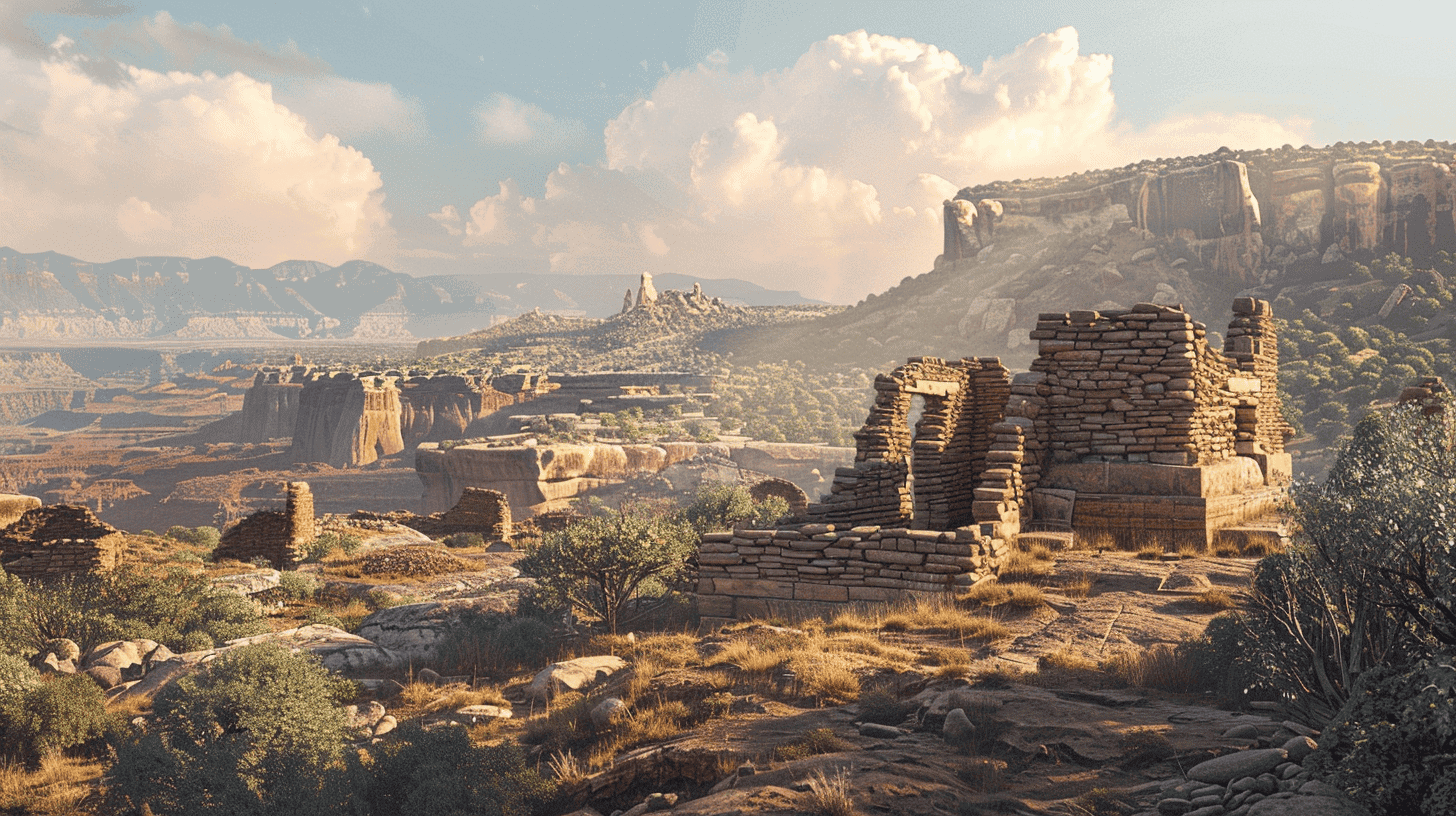
Canyons of the Ancients National Monument in southwestern Colorado boasts the highest density of archaeological sites in the U.S., covering an expansive 176,000 acres. With over 6,000 recorded sites, including cliff dwellings, ancient villages, and ceremonial kivas, it offers invaluable insights into the lives of the Ancestral Puebloans.
Highlights like the well-preserved Lowry Pueblo showcase the architectural and community-building practices of these early inhabitants. The monument’s rugged canyons and mesas, along with its rich cultural history, make it a must-visit destination for history enthusiasts and nature lovers alike.
Bandelier National Monument, New Mexico
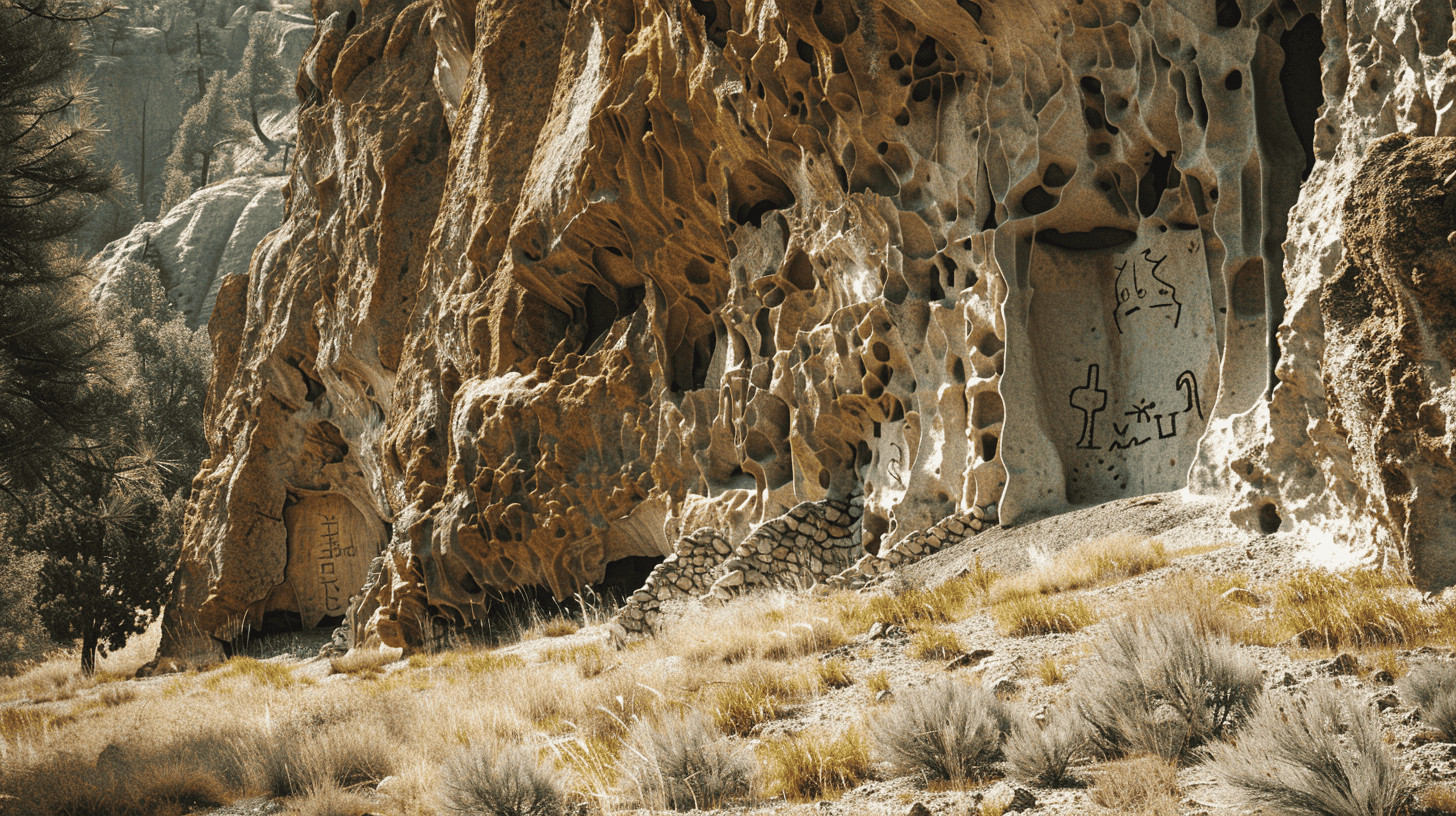
Bandelier National Monument, located near Los Alamos, New Mexico, preserves the ancient cliff dwellings and petroglyphs of the Ancestral Puebloans. Spanning over 33,000 acres, the monument features dramatic landscapes of rugged canyons and forested uplands.
Visitors can explore the remains of Tyuonyi Pueblo and climb ladders to access the cliff dwellings in Frijoles Canyon, offering a distinctive glimpse into ancient life. The extensive petroglyphs and well-preserved ruins make it a must-visit destination for history enthusiasts and nature lovers alike.
Craters of the Moon National Monument, Idaho
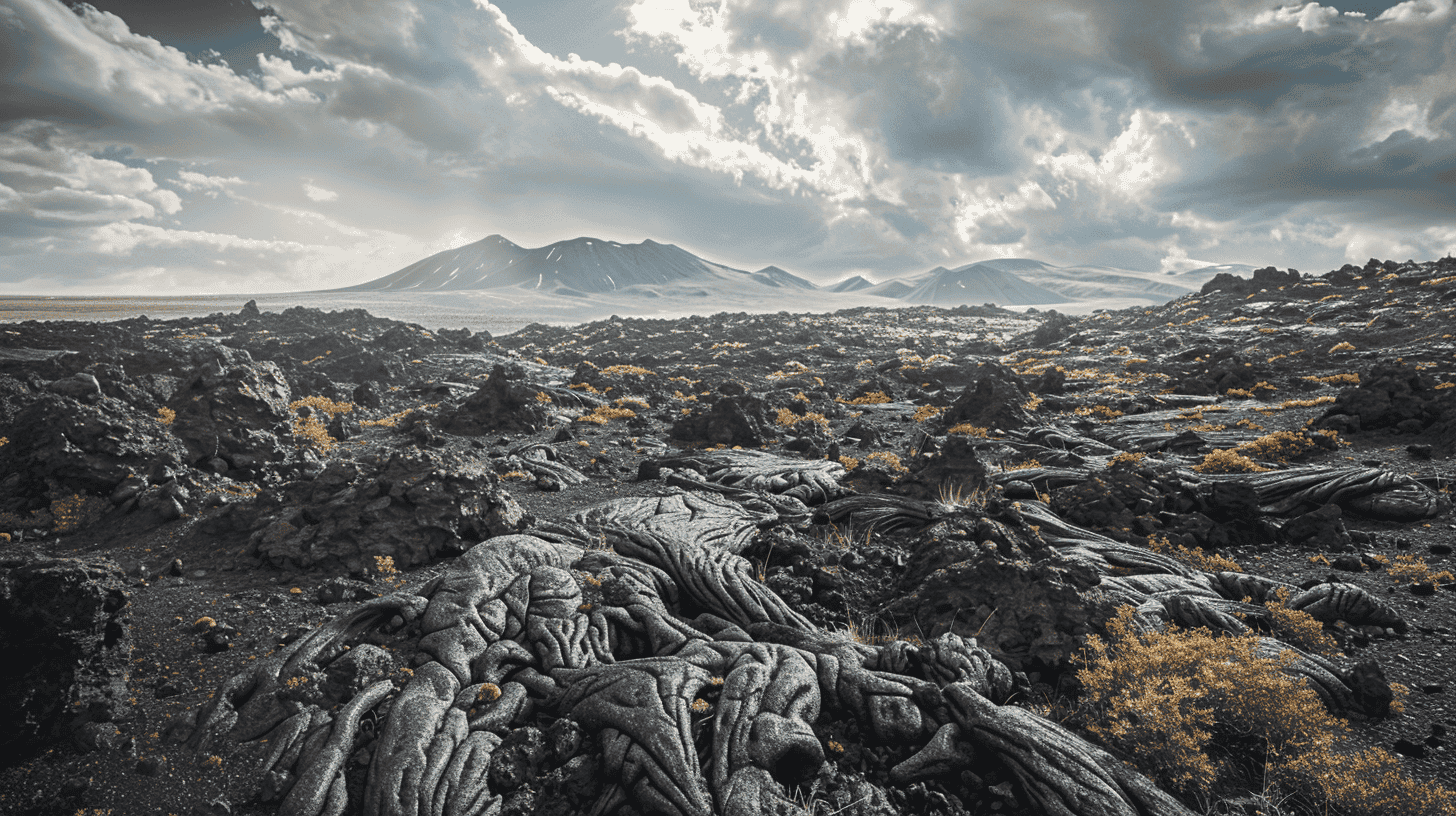
Craters of the Moon National Monument in central Idaho showcases a mesmerizing landscape of diverse volcanic formations. Spanning over 750,000 acres, this area was shaped by volcanic eruptions from the Great Rift over the past 15,000 years.
Visitors can explore striking features like cinder cones, spatter cones, and lava tubes, which offer a unique glimpse into the region’s dynamic geological history. Established in 1924, the monument remains a must-visit for outdoor enthusiasts and geology lovers.
Birmingham Civil Rights National Monument, Alabama

Located in Birmingham, Alabama, the Birmingham Civil Rights National Monument commemorates key events and figures from the Civil Rights Movement of the 1950s and 1960s. Central to the monument is the 16th Street Baptist Church, the site of a tragic racially motivated bombing that galvanized support for racial justice.
The monument also includes Kelly Ingram Park, known for its brutal confrontations between peaceful protesters and law enforcement, and the A.G. Gaston Motel, where leaders like Dr. Martin Luther King Jr. strategized for equality. Established in 2017, this monument offers visitors a powerful glimpse into the struggle for civil rights.
Fort Matanzas National Monument, Florida
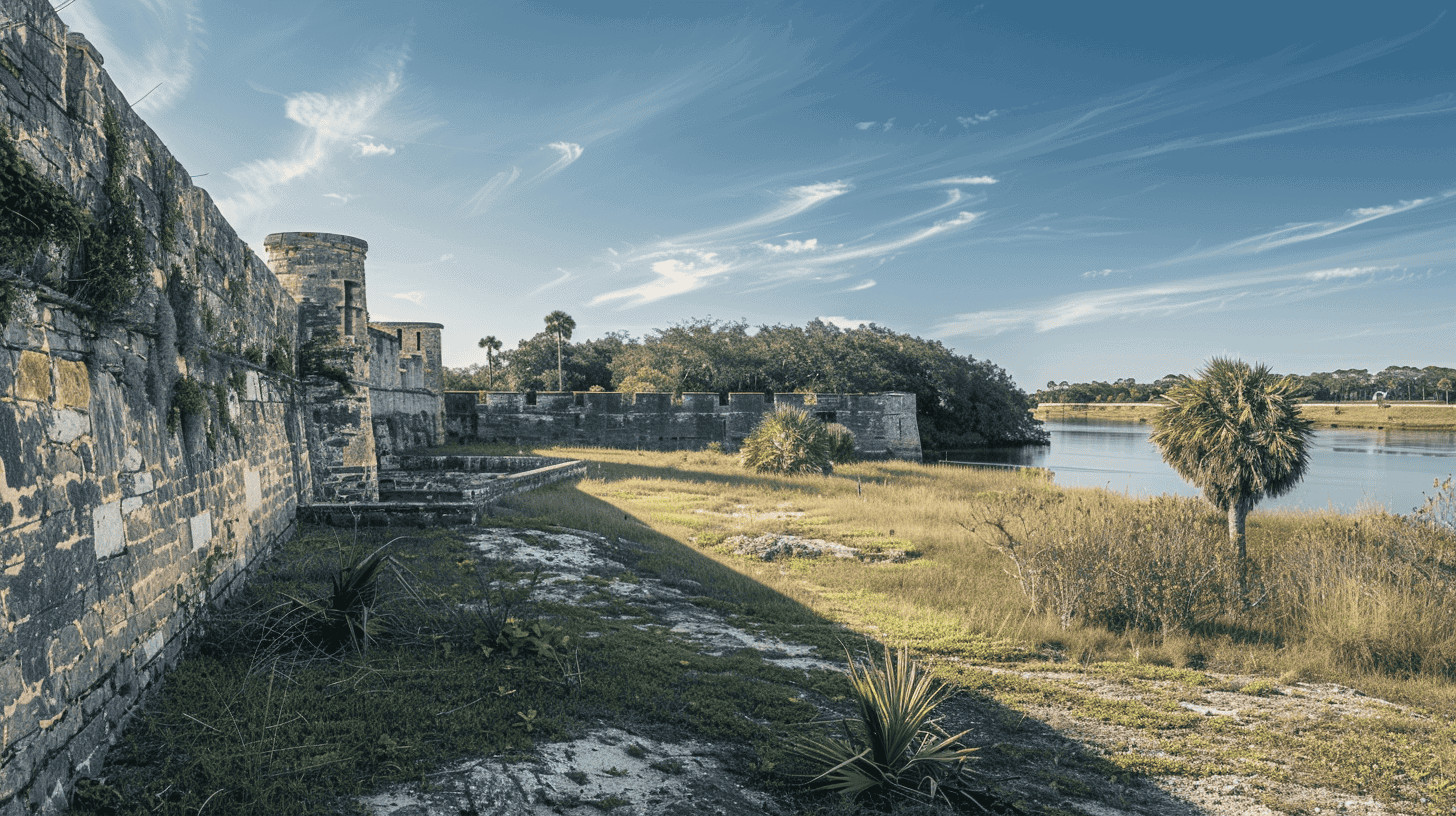
Located on the Matanzas River in Florida, Fort Matanzas National Monument offers a glimpse into Spanish colonialism in the Americas. Built between 1740 and 1742, this small but strategic fort protected the southern approach to St. Augustine, the oldest continuously occupied European settlement in the U.S.
Constructed from coquina stone, the well-preserved fort served as an early warning outpost against foreign invaders and pirates. Accessible only by boat, Fort Matanzas provides guided tours and nature trails, blending rich history with natural beauty.
Hovenweep National Monument, Utah/Colorado
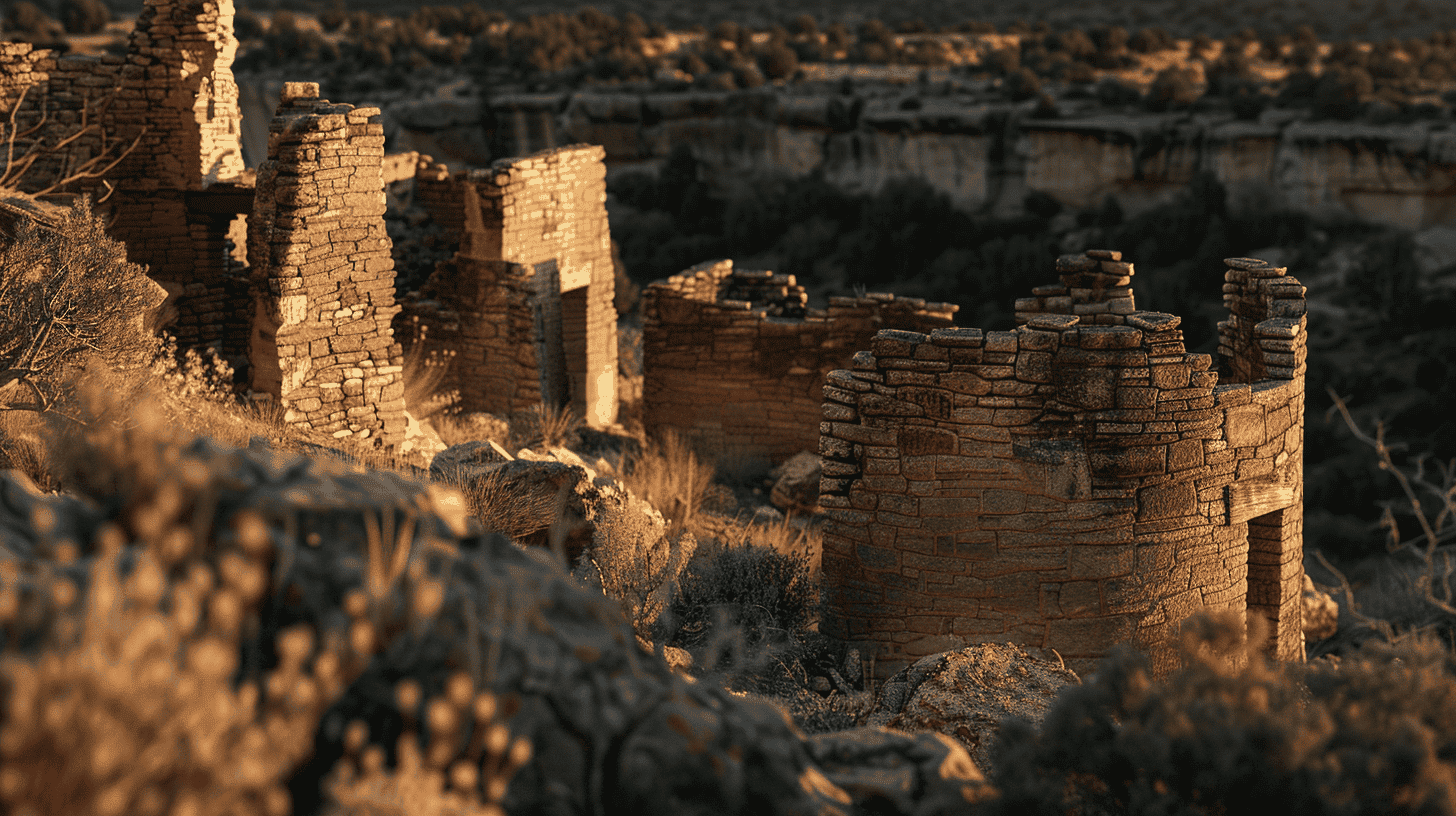
Straddling the Utah-Colorado border, Hovenweep National Monument preserves six prehistoric villages built by the Ancestral Puebloans. Dating from around 1200 to 1300 CE, these sites feature well-preserved stone structures including towers, kivas, and dwellings.
Highlights include the multi-story Square Tower Group, which showcases the sophisticated masonry and architectural creativity of its builders. Visitors can explore these ancient ruins and enjoy the serene desert landscape, gaining a fascinating glimpse into the lives and ingenuity of the region’s early inhabitants.
Muir Woods National Monument, California
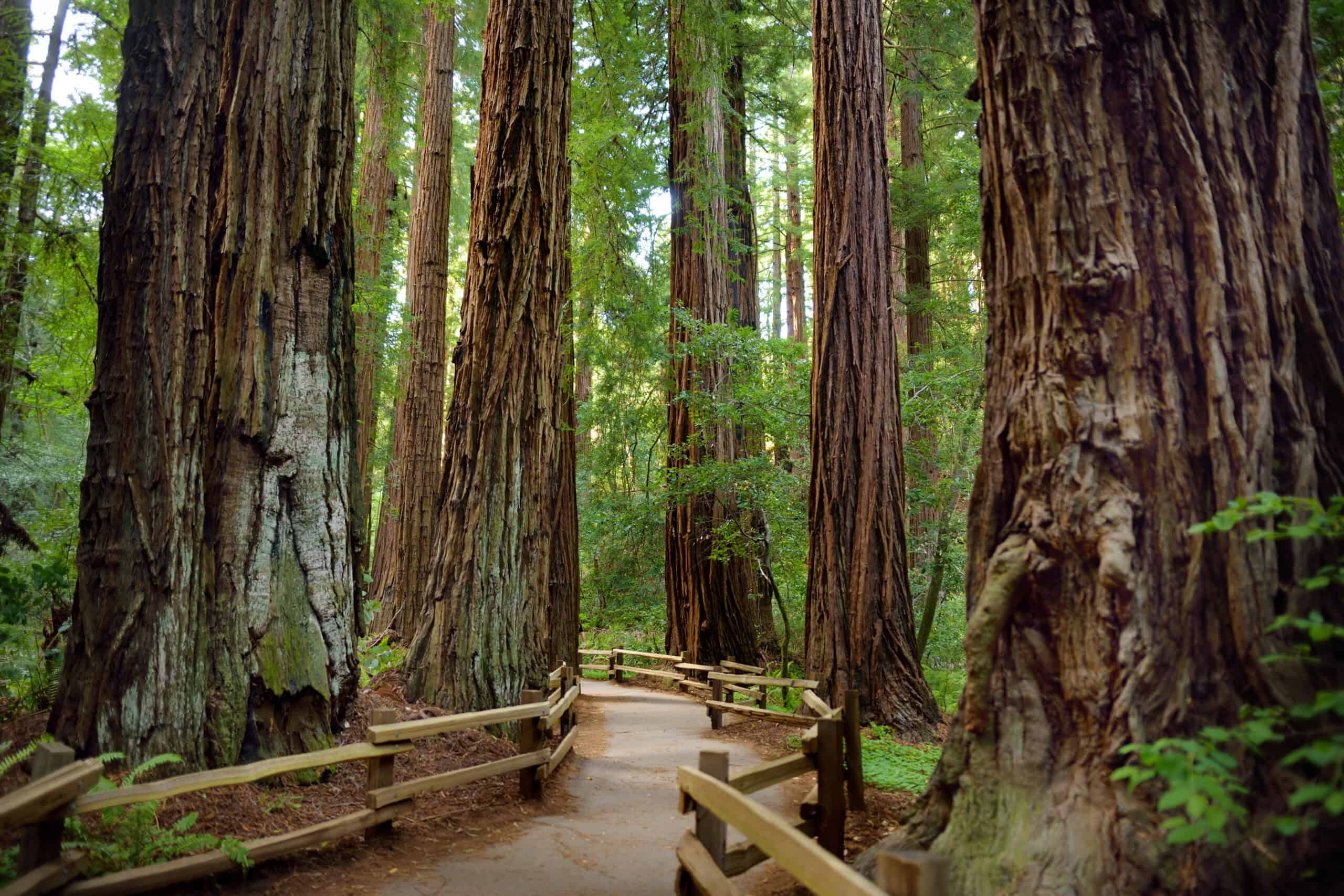
Just north of San Francisco in Marin County, Muir Woods National Monument is renowned for its towering old-growth coastal redwoods. Named after naturalist John Muir, this serene forest features trees that are over 1,000 years old and soar more than 250 feet high.
Established in 1908 by President Theodore Roosevelt, the monument offers a network of trails that wind through this stunning ecosystem, allowing visitors to experience the majesty of these ancient giants firsthand. The lush forest, diverse wildlife, and tranquil atmosphere make Muir Woods a must-visit for nature lovers and history enthusiasts alike.
Rainbow Bridge National Monument, Utah
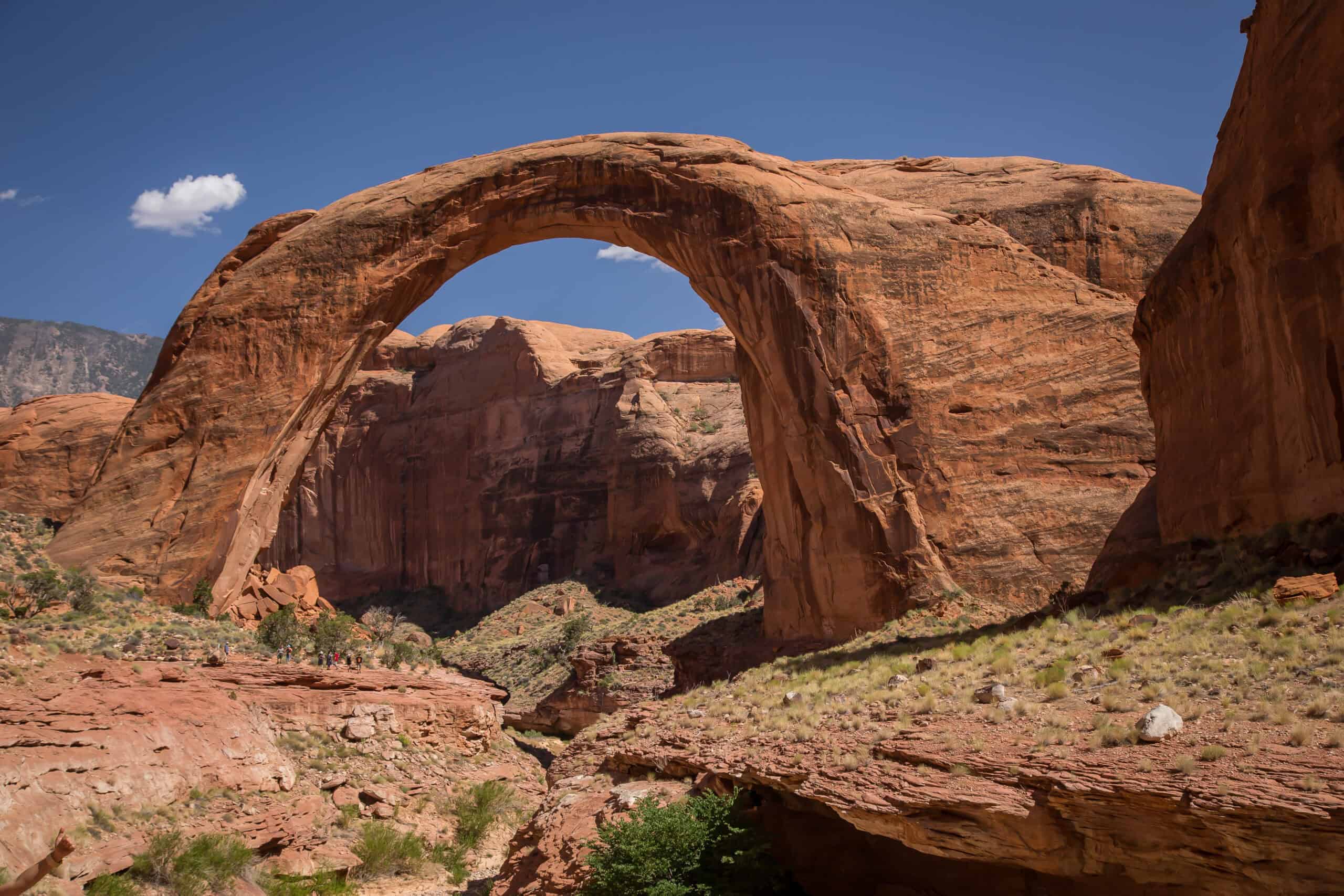
Rainbow Bridge National Monument in southern Utah is one of the world’s largest natural bridges, spanning 275 feet and towering 290 feet above the streambed. Formed over millions of years from Navajo Sandstone by wind and water erosion, this monument holds deep cultural and spiritual significance for the Navajo, Hopi, and Paiute tribes.
Accessible primarily by boat on Lake Powell followed by a scenic hike, visiting Rainbow Bridge offers a profound appreciation of the American Southwest’s rugged beauty and rich heritage. Designated a national monument in 1910, it remains a symbol of the interconnection between nature and spirituality.
George Washington Birthplace National Monument, Virginia

The George Washington Birthplace National Monument in Westmoreland County, Virginia, preserves the plantation where the first U.S. President was born. Known as Popes Creek Plantation, the site offers a fascinating glimpse into George Washington’s early life, with restored buildings and a Memorial House reflecting 18th-century colonial life.
Visitors can explore beautifully landscaped gardens, historic structures, and trails through serene natural surroundings. The monument provides an educational and immersive experience, celebrating the formative years of an iconic American figure.
White Sands National Monument, New Mexico

White Sands National Monument in southern New Mexico is celebrated for its vast, shimmering gypsum sand dunes, the largest of their kind in the world. Spanning 275 square miles, this unique landscape, formed over the last 10,000 years, offers a visual and ecological marvel.
Visitors can hike marked trails, explore diverse habitats, and even sled down the cool-to-the-touch dunes. Rich in both natural beauty and cultural history, White Sands provides an unforgettable experience for nature lovers and history enthusiasts alike.