
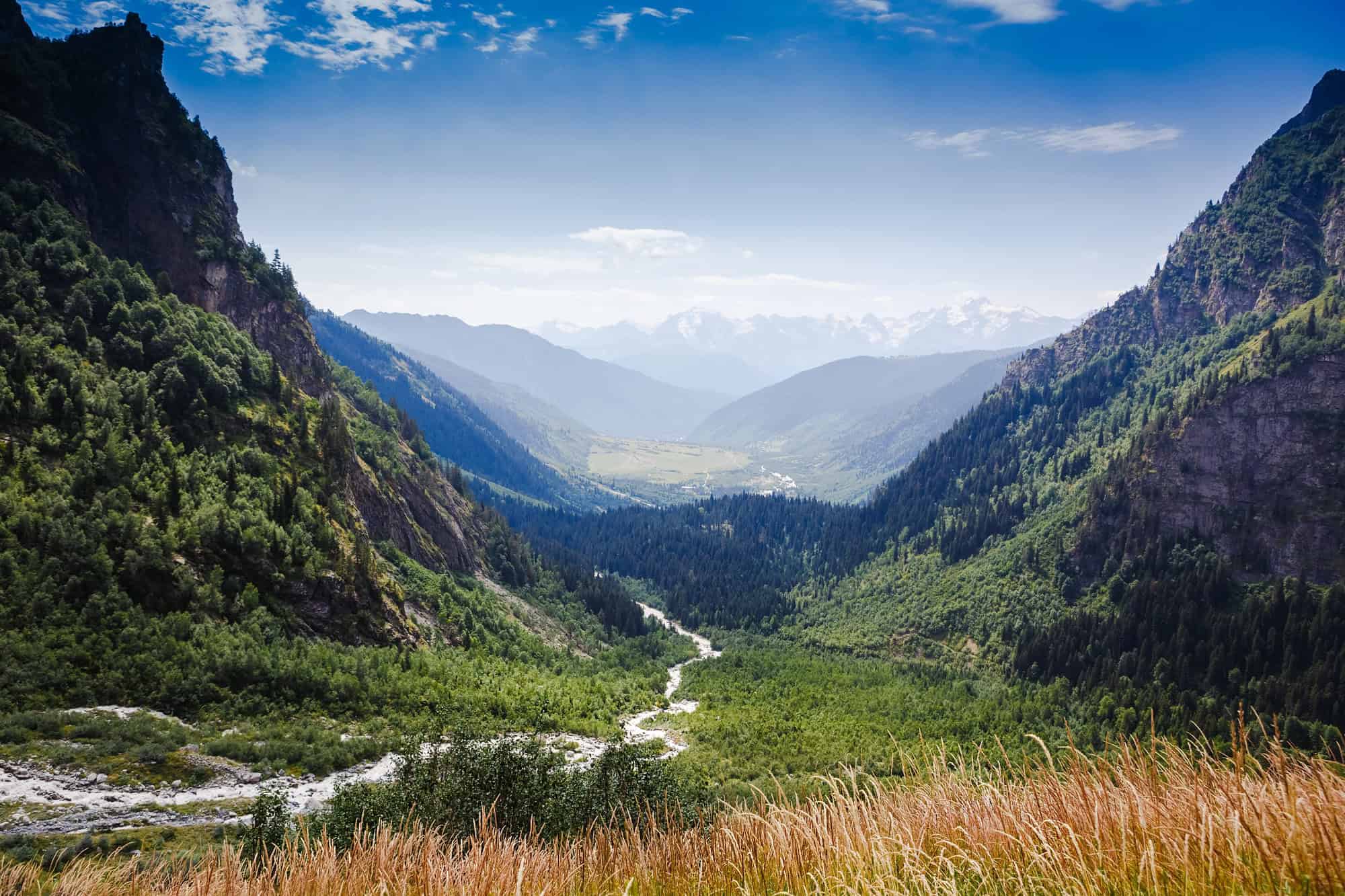
High in the Caucasus Mountains, where ancient stone towers pierce the clouds and glacial streams tumble down verdant valleys, Georgia’s highland cuisine is having its moment. This isn’t just about traditional dishes getting their due – it’s about a radical reinvention of mountain food that’s drawing international attention and adventurous food lovers to some of the most remote corners of Europe.

The Caribbean for Less Than You Think
Up to 65% off + a resort credit + a free night at select Sandals resorts. 8 islands. 17 resorts. All-inclusive everything. See the deals →
Where Tradition Meets Innovation
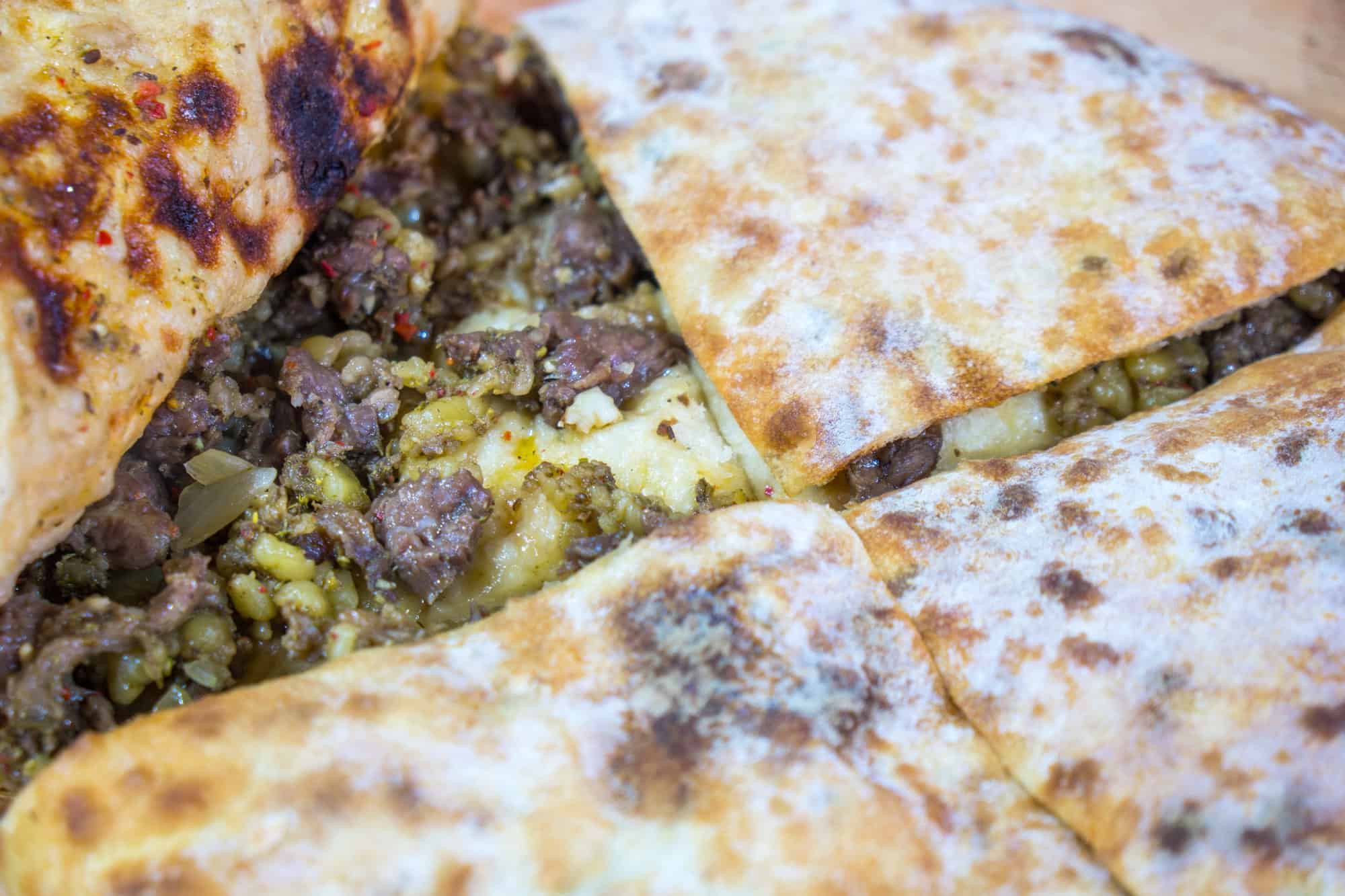
According to Culinary Backstreets, a new wave of Georgian chefs is reimagining centuries-old recipes from the country’s mountainous regions. In Svaneti, where medieval towers still dot the landscape, traditional dishes like kubdari (spiced meat-filled bread) are being elevated with modern techniques. Local chef Zaza Gagua explains, “We’re not changing our grandmothers’ recipes – we’re giving them new life.”
The transformation isn’t limited to fancy plating. Local ingredients that have sustained mountain communities for generations are being rediscovered through a contemporary lens. Wild mountain herbs, once gathered only for traditional stews, now find their way into craft cocktails and innovative small plates.
The Mountain Pantry Revolution
Georgia.to reports that the region’s distinctive ingredients are driving this culinary renaissance. The high-altitude environment produces unique flavors you simply can’t find elsewhere: honey from bees that feed on alpine flowers, sharp mountain cheeses aged in limestone caves, and indigenous grape varieties that produce wines unlike anything in the lowlands.
I’ve observed that it’s the preservation techniques, born of necessity in these remote regions, that are particularly exciting modern food lovers. Dried wild mushrooms, fermented vegetables, and house-cured meats – traditional methods of surviving long mountain winters – are now being celebrated as examples of sustainable, zero-waste cooking that feels remarkably contemporary.
A New Generation Takes the Reins
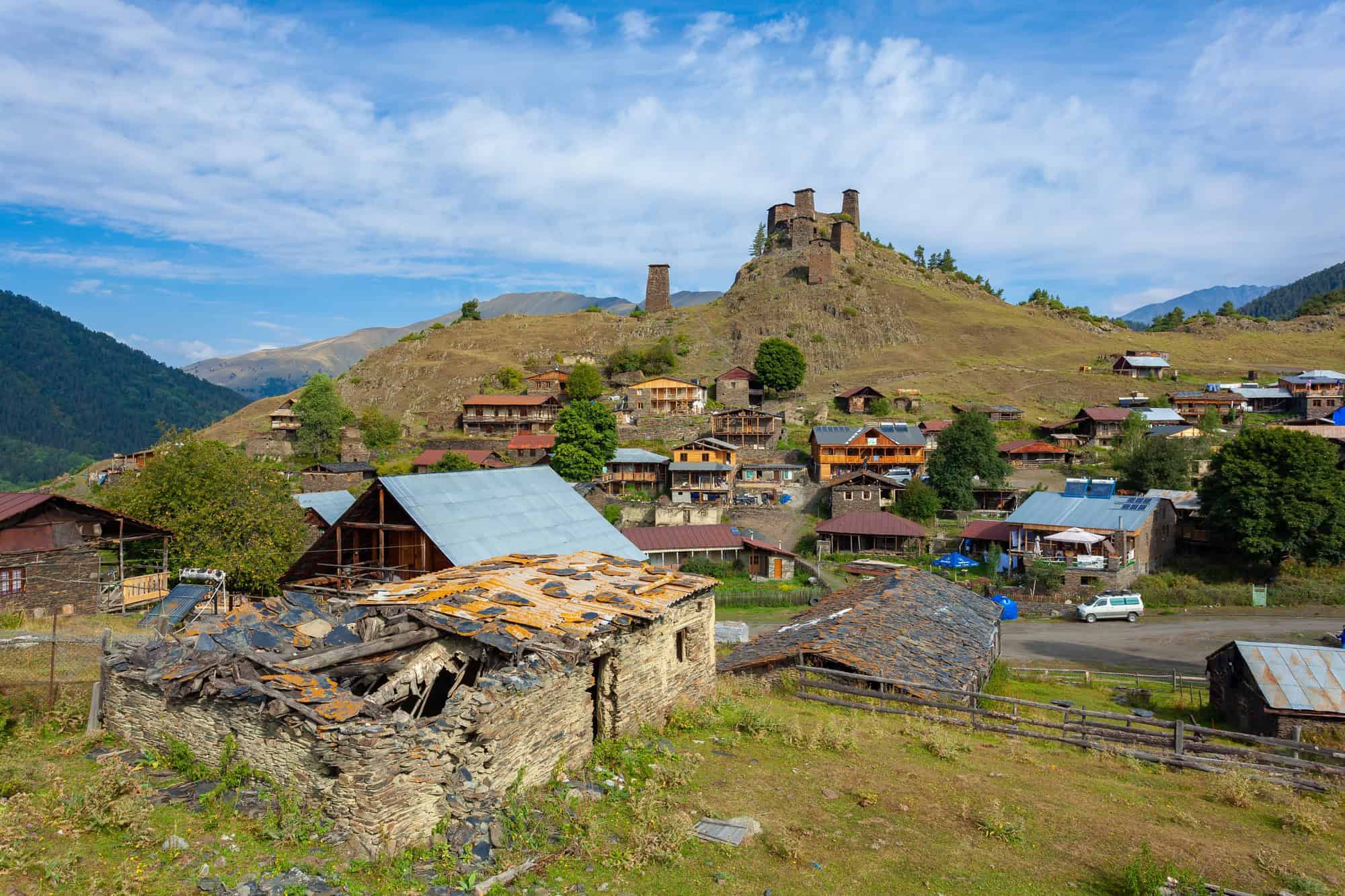
The most exciting development might be the return of young chefs to their mountain roots. After training in Tbilisi or abroad, they return to open restaurants that blend sophisticated techniques with hyper-local ingredients. In Tusheti, a remote region accessible only during summer months, pop-up restaurants are drawing food tourists willing to make the harrowing journey up mountain roads for a taste of something unique.
These chefs aren’t just cooking – they’re preserving cultural heritage. Each dish tells a story of survival, adaptation, and creativity in one of Europe’s most dramatic landscapes. The result is cuisine that feels both deeply rooted and thoroughly modern.
Beyond the Plate
This culinary evolution is having ripple effects throughout the mountain communities. Small-scale farmers are finding new markets for heritage products. Food-focused guesthouses are opening in remote villages. Cooking workshops are attracting international visitors eager to learn traditional techniques.
But perhaps most importantly, this renaissance is giving mountain communities a new sense of pride and economic opportunity. Young people who might once have left for the city are finding reasons to stay and contribute to their hometown’s culinary culture.
The secret might be out about Georgian mountain cuisine, but its story is just beginning. For food lovers seeking the next frontier in authentic, place-based cooking, the peaks of the Caucasus are calling. Just don’t wait too long to answer – this hidden gem won’t stay hidden for much longer.