

Discover the rich tapestry of America’s past with our curated list of 15 top U.S. destinations for history buffs. From legendary battlefields to hidden colonial gems, these sites offer a fascinating glimpse into the events and people that shaped the nation.

The Caribbean for Less Than You Think
Up to 65% off + a resort credit + a free night at select Sandals resorts. 8 islands. 17 resorts. All-inclusive everything. See the deals →
Whether you’re a seasoned historian or just love a good story, these destinations are sure to ignite your curiosity and deepen your appreciation for American history. So pack your bags and prepare for a journey through time!
Colonial Williamsburg, Virginia
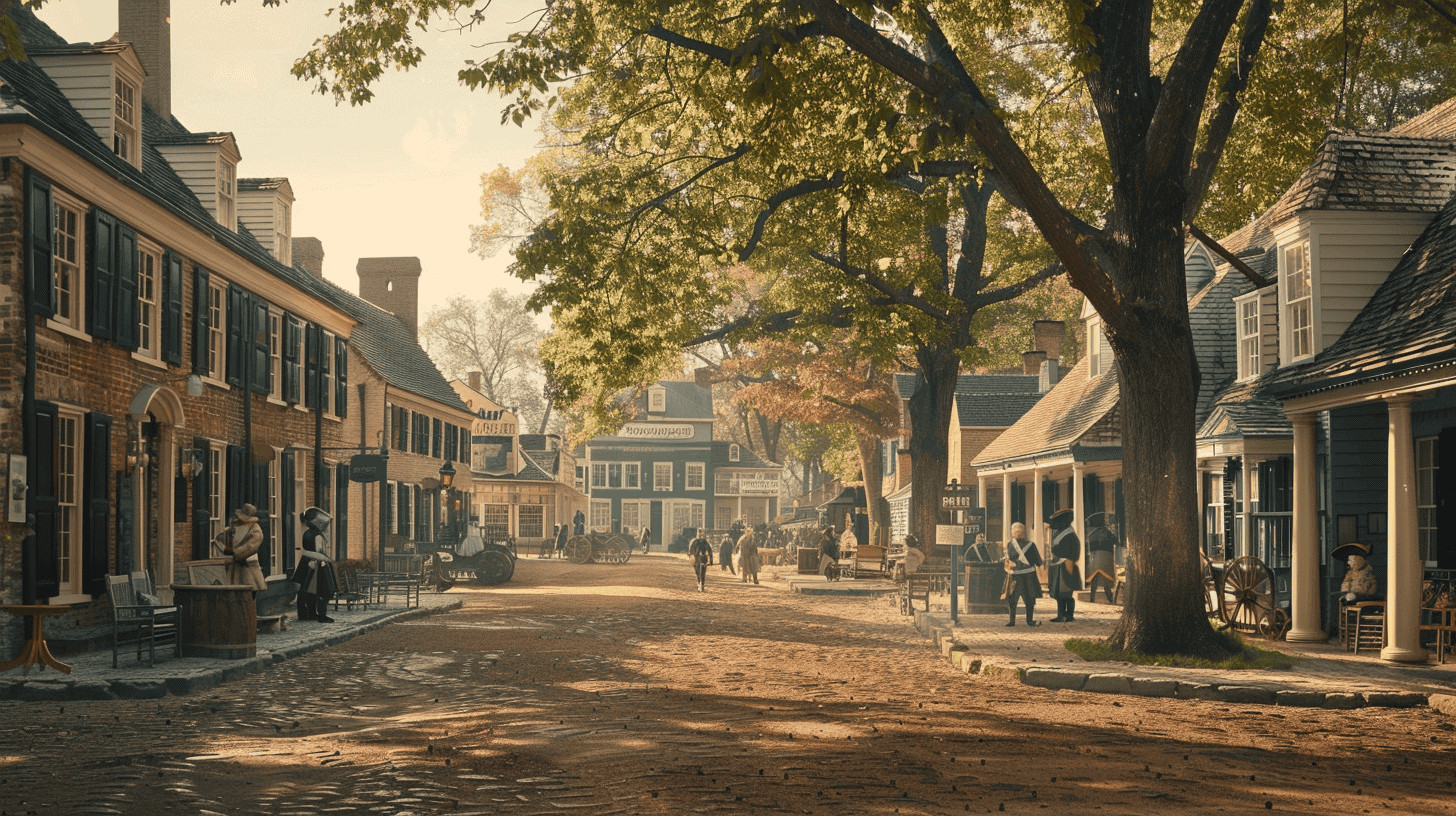
Step back into the 18th century at Colonial Williamsburg, an immersive living history museum that meticulously preserves Virginia’s colonial capital. With over 500 restored or reconstructed buildings, including the Governor’s Palace and the Capitol, the site comes to life with costumed interpreters reenacting daily life and historical events.
Visitors can watch tradespeople at work, participate in militia drills, and engage in discussions about the American Revolution, making it a must-visit for history buffs seeking a dynamic and educational experience.
Gettysburg National Military Park, Pennsylvania
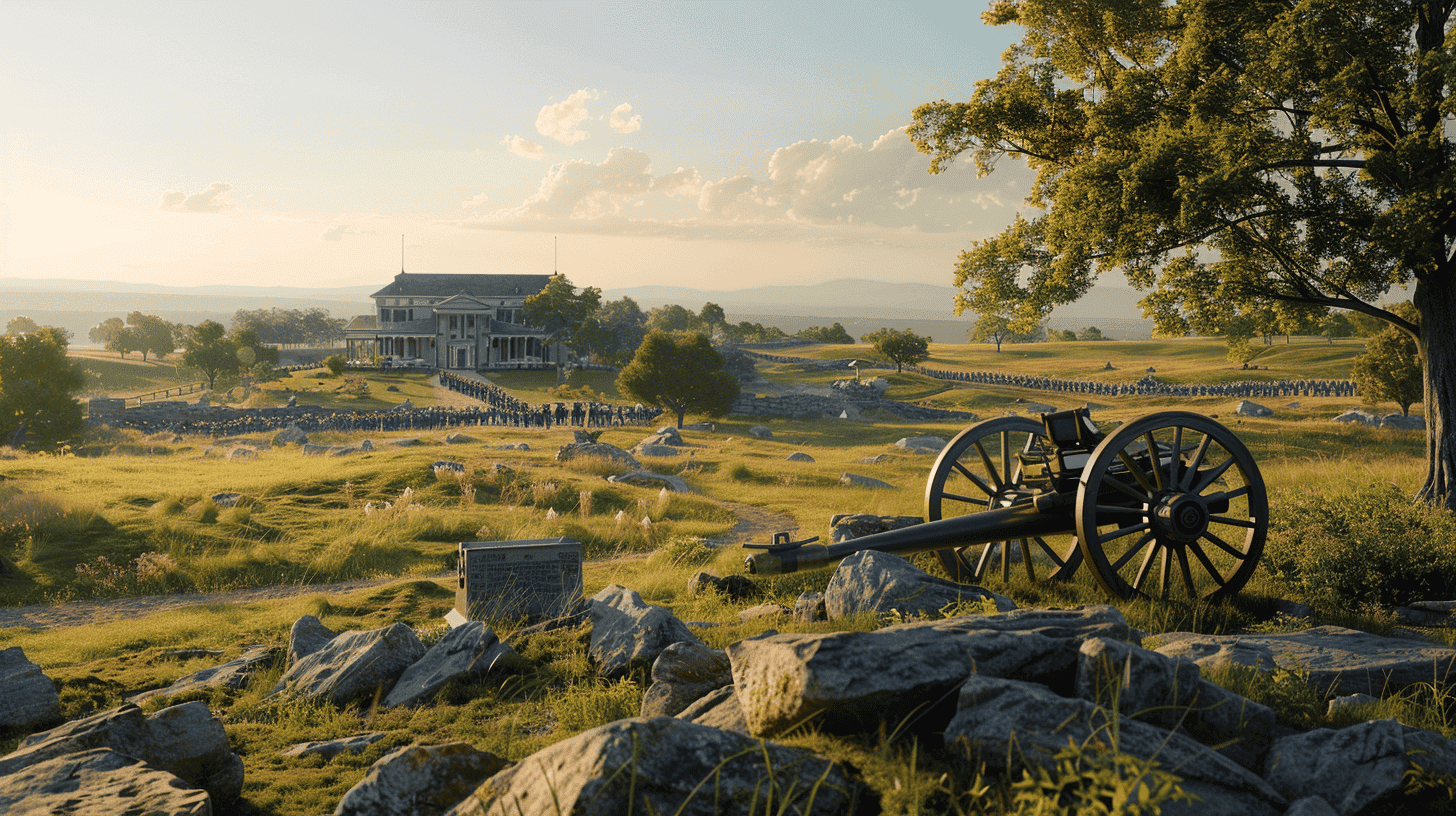
Gettysburg National Military Park is a sacred site where the pivotal Battle of Gettysburg took place in 1863, marking a turning point in the Civil War. Spanning 6,000 acres, the park features significant landmarks like Little Round Top, Pickett’s Charge, and Devil’s Den, along with over 1,300 monuments and memorials.
Visitors can delve into the history at the Gettysburg Museum and Visitor Center, which houses extensive exhibits and the impressive Cyclorama painting. Guided tours offer a deep dive into the battle’s strategies and personal stories, making it a must-visit for history enthusiasts.
Independence National Historical Park, Pennsylvania
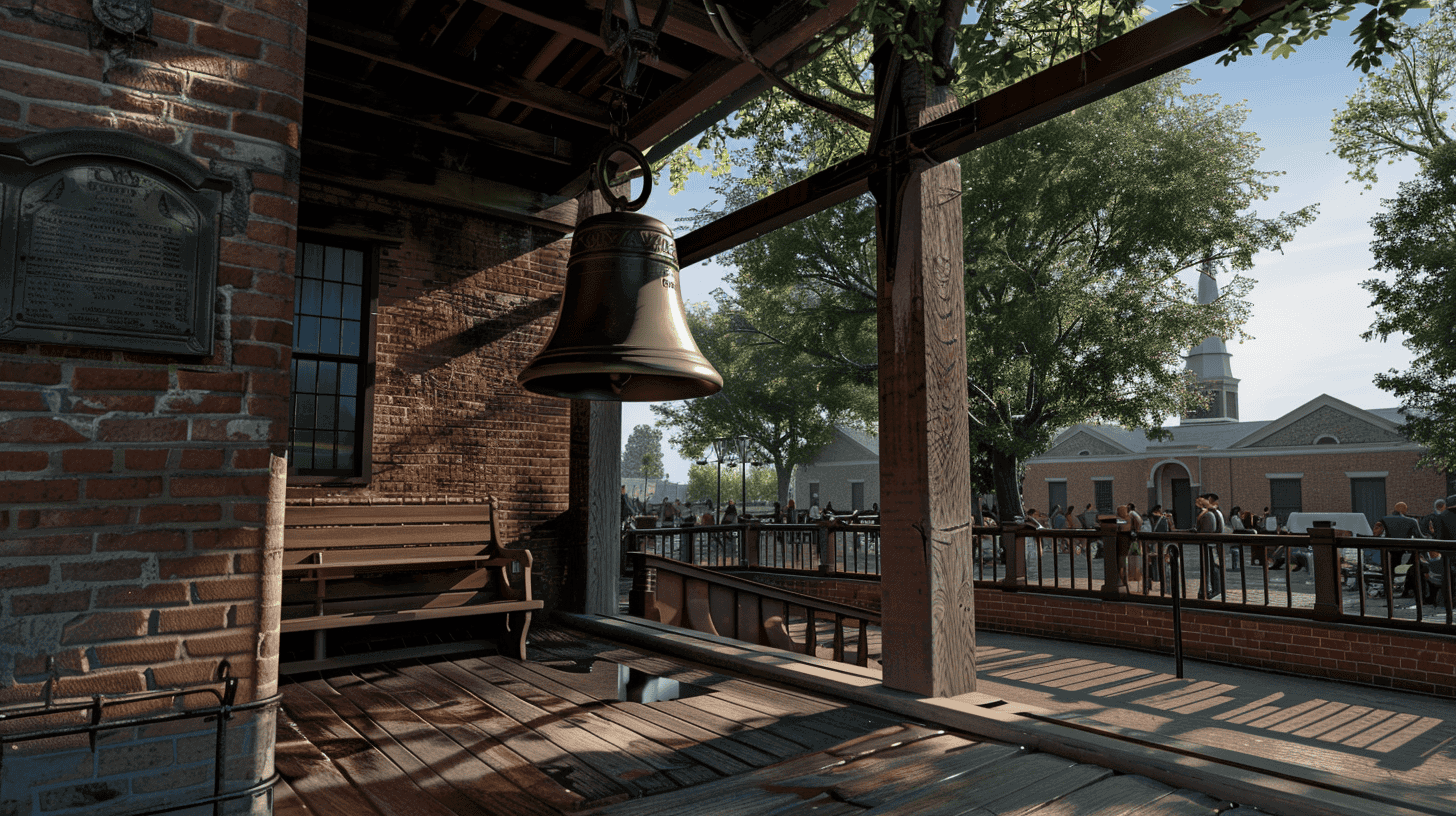
Often called the birthplace of American democracy, Independence National Historical Park in Philadelphia spans several blocks and includes pivotal sites from the American Revolution. At its heart is Independence Hall, where both the Declaration of Independence and the U.S. Constitution were debated and adopted.
Visitors can also see the iconic Liberty Bell, an enduring symbol of American freedom, and explore Congress Hall and the Benjamin Franklin Museum. This park offers a profound connection to the nation’s foundational moments and principles, making it a must-visit for history buffs.
Alcatraz Island, California
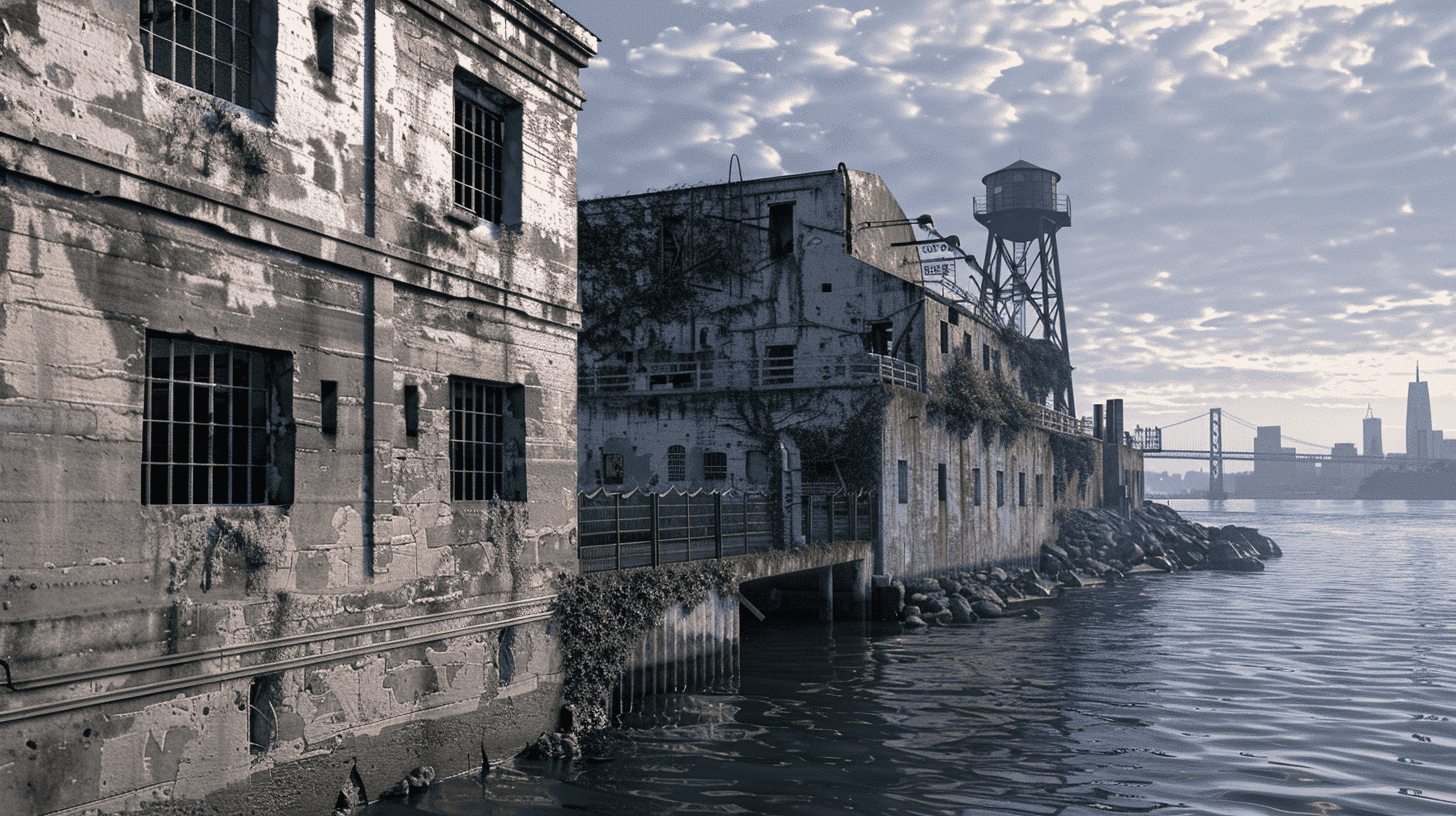
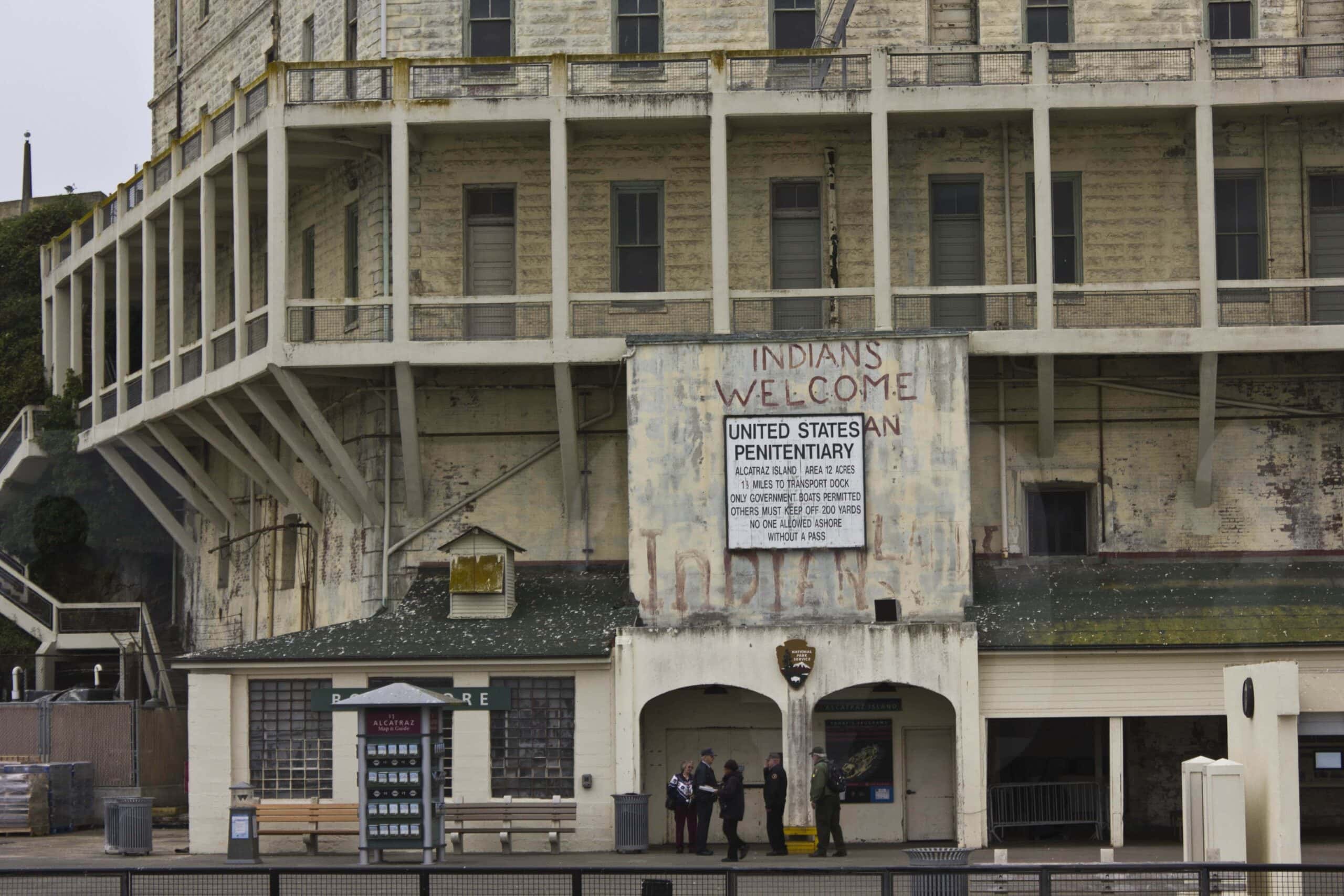
Alcatraz Island in San Francisco Bay is best known for its notorious federal penitentiary that housed infamous criminals like Al Capone and George “Machine Gun” Kelly from 1934 to 1963. Beyond its prison history, the island served as a military fort and prison before becoming an iconic site of Native American activism during the 1969-1971 occupation.
Today, the island is part of the Golden Gate National Recreation Area, offering guided tours of the prison ruins and stunning views of San Francisco. History buffs will appreciate the island’s multifaceted past and its role in shaping American history.
Mesa Verde National Park, Colorado
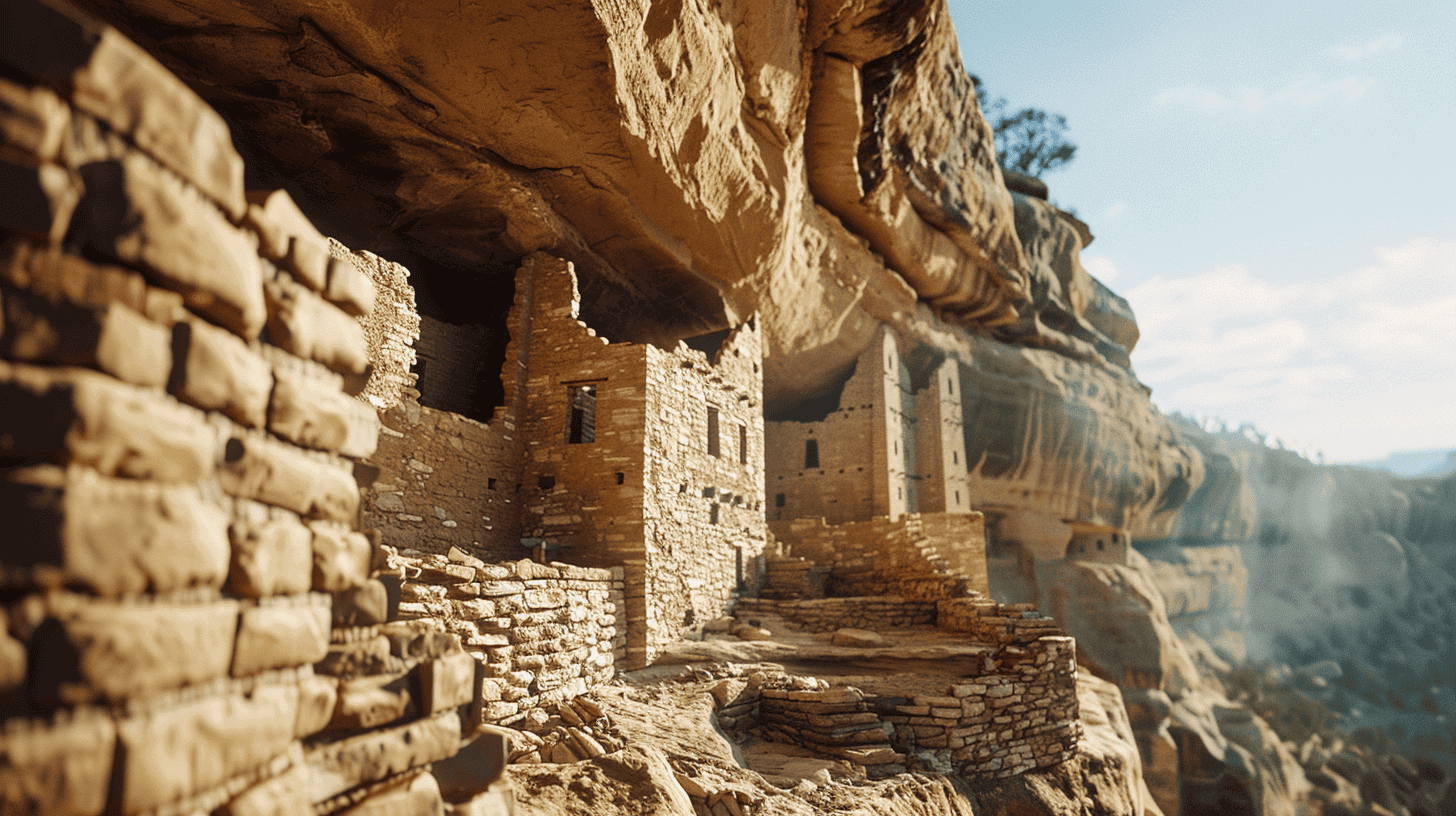
Mesa Verde National Park in southwestern Colorado offers a unique glimpse into the lives of the Ancestral Puebloans who lived there from 600 to 1300 AD. This UNESCO World Heritage Site is renowned for its well-preserved cliff dwellings, including the famous Cliff Palace, with over 150 rooms and 23 kivas.
Visitors can explore more than 5,000 archaeological sites, uncovering artifacts that showcase the advanced agricultural practices and craftsmanship of the Ancestral Puebloans. The park’s stunning landscapes and rich history make it a must-visit for history buffs and those intrigued by ancient civilizations.
Harriet Tubman Underground Railroad National Historical Park, Maryland
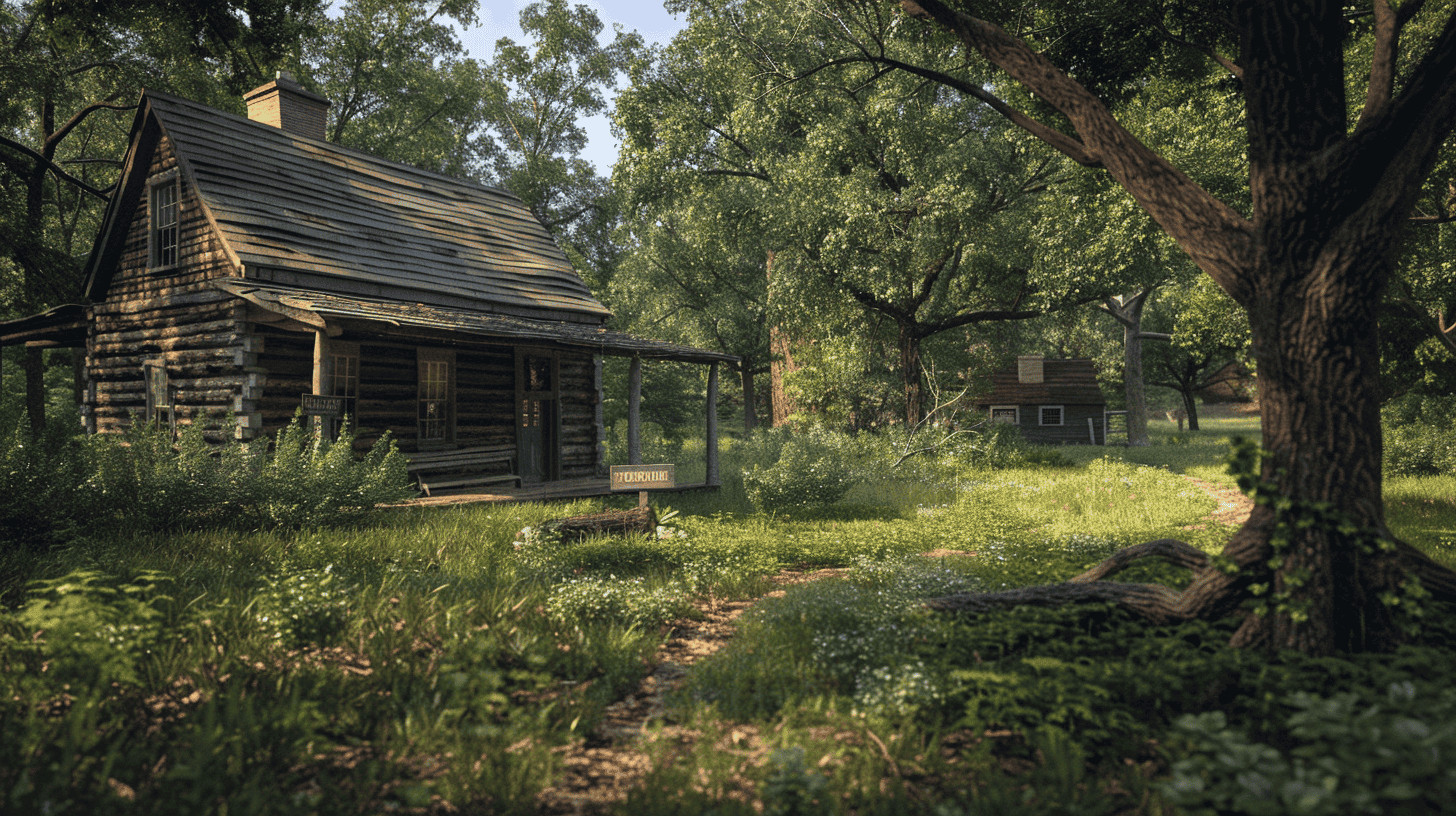
The Harriet Tubman Underground Railroad National Historical Park in Maryland honors the life and legacy of Harriet Tubman, a pivotal figure in the fight against slavery. Visitors can explore significant sites like the Harriet Tubman Visitor Center, the Bucktown Village Store, and the Brodess Farm, where Tubman was enslaved.
The park’s exhibits and interactive displays detail Tubman’s daring missions as a conductor on the Underground Railroad and her broader efforts in the struggle for freedom and justice. It’s a must-visit for history buffs seeking to understand the enduring impact of this American heroine.
Jamestown Settlement, Virginia
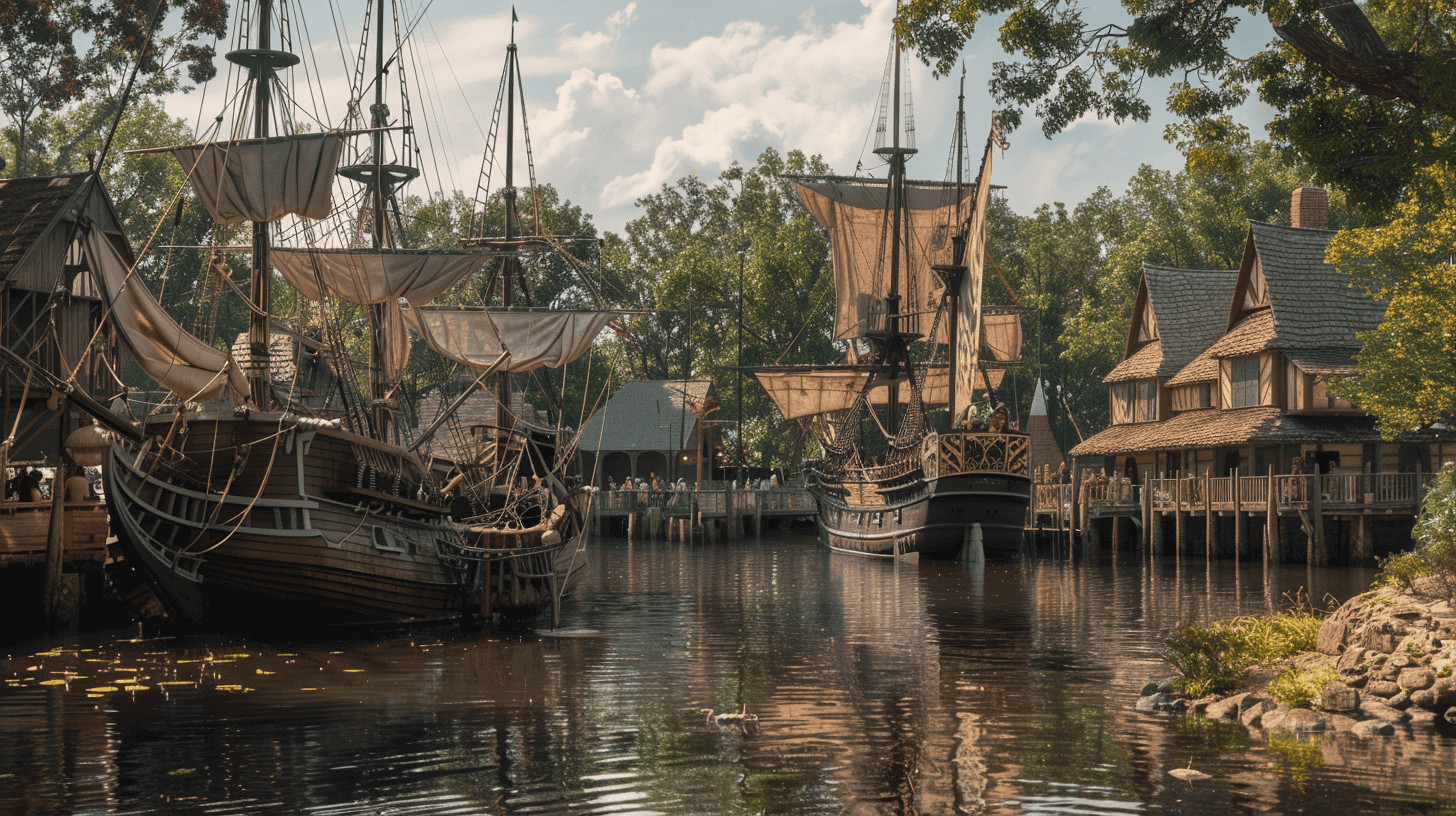
Jamestown Settlement in Virginia marks the site of the first permanent English settlement in America, established in 1607. This living history museum features full-scale replicas of the original ships, Susan Constant, Godspeed, and Discovery, offering a hands-on exploration of early 17th-century transatlantic travel.
Visitors can also tour a recreated James Fort and a Powhatan Indian village, where costumed interpreters bring to life the daily activities and interactions between English settlers and Indigenous peoples. The indoor museum features exhibits and artifacts that provide deeper insights into the early days of English colonization and its impact on Native American societies.
Little Bighorn Battlefield National Monument, Montana
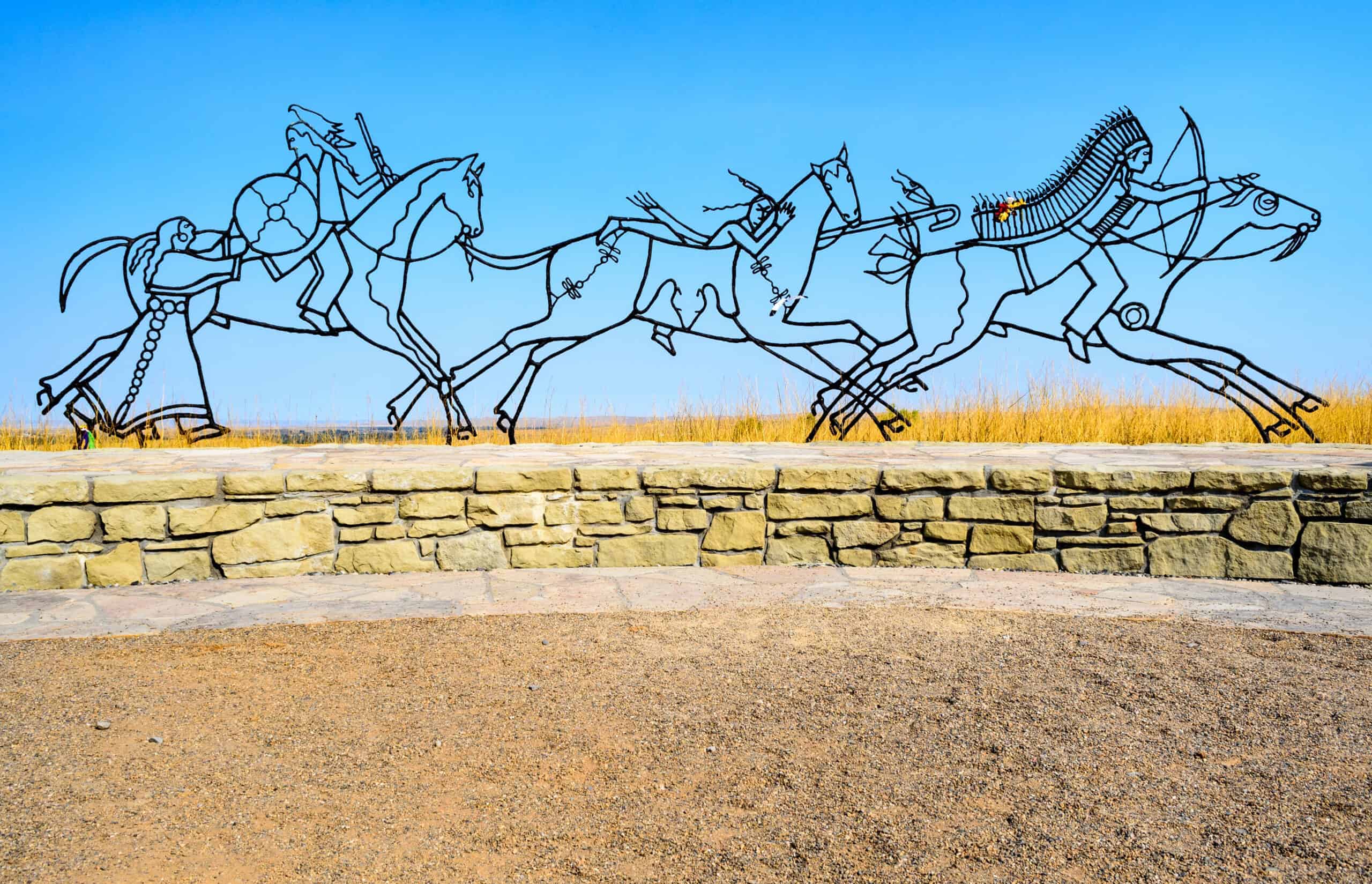
Little Bighorn Battlefield National Monument in southeastern Montana commemorates the iconic Battle of the Little Bighorn, also known as Custer’s Last Stand. Taking place on June 25-26, 1876, this battle saw the combined forces of the Lakota Sioux, Northern Cheyenne, and Arapaho tribes clash with the 7th Cavalry Regiment led by Lieutenant Colonel George Armstrong Custer.
Visitors can explore key sites like Last Stand Hill and the Indian Memorial, gaining insights into the bravery and sacrifices made by both Native American warriors and U.S. soldiers. The monument’s visitor center and museum provide a detailed context through exhibits and ranger-led tours, making it a must-visit for history enthusiasts.
The Wright Brothers National Memorial, North Carolina
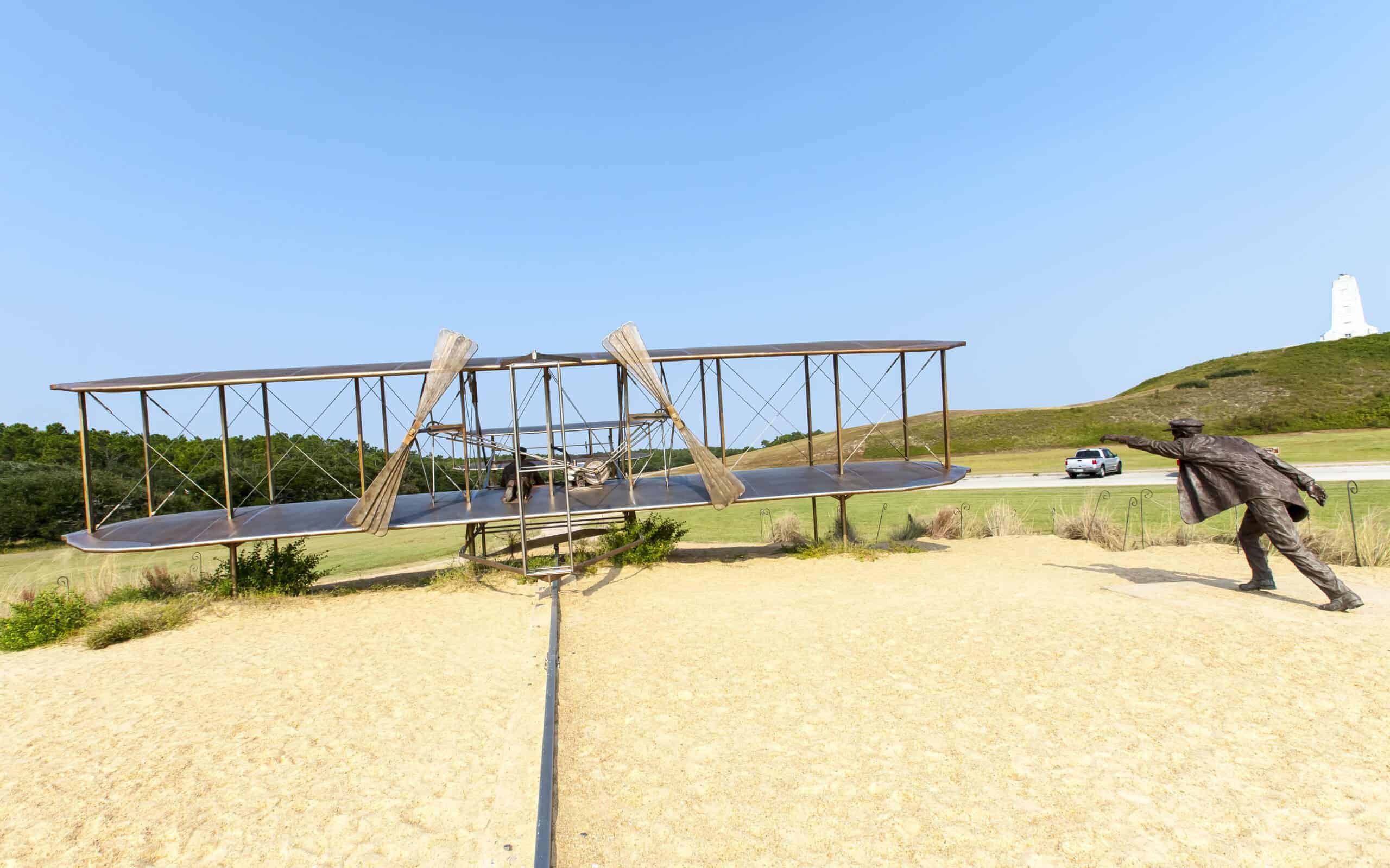
Located in Kill Devil Hills near Kitty Hawk, North Carolina, the Wright Brothers National Memorial commemorates the site where Orville and Wilbur Wright achieved the first successful powered flight on December 17, 1903. The memorial features a 60-foot granite monument atop Kill Devil Hill and reconstructed camp buildings where the Wright brothers lived and worked.
Visitors can explore the First Flight Boulder and Flight Line markers, which denote the exact spots of the historic flights. The visitor center offers exhibits, artifacts, and a full-scale reproduction of the 1903 Wright Flyer, providing a comprehensive look into the brothers’ journey from bicycle makers to aviation pioneers.
Salem Maritime National Historic Site, Massachusetts
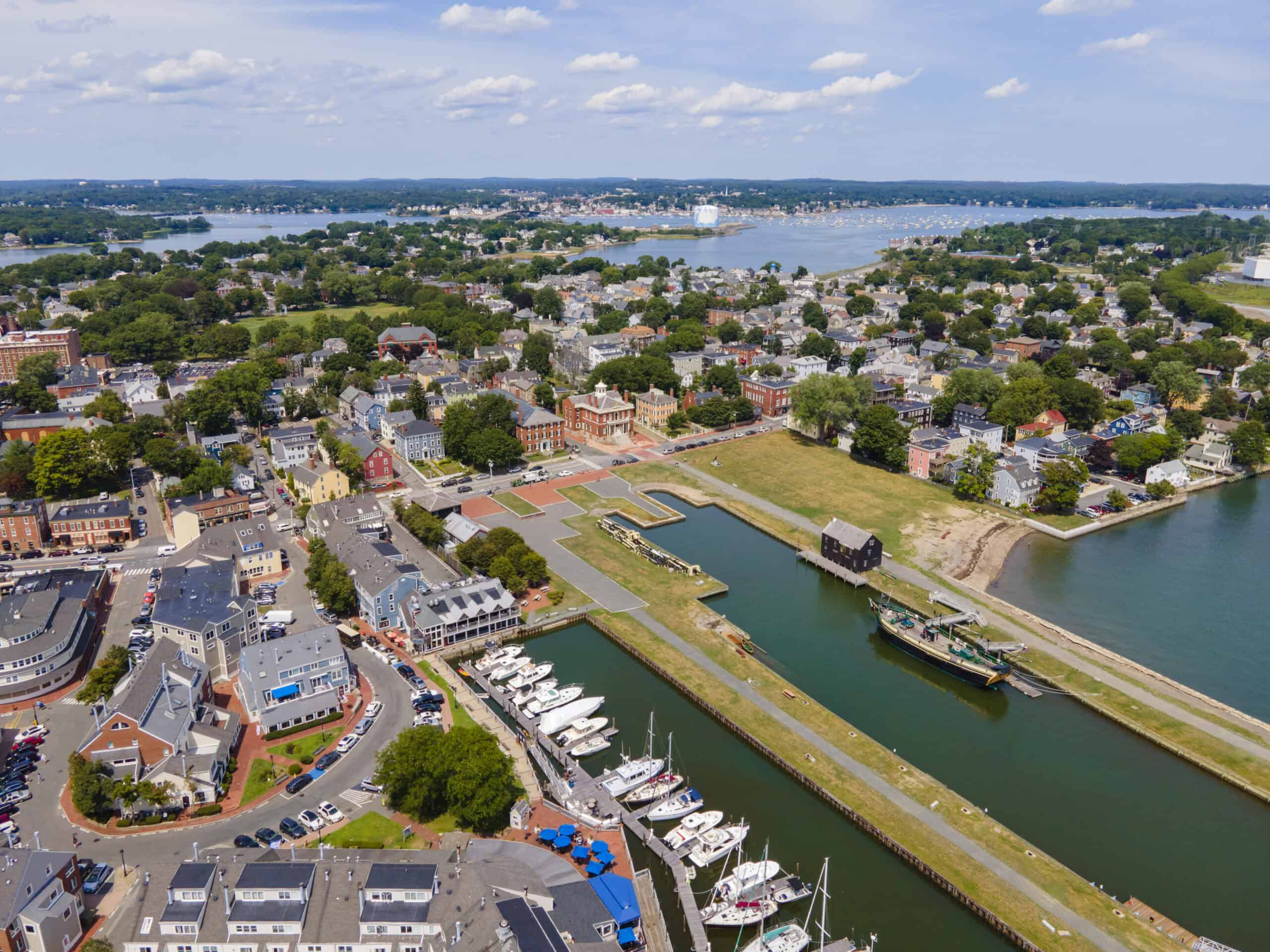
Salem Maritime National Historic Site in Salem, Massachusetts, is the first National Historic Site in the United States, established in 1938. This site explores America’s rich maritime history, showcasing Salem’s role as a key seaport in global trade during the 18th and 19th centuries.
Visitors can tour preserved buildings like the Custom House, Derby House, and the Narbonne House, and explore the Friendship of Salem, a full-scale replica of a 1797 merchant ship. The site’s educational programs, interactive exhibits, and guided tours offer a deep dive into Salem’s contributions to American history, from bustling trade networks to its cultural and literary significance.
Cahokia Mounds State Historic Site, Illinois
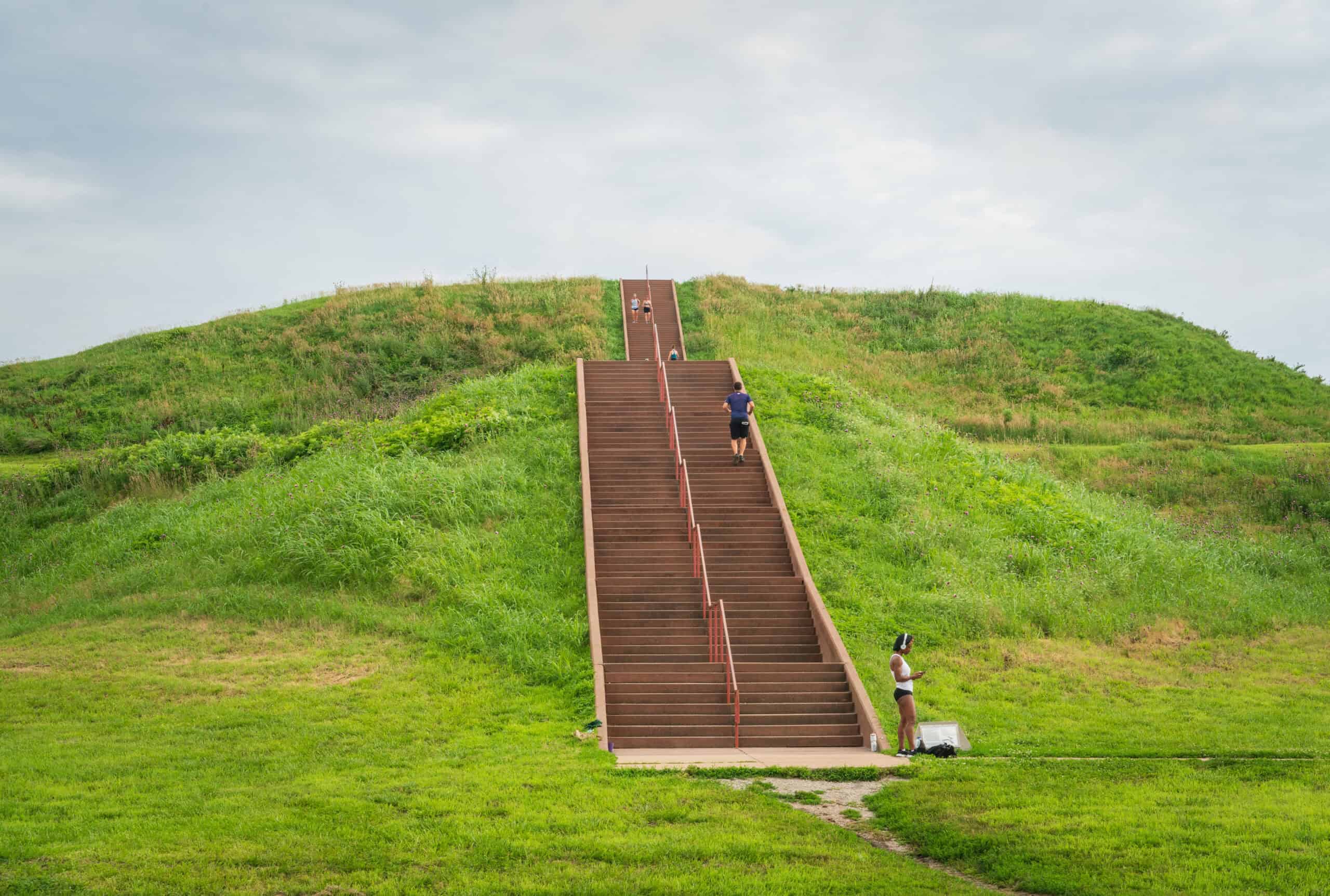
Cahokia Mounds State Historic Site in Illinois is a must-visit for any history buff. This UNESCO World Heritage Site is the largest pre-Columbian settlement north of Mexico, featuring around 80 mounds over 2,200 acres.
At its peak in 1100 AD, Cahokia was a bustling urban center with 20,000 inhabitants, complete with intricate trade networks and monumental structures like the 100-foot-tall Monks Mound. The site’s Interpretive Center and guided tours offer a deep dive into the sophisticated Mississippian culture that once thrived here.
Ellis Island and Statue of Liberty, New York
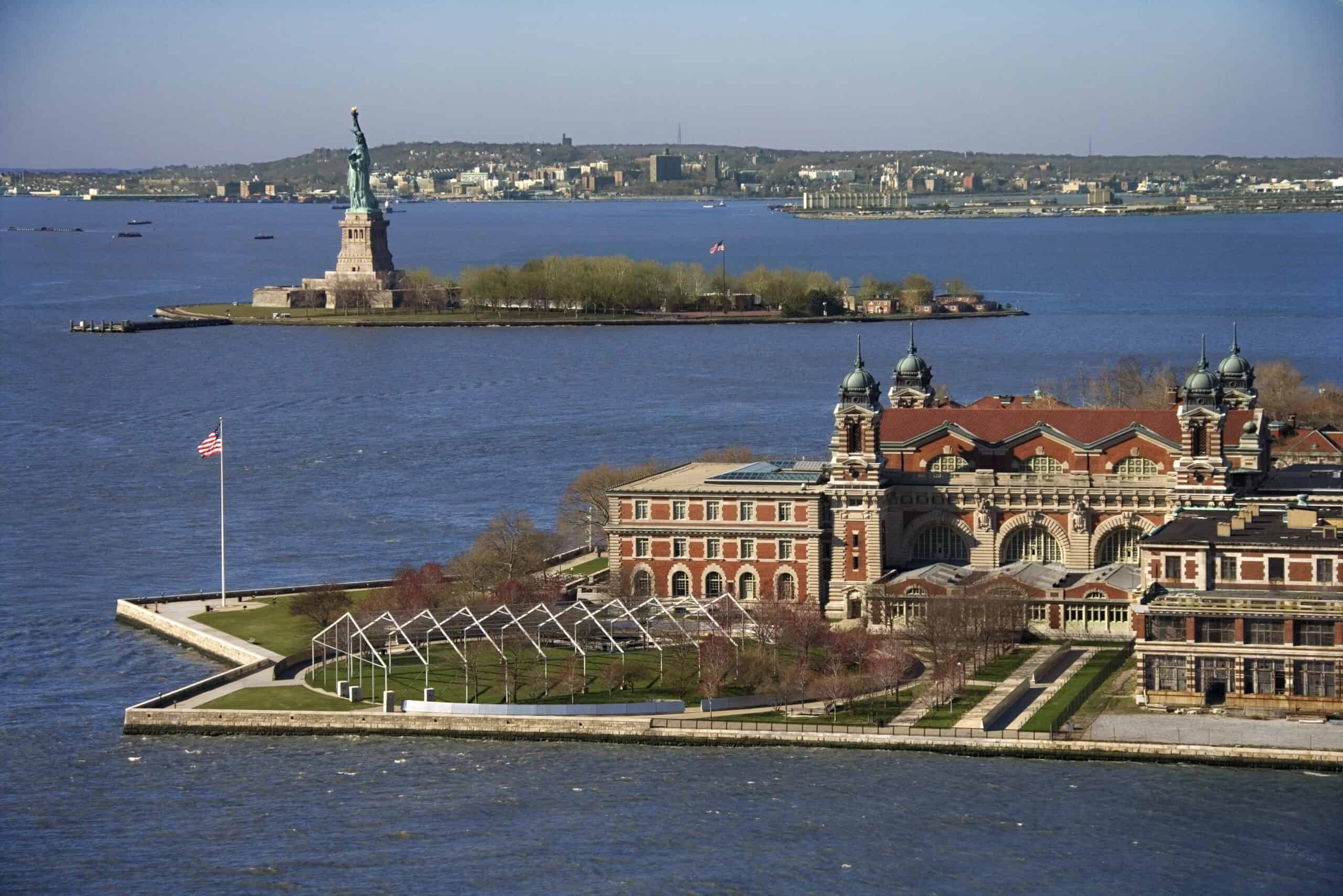
Ellis Island and the Statue of Liberty are two of the most iconic historical sites in New York Harbor, capturing the essence of America’s immigrant roots and ideals of freedom. Over 12 million immigrants passed through Ellis Island from 1892 to 1954, seeking new opportunities and the promise of a better life.
The Ellis Island National Museum of Immigration offers a rich exploration of these experiences through photographs, artifacts, and personal stories. Nearby, the Statue of Liberty stands as a timeless symbol of democracy and hope, inviting visitors to reflect on America’s enduring principles.
Fort Sumter National Monument, South Carolina
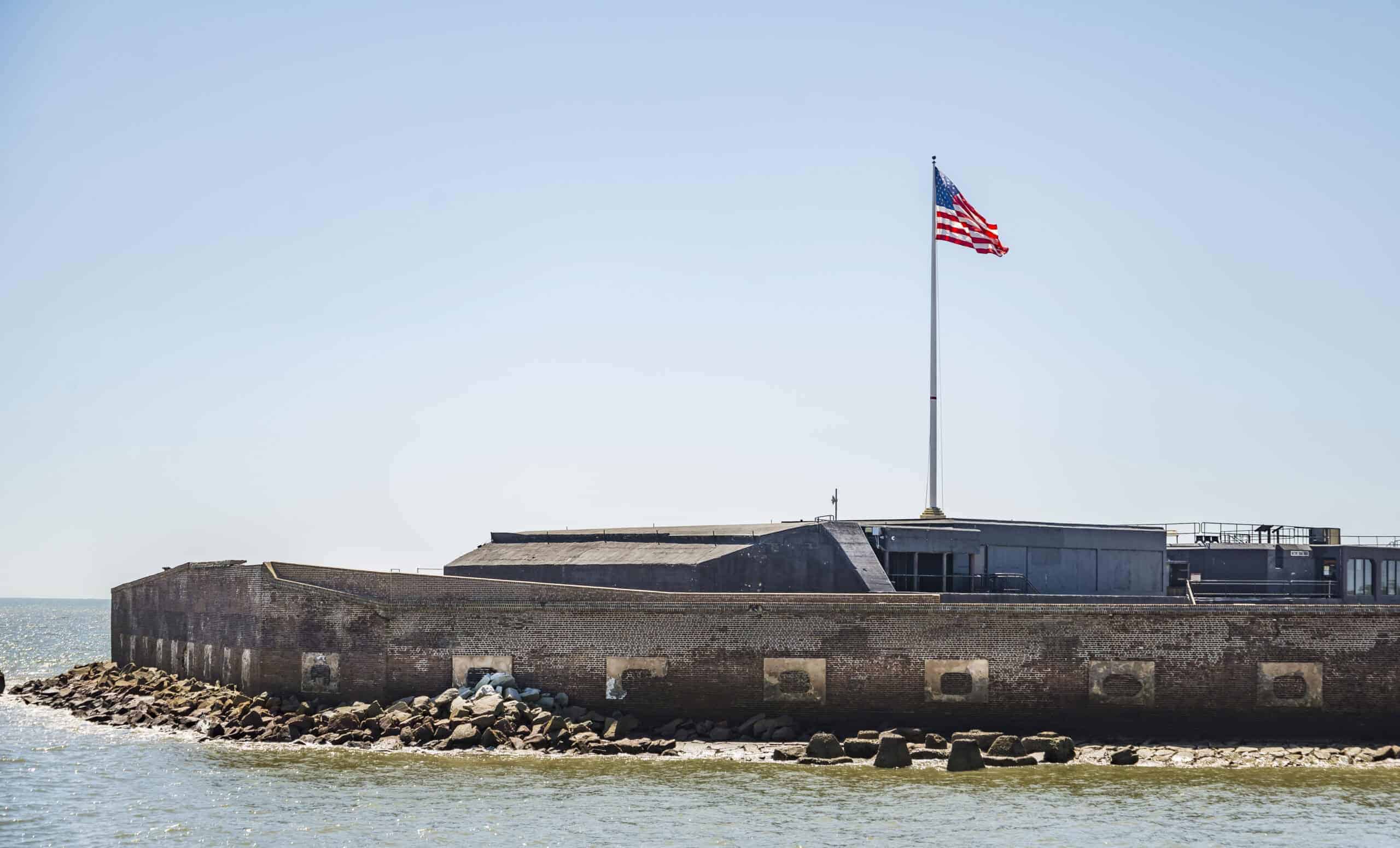
Fort Sumter National Monument in Charleston Harbor, South Carolina, is where the first shots of the American Civil War were fired on April 12, 1861, igniting a conflict that would shape the nation’s future. Visitors can explore the fort’s impressive remains and learn about its pivotal role in history through detailed exhibits and artifacts.
A scenic ferry ride to the site enhances the experience, offering views of Charleston Harbor and insights into the fort’s strategic significance. Fort Sumter stands as a poignant reminder of America’s past conflicts and the ongoing quest for unity and equality.
Lincoln Home National Historic Site, Illinois
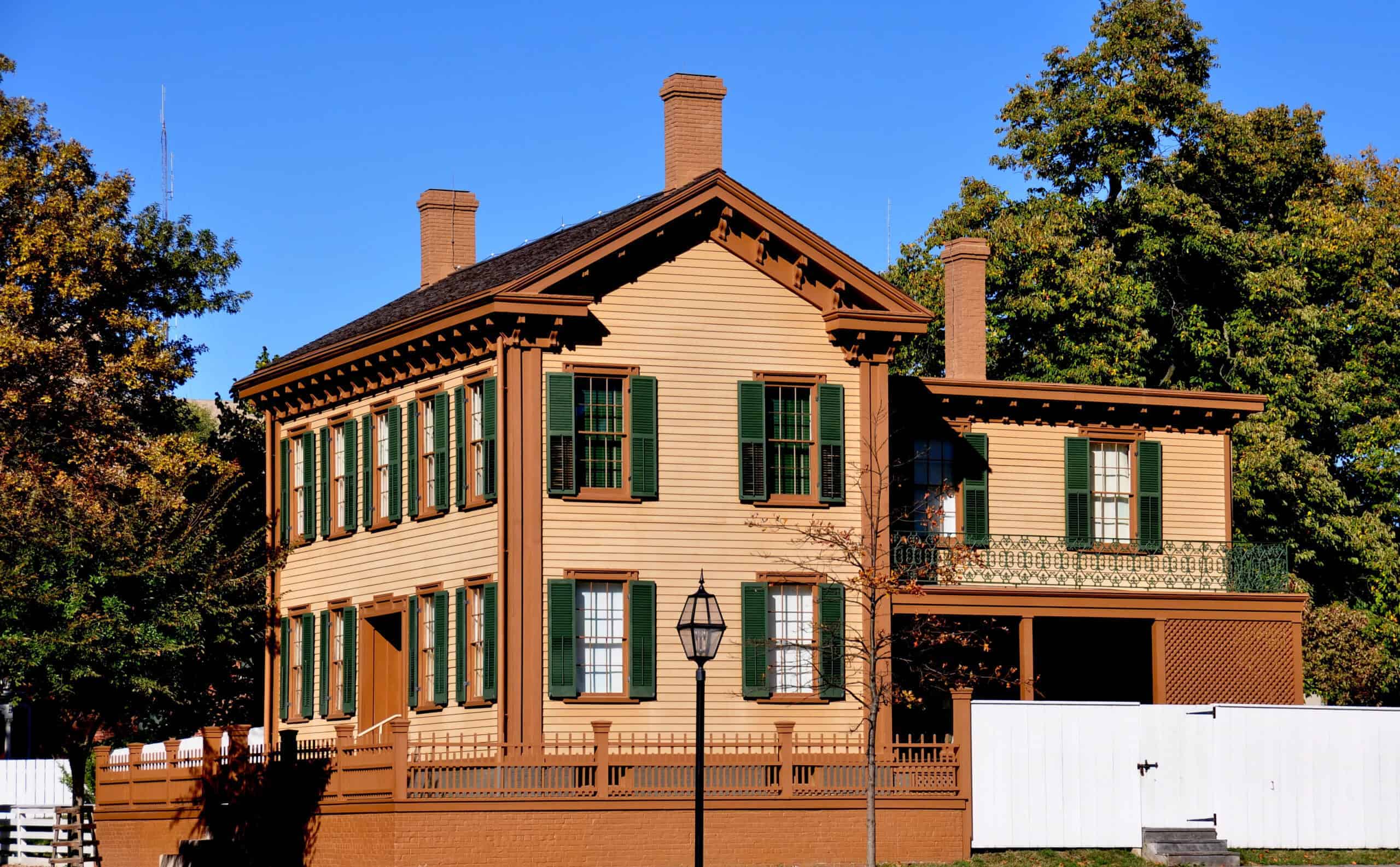
Lincoln Home National Historic Site in Springfield, Illinois, offers an intimate glimpse into the life of Abraham Lincoln before he became the 16th President of the United States. From 1844 to 1860, Lincoln lived in this well-preserved Greek Revival house, where he built his legal career and honed the political ideas that would shape the nation.
The site includes a meticulously restored home and a historic neighborhood, providing context to Lincoln’s daily life and the Springfield community of his time. Guided tours and interactive exhibits help visitors connect with Lincoln’s journey, his leadership, and his enduring legacy.
George Washington Carver National Monument, Missouri
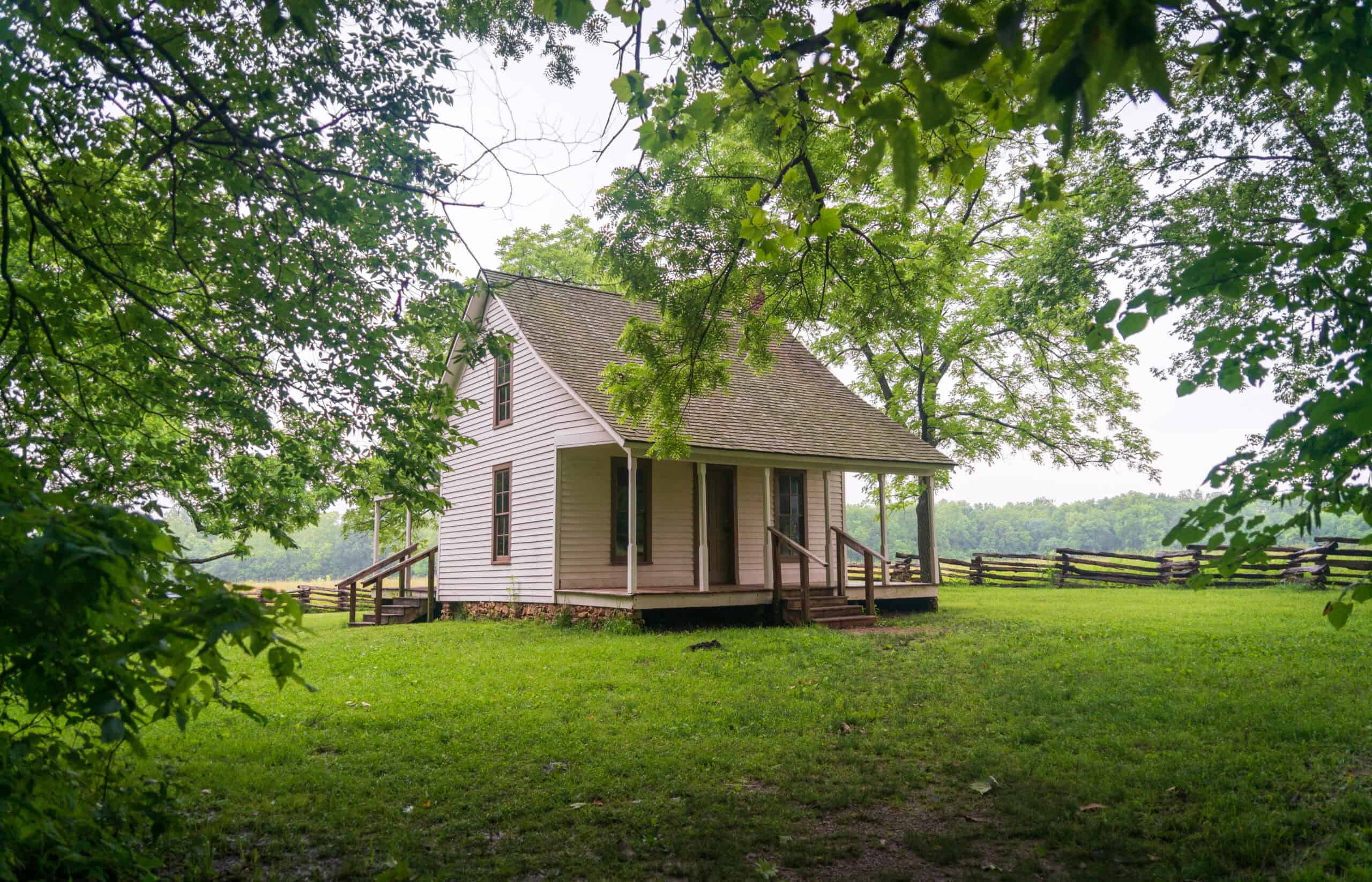
George Washington Carver National Monument in Diamond, Missouri, honors the legacy of one of America’s most influential agricultural scientists and inventors. Established in 1943, it was the first national monument dedicated to an African American, celebrating Carver’s groundbreaking work in sustainable farming and crop diversification.
Visitors can explore the 240-acre site, including the restored Moses Carver house and a visitor center with exhibits on Carver’s life and contributions. Scenic nature trails and educational programs provide a deeper appreciation of Carver’s remarkable achievements and enduring impact on agriculture and environmental stewardship.