Yellowstone deserves the attention it has received. It has an impressive amount of geysers and has become worthy of the hype. Almost all travel magazines have included it on their ‘must-do’ lists. However, if you’ve waited forty-five minutes to circle a full parking lot with a five-year-old who has to use the bathroom, you understand that “iconic” and “family-friendly” do not always mean the same thing.

The Caribbean for Less Than You Think
Up to 65% off + a resort credit + a free night at select Sandals resorts. 8 islands. 17 resorts. All-inclusive everything. See the deals →
With these eleven parks, you get great rewards without having to deal with Yellowstone-sized logistics. The trails are easier. There is more shade. There are shorter gaps in between snack breaks. Most of them even give you a fighting chance of actually finding a parking space before noon.
The U.S. National Park System covers more than 85 million acres across 63 designated national parks. Yellowstone sees around 4 million visitors a year. The parks on this list average a fraction of that traffic, which means shorter lines, quieter trails, and more room for kids to actually be kids.
1) Acadia National Park, Maine
The tide pools are at low tide, which provide a unique experience for kids.\ It is a free science lesson, and I was able to see my seven year old spend thirty minutes poking at crabs and answering science questions that I had no idea how to answer. He also enjoyed Ocean Path. It is an easy walk for younger kids, and has sufficient waves to feel the ocean mist there is no real danger.
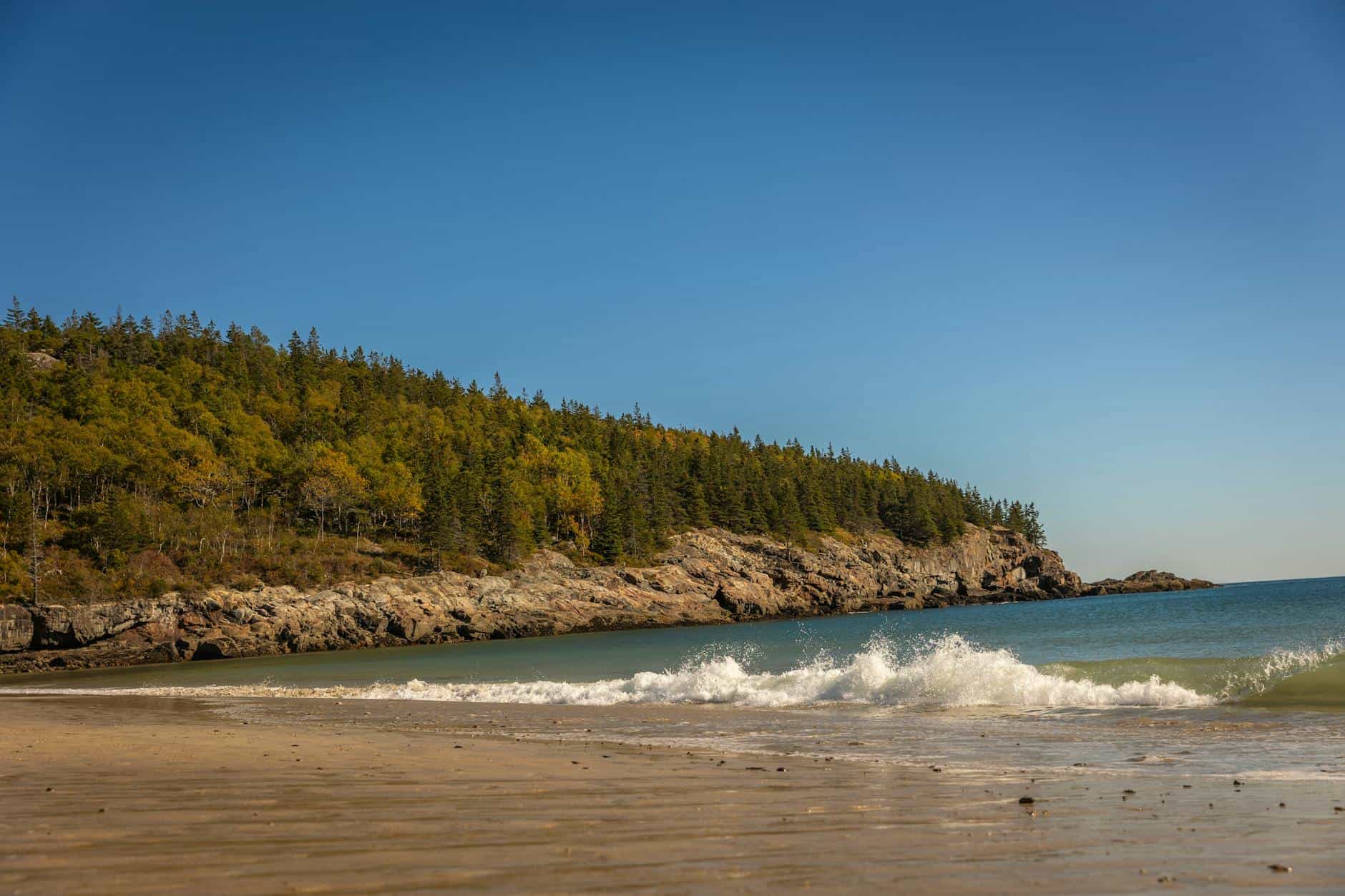
An example activity for small children is a walk along the Jordan Pond Path where you can count frogs as you walk along the shore. The flat areas are fine for strollers, but you may get wet, so wear water friendly shoes. There will be a snack break at the halfway point and since hungry kids make it hard to walk on pretty trails you may want to break out the snacks.
The park loop road is open seasonally and charges $30 per vehicle (an America the Beautiful annual pass also covers this fee). Parking fills by mid-morning (9:30) during the summer weekends. Bar Harbor is nearby for grocery and pizza which helped us out more than once. One honest heads-up: the carriage roads look smooth on a map but can stretch long for little legs, and the bugs in early summer mornings are no joke. Short stops, strict snack schedule, bug spray before you get out of the car.
2) Great Smoky Mountains National Park, Tennessee/North Carolina

No entrance fee. That’s right, it’s free! I get surprised every time because of how beautiful and large this park is.
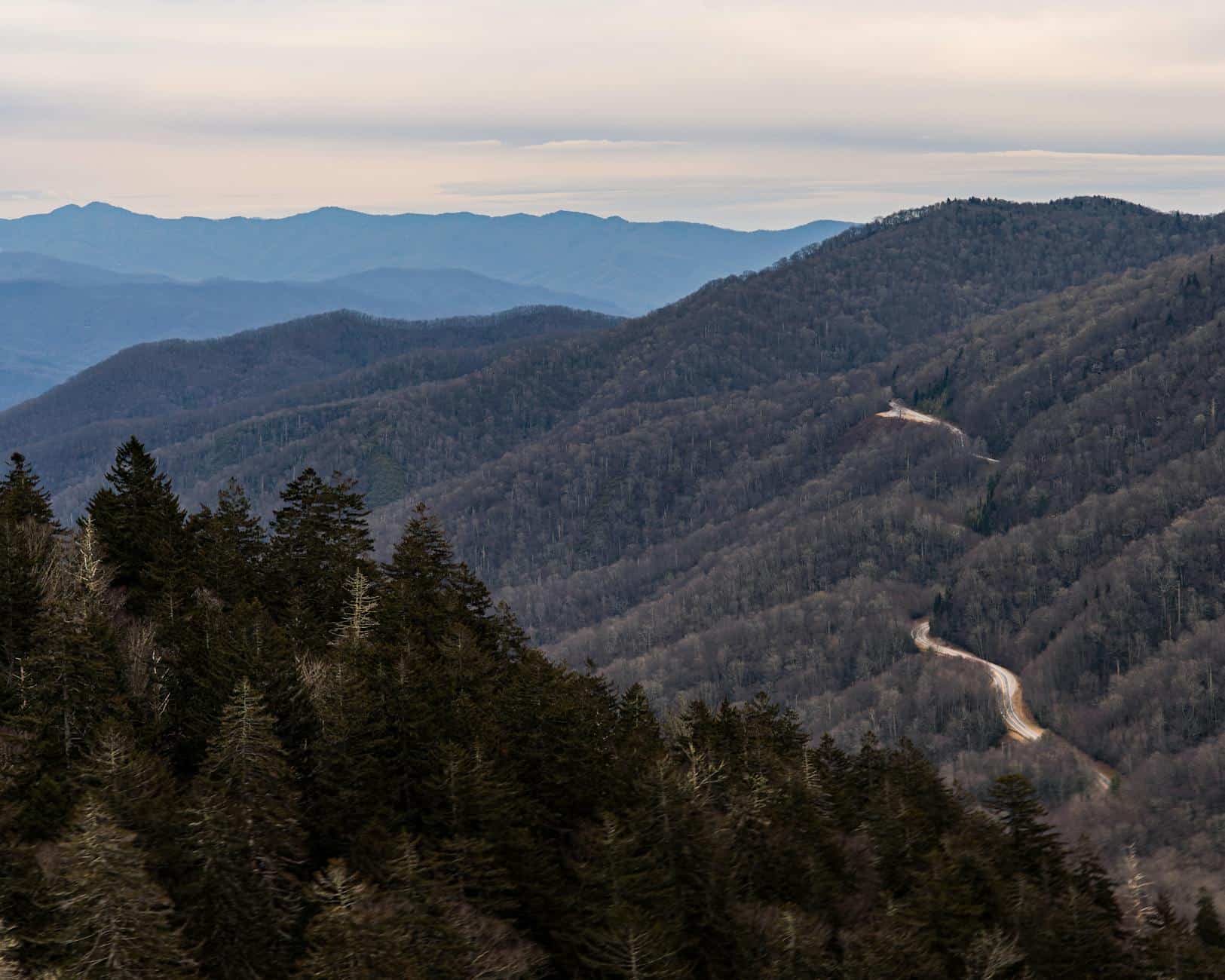
I’ve figured out that my kids will walk a lot further for a glacier mint than they will for a viewpoint, so I have started bringing both. For families with younger children, Laurel Falls is a good option because there is a paved path so the distance isn’t too far and the kids will feel like real hikers at the end of the hike, plus there won’t be any parents who need to carry kids. Kids ages three to ten can do it with no issues and older kids will have the opportunity to start exploring other parts of the Appalachian Trail if they want to.
If you plan to arrive at a trailhead, set your expectations early because most trailhead parking fills up quickly on summer weekends. The nearest towns that offer both grocery and restrooms are Gatlinburg and Cherokee. Be aware that cell service can become unreliable and/or nonexistant within the park so it is best to designate a meeting location before someone gets too far away. No one is likely to tell you, but smoke from remote controlled burns or other fires can be present during the summer evenings and it can be unexpected to encounter this smell at a location that is not designated to be near a fire.
3) Congaree National Park, South Carolina
The old-growth forests seen in movies can be a reality today! At Congaree National Park, you can experience a forest without having to get muddy! With a 2.4-mile boardwalk loop, the park allows you to experience the forest at eye level. I wheeled my baby stroller onto the walkway and my 7-year-old daughter played the role of a nature-documentary narrator as she identified various massive tree roots and large leaves.
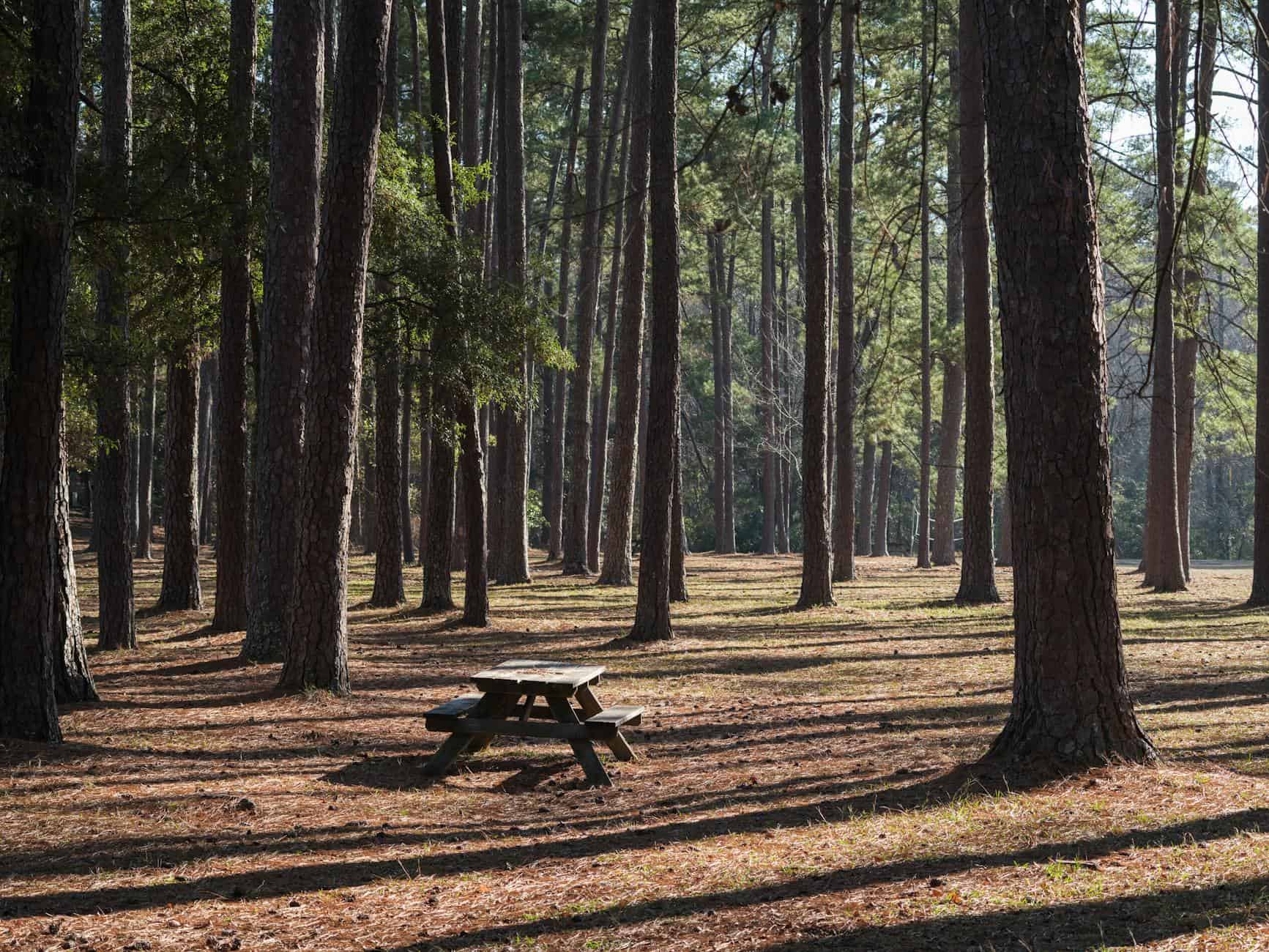
If your kids are 6 and above and you are looking for the most unique experience, consider renting a canoe to paddle across Cedar Creek. Keep an eye out for bald cypress. Cedar Creek is a tricky paddle, so choose your days wisely, and be sure to have one parent in charge of steering the canoe. It’s a good idea to manage your expectations. Paddling with kids comes with a lot of patience and humor!
An entry fee is not required to get into the park, but be sure to arrive early as the Visitor Center fills with weekend parkers. The park is located 25 miles outside of Columbia so be sure to load the cooler before you leave. After your first visit, remember that the forest’s humidity and presence of bugs are not affected by rain. The mosquitoes are persistent, so come fully prepared with bug spray and long sleeves.
4) Skyline Drive and the Short Hikes of Shenandoah
Families enjoy Shenandoah National Park because of the Skyline Drive. This drive cuts down on the amount of work needed by the family as it allows for easy access to the pull offs. There is no need to wait more than 10 minutes for a lookout, a stretch, or a snack from the back seat. Kids that normally would not be able to handle a long summit hike will feel accomplished! End of the season cleanup plans can be underway!
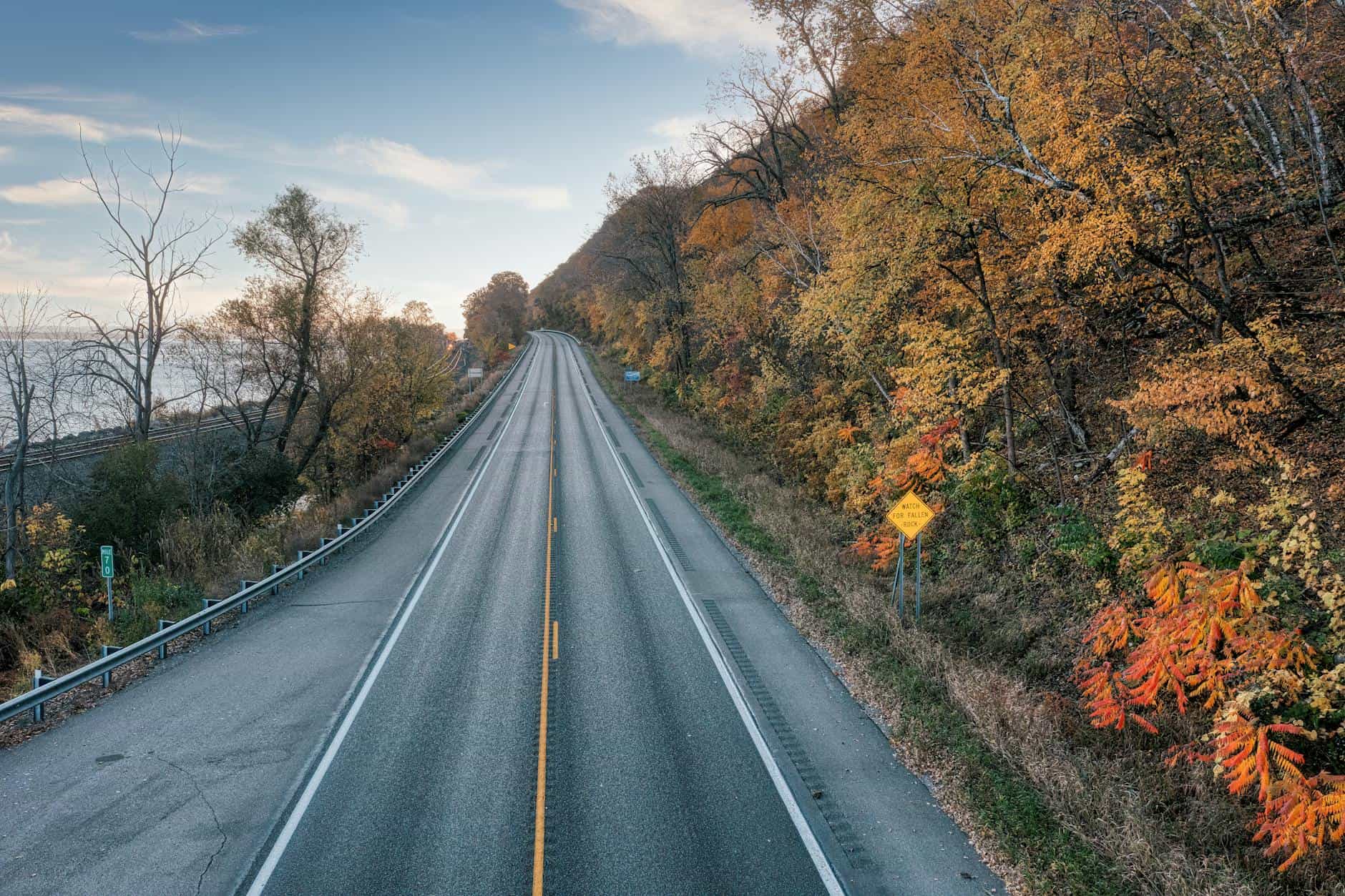
If I’m recommending the best trail for younger kids, it will always be the Limberlost Trail. It has a manageable distance, plus it is flat (most of it is boardwalk). My seven-year-old completed the trail without asking to be carried, which is my measure of a successful trail. Entrance is per vehicle, so you can grab a pass at the gate. Download the map before you lose signal – cell service is really bad on the drive. Luray and Charlottesville are about 30 minutes to 45 minutes drives away from grocery and gas stations.
Some of the overlooks have very small parking lots that fill up before mid-morning. If your kid needs shade or a quieter moment, stops later in the afternoon are usually better.
5) Gateway Arch National Park, Missouri
My seven-year-old thought counting bridges over the Mississippi River was the best way to spend the entire tram ride up the Arch. When it comes to the tram ride up the Arch, the tiny, cramped pods feel reminiscent of 1960s space movies, and that’s why the ride is so entertaining.
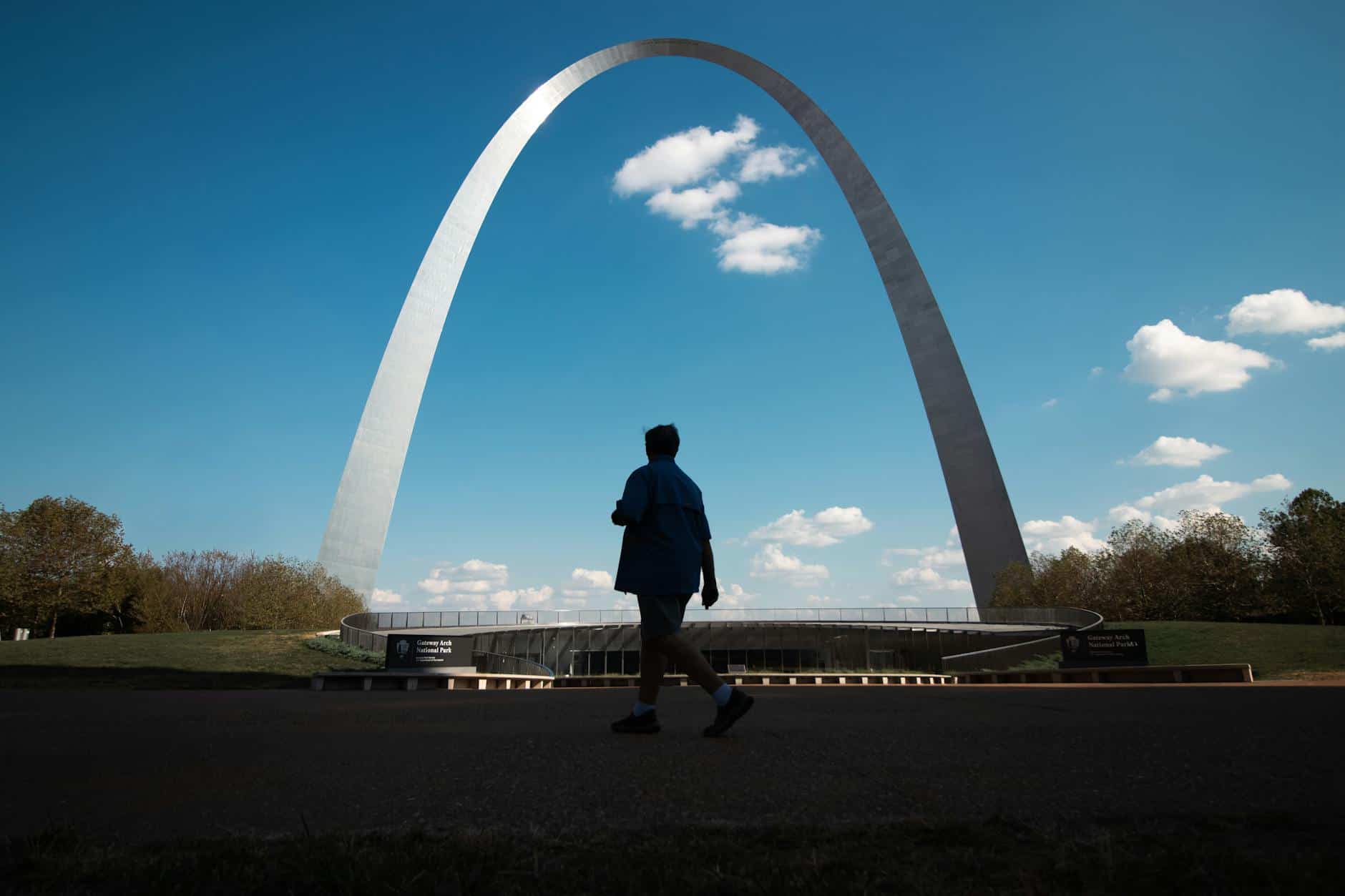
Families who want to keep moving can enjoy the Riverboats at the Gateway Arch. It offers a kid-friendly cruise where they can move around and watch close barge passes and spot river life without any hiking. It is a good choice for kids who tire out at overlooks.
Parking consideration is a priority. Getting there early is key. Plenty of spaces? Not a chance. Head to the paid lots or put your quarters in the city meters and hope the fines don’t catch up to you. Getting into the park is free, but the tram and riverboat tickets can sell out on busy weekends so book ahead. Expect long security lines, and a hot and sunny day so bring your stroller that folds up quickly. It is a city park experience, so don’t expect wilderness.
“The best national park for your family isn’t the most famous one. It’s the one where the parking lot doesn’t break you before you’ve even seen anything.”
6) Bryce Canyon National Park, Utah
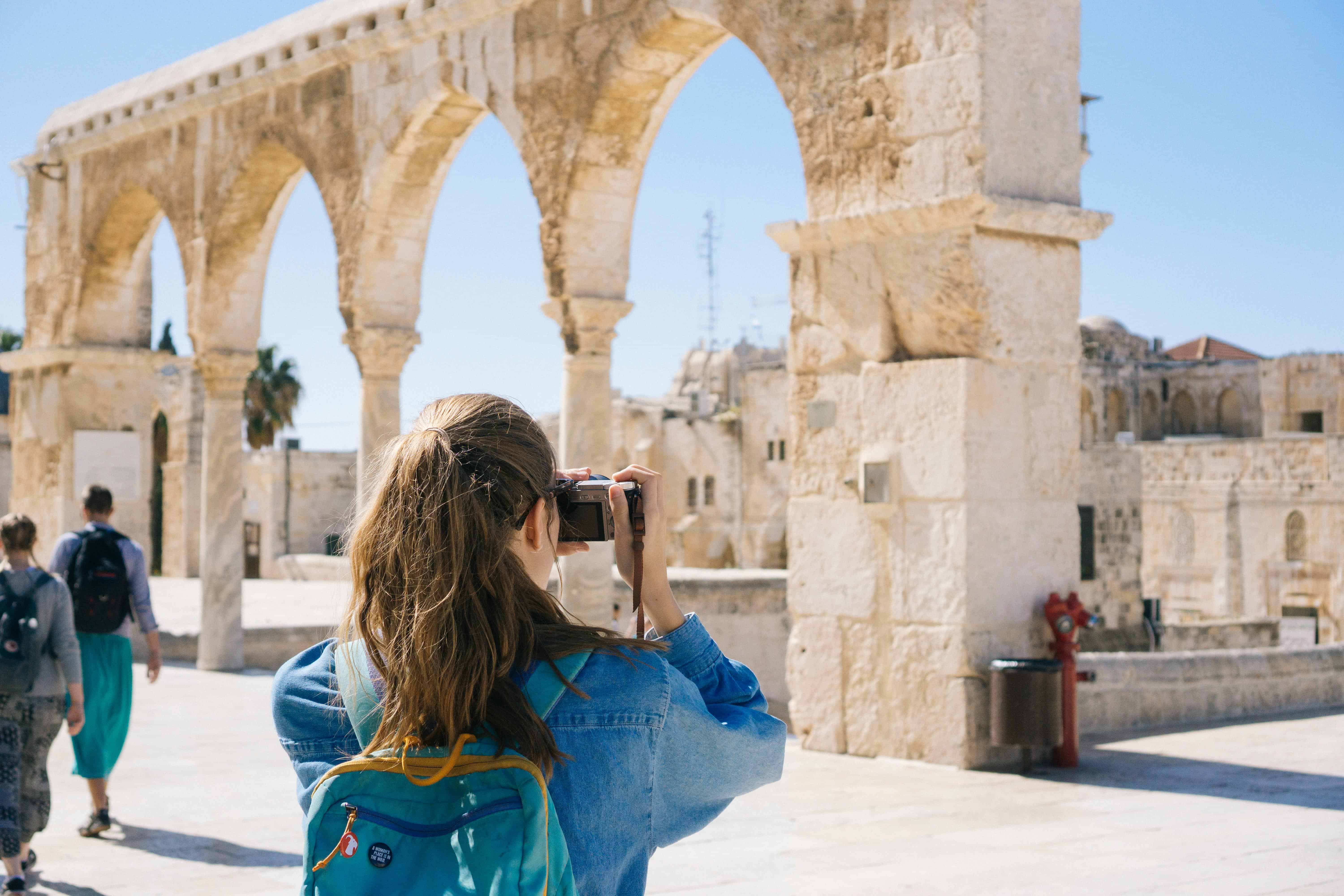
Hoodoos are the coolest thing a kid can see. Bryce Canyon’s kid friendly geological formations are the coolest. You can get closer than you would on most hikes.
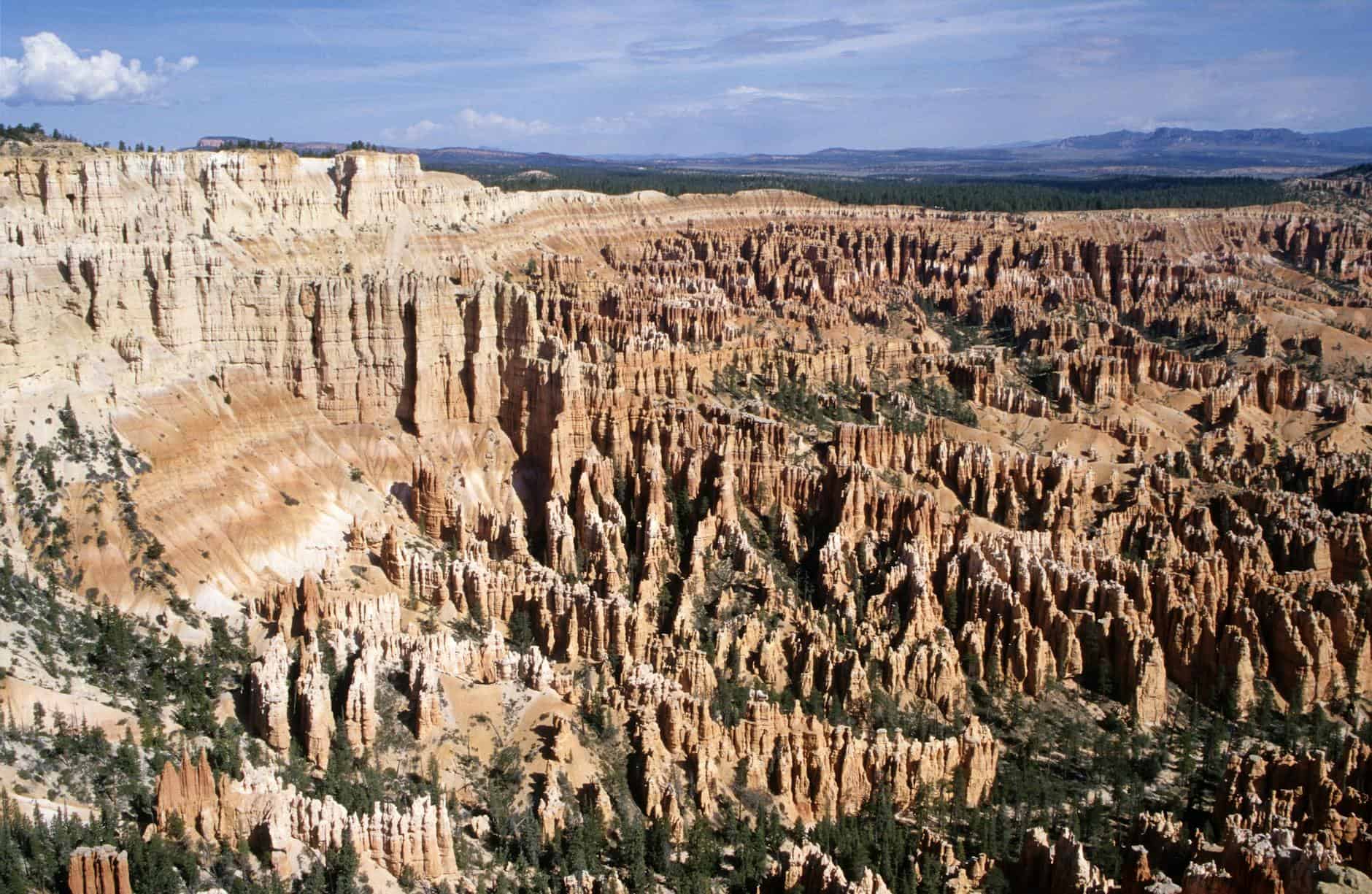
The shorter version of the Navajo Loop is about 1.3 miles long, and has steep switchbacks that add more altitude with every step. My seven-year-old was able to make it, but the altitude and steepness add fatigue faster than you expect. Good shoes and lots of water are a must. Be ready to take more breaks than you expect.
With summer comes staggering crowds at the Bryce Canyon National Park and so do the early fill-ups at the Sunrise and Sunset Points parking lots. Be prepared for the possibility of arriving early to secure parking. Supplies can be picked up five minutes away at the Bryce Canyon City general store, but be advised that morning temperatures can drop to the low 40s, even in July. Establish no-touch rules before you leave your car as kids will want to touch the formations and get as close to the edges as they can.
7) Badlands National Park, South Dakota
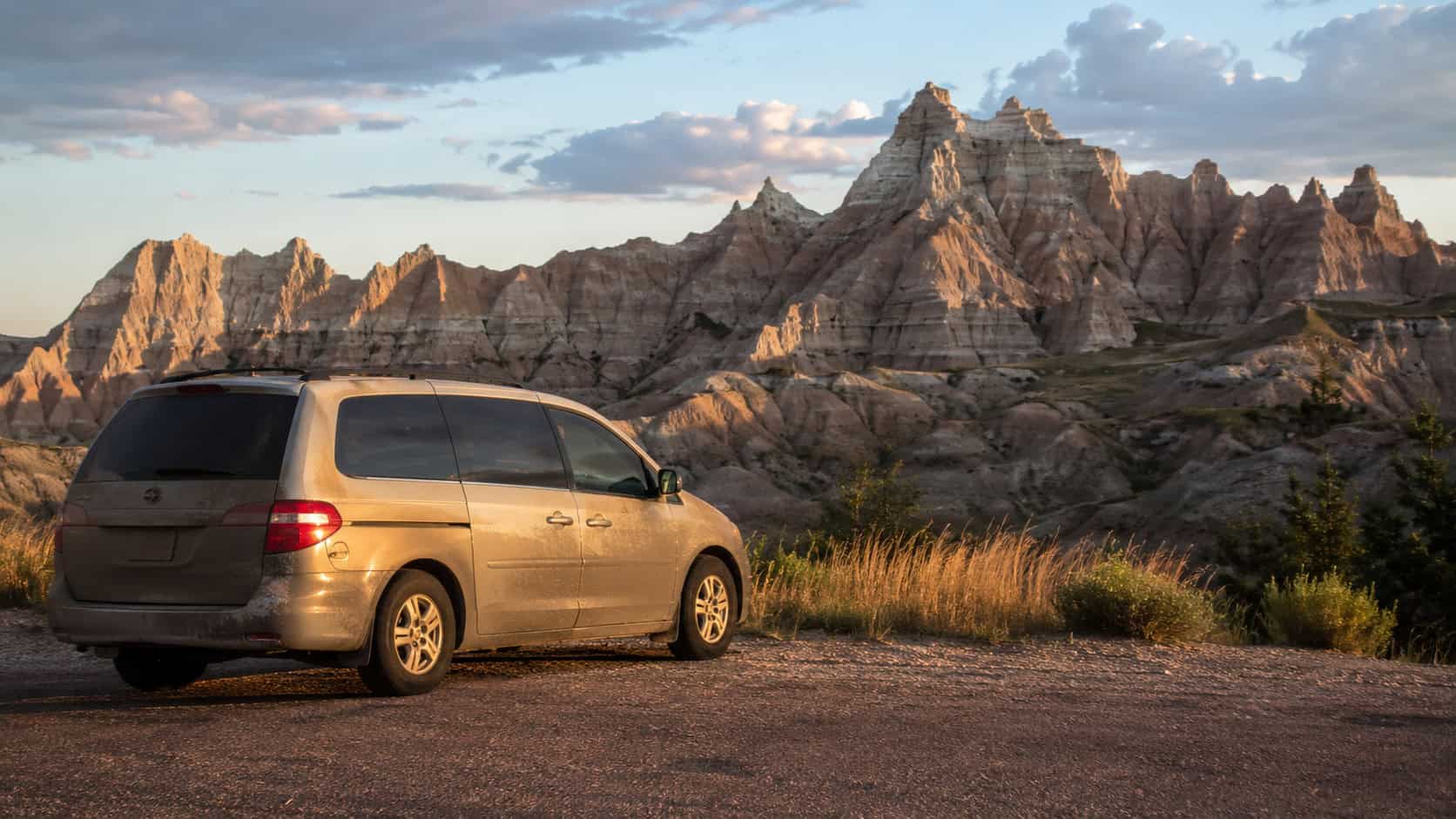
Kids scrambling on soft rock formations seems to bring a unique and joyful glee. The Badlands National Park seems to deliver this joy on a gigantic scale without a requiring full day of hiking. With rock scrambling and climbing areas galore, I gave my seven-year-old ten minutes on the Lower Fossil Area formations while I watched from a few feet away. Simple, adventure-like formations.
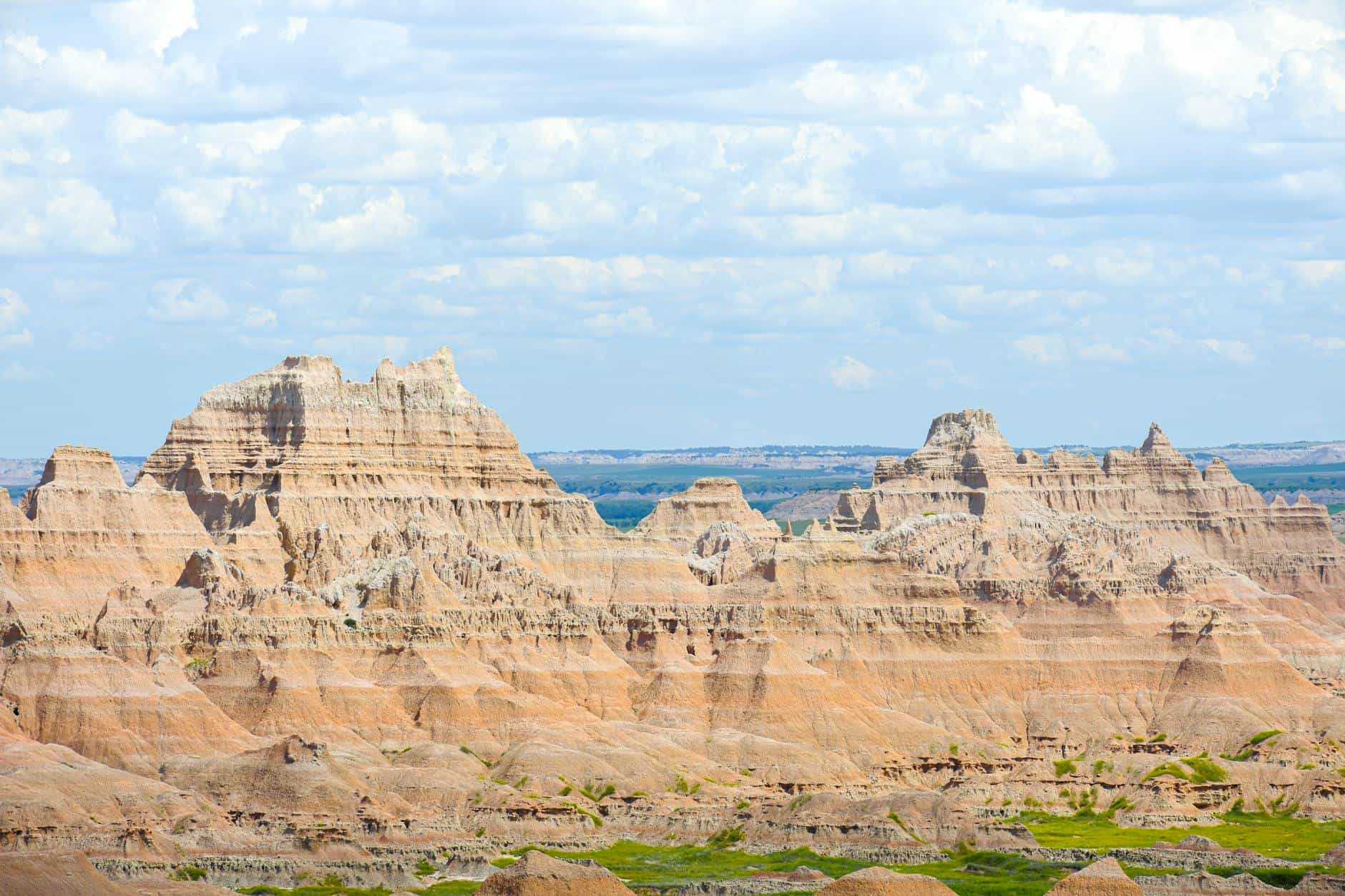
The Notch Trail is great for kids aged seven and up. It satisfies the thrill-seekers and adventurous kids looking for something a little more challenging as there is a short ladder climb with some exposure. Just be honest with yourself and your kids about their comfort with heights if you want to tackle that section of the trail.
The Ben Reifel Visitor Center is where you can find maps, water, and parking. If you’re planning to visit during the summer, make sure to arrive early in the morning or late in the afternoon to avoid long wait times at the parking lots. Extreme weather conditions are dangerous and the heat can be especially overwhelming. Be sure to bring plenty of water, as well as a plan in case you need to leave early. On a hot August afternoon, my kid was asking for shade after just twenty minutes.
8) Petrified Forest National Park, Arizona
Your kids can have fun and enjoy a treasure hunt looking for one of the `ancient logs` that have been found from the Jurassic period and are located along the Giant Logs Trail. Each one of the logs is a piece of petrified wood that is shaded partially and flat. You don’t have to worry about helping out your kids when they are finished because it is a short enough trail to be able to walk with meltdowns.
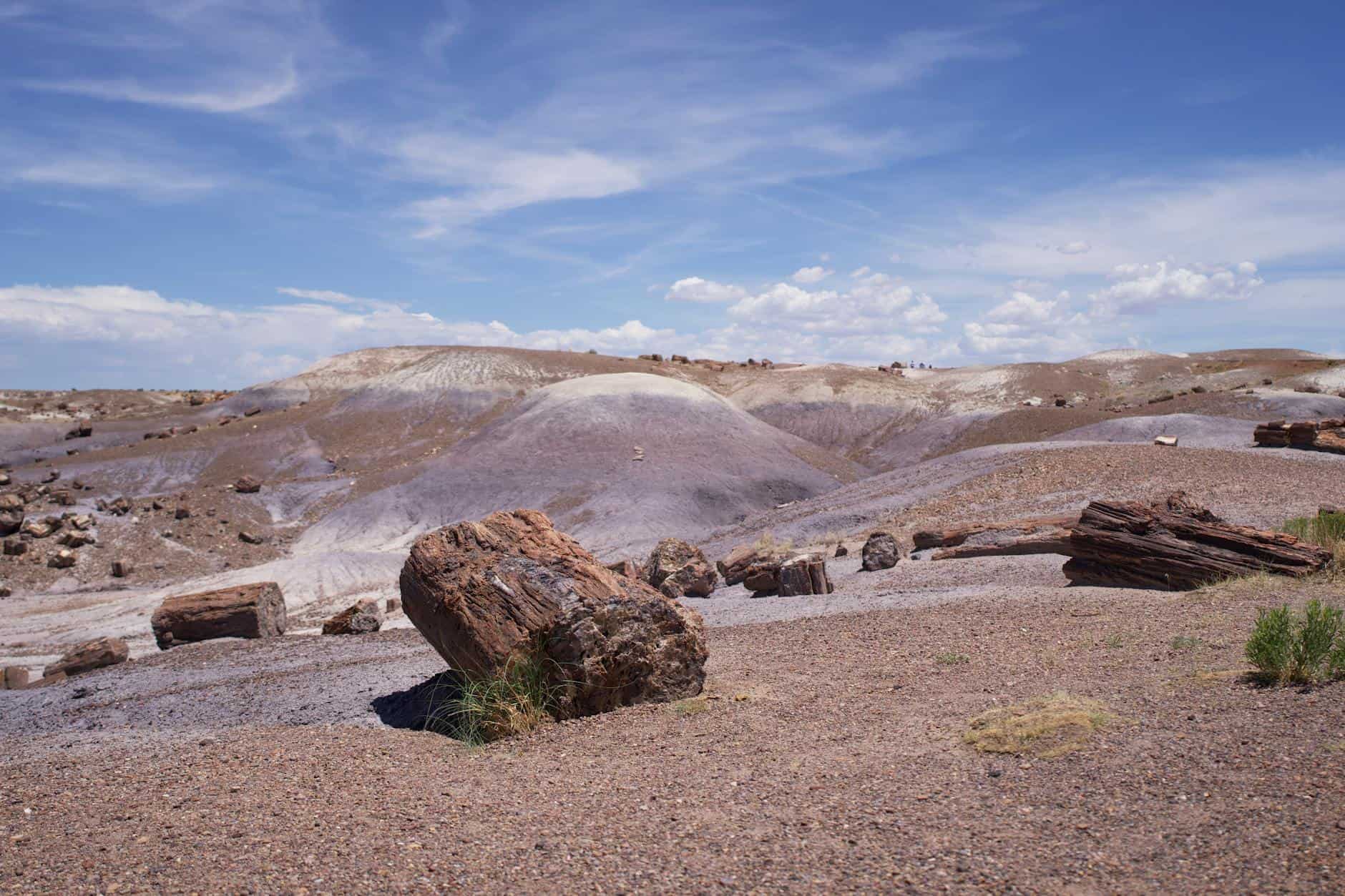
Your better bet is to put on sneakers or soft soled shoes as strollers will most likely have a hard time on the sandy areas. The use of sun hats at this location is a requirement. There is not much available in terms of shade and the park is very open.
The entrance fee is payable by either credit or debit card, and the closest town to purchase gas, food, and groceries is Holbrook so make sure to stock up on gas and groceries before getting to Holbrook. The times of the day that are better to go are either very early in the morning or very late in the afternoon. Most importantly, if an expectation is not set before a piece of wood is picked up from a location, that will end with an encounter with the rangers who will search bags.
9) Olympic National Park, Washington
Your kids will learn the value of patience, and so will you, while you make your way to the tide pools located in the Olympic National Park. There are some located at Ruby Beach and Rialto Beach. These are the real deal and are filled with lots of sea stars, anemones, crabs, and urchins. My seven-year-old and I both moved slowly, both watched carefully, both held onto slippery rocks and each other.
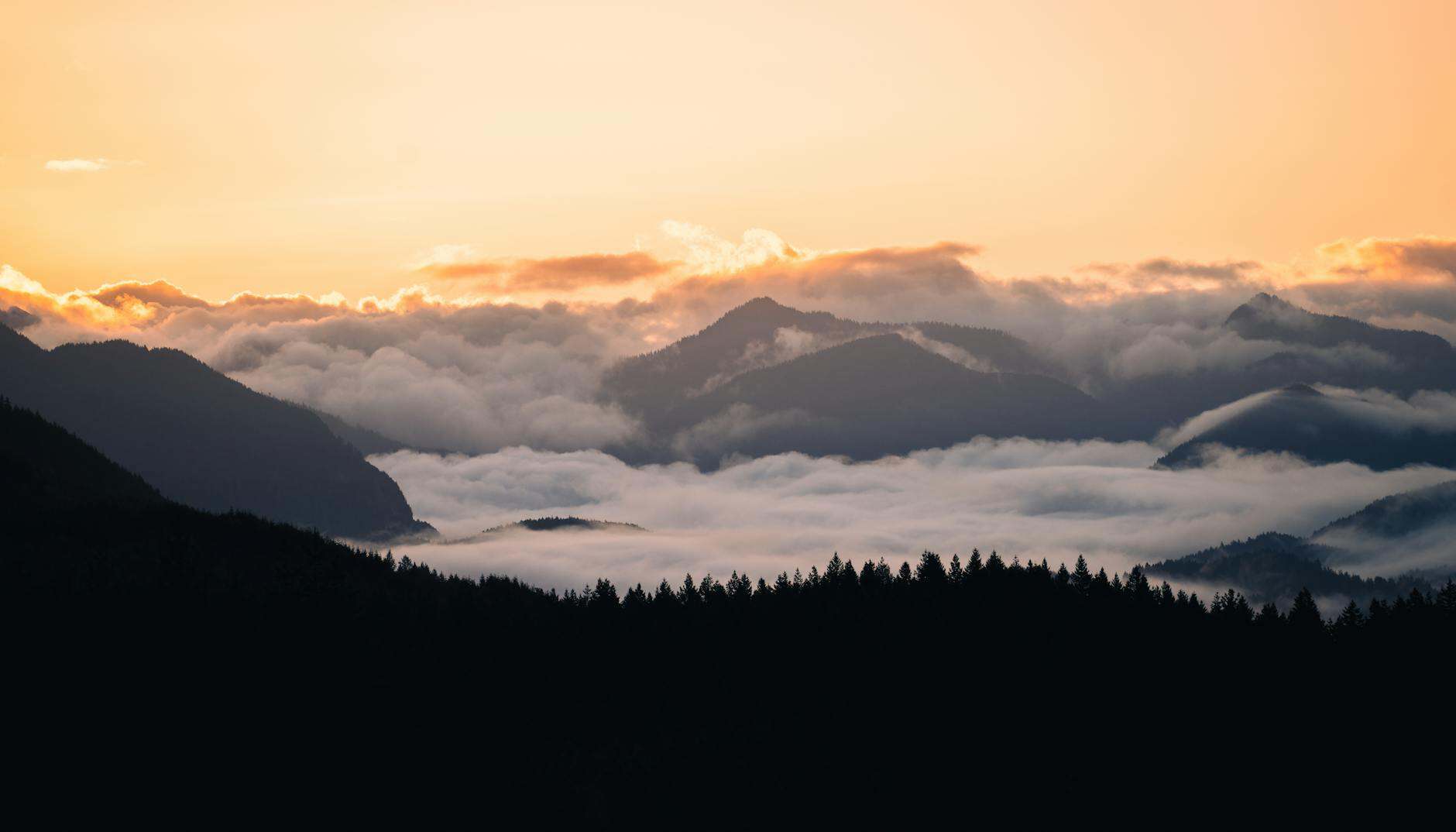
Water shoes, as well as tide charts, are going to be needed! Low tide is essential to having a great time! Some beach access can be steep and slippery, so be careful bringing down the little ones!
For groceries and gas, Foreks and Port Angeles are the closest towns. At the ranger station park entries, it’s per vehicle. The popularity of many beaches means they will fill up their parking lots, so it’s best to come at odd hours. The weather shifts rapidly in this area. Even during the summer, muddy trails can be encountered. Minimal cell service is found outside of town, so be sure to download offline maps and tide times before you leave!
10) Carlsbad Caverns National Park, New Mexico
Most kids will love the idea of going to a cave at dusk, and Carlsbad is perfect. The paved Natural Entrance trail is steep, but it is short. The excitement of going underground is unmatched. My child has talked about the ranger-led cave tour and the stalagmites for the longest time, and it’s one of the best things we’ve experienced in a park.
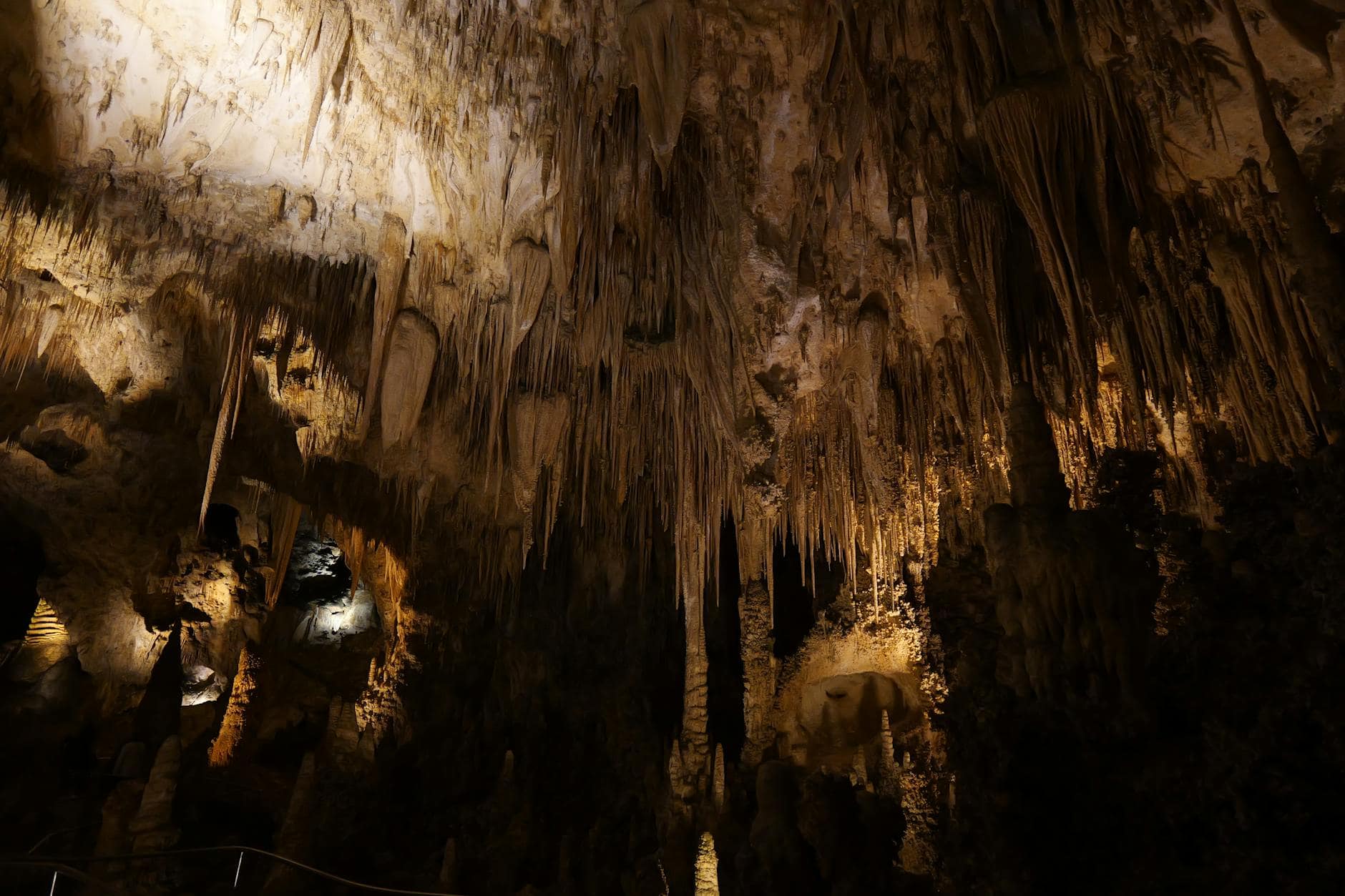
Before booking, be sure to check the age and fitness requirements, as some of the guided tours will not be suitable for all children. Narrow passages and ladder climbs are part of some of these tours.
We highly recommend you make reservations for any of the tours. In the summer, they are often a requirement. There is a charge per vehicle to enter. The main parking lot fills up quickly, so arrive early. Gas and groceries can be found 20 minutes away in Carlsbad. Also note that the cave is cool and damp all year round. Be sure to bring jackets! Kids, especially those who are used to noisy environments, the cave is silent. They might be caught off guard and feel uneasy when the cave gets quiet.
11) Cuyahoga Valley National Park, Ohio
The park is free to enter and has a creek, shade trees, and a flat trail. Cuyahoga Valley National Park is underrated, especially for a park so close to multiple midwestern cities. Towpath Trail is the park’s main trail. It has a gravel surface that is mostly flat, has dirt, and is good for stopping for snacks or breaks.
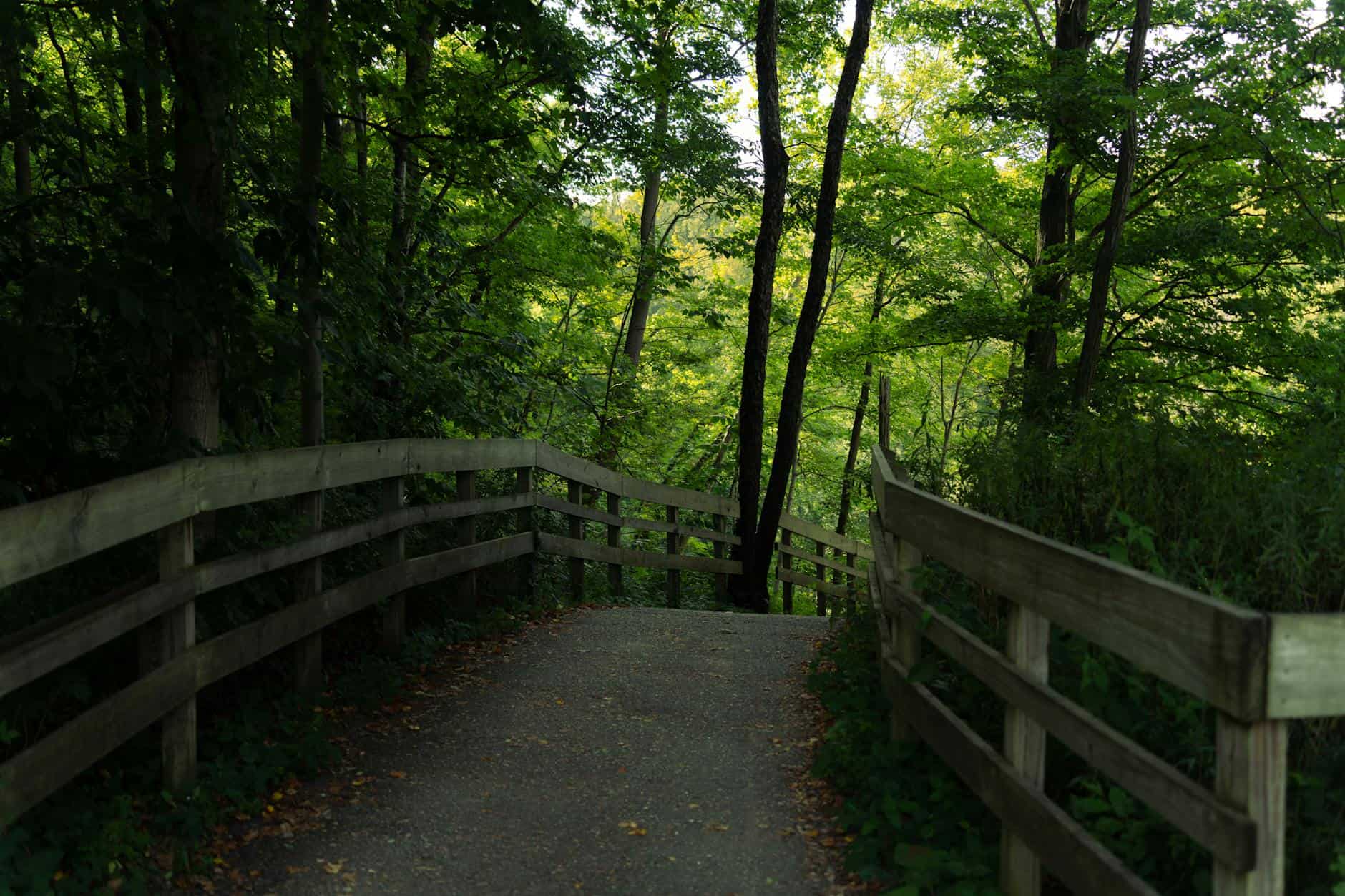
I went for a short bike ride with my seven year old at the Canal Exploration Center toward Brandywine Falls and it was fine. The surface is good for a balance bike or hybrid to work well. There are no steep hills if you don’t push far outside the main section. Parking is in small lots, and it was a regular summer morning when we visited and both the Boston Mill Visitor Center and Brandywine Falls lots were full. Some attractions require timed entry before peak weekends. Many cyclists ride on the trail, so be prepared. Younger kids can be startled by cyclists, so be sure to talk about this before you arrive.
Getting Kids Ready Before You Even Leave the Driveway
The addage “an ounce of prevention is worth a pound of cure” is cliched and often misused. But preparing the kids and prep can literally save their day and your race/zrun. Prepping your kids and yourself for everything mud, snacks, outfit changes, shoes, etc can save your run and sanity.
Pack for Messes, Not for Instagram
I use a small laundy bag for each child, pack spill proof bibs for the toddler, and mud/water appropriate outfits. Each child gets a pack of wet wipes and a small towel. A zip plastic bag will reduce the chance of shoes being stuck in a swamp as a sensory experience.
For hikes, use quick drying clothes and shoes and you guessed it, pack a towel and shoes that rinse easily. For cooler parks a thin fleece and rain jacket gives the kids layers they can actually manage themselves. Lost jackets and stuff can eat hours of a otherwise good day so LABEL EVERYTHING!
Three Rules Taught in the Car
Before a park I tell the kids about staying on paths, being quiet with animals, hand holding for safety the whole deal. We practice freez commands so they are familiar. They get little bribes for doing the right thing like an extra snack but once we get moving its easy.
Snacks That Actually Survive a Daypack
Snack mix with dried fruit, roasted chickpeas and individually wrapped cheese sticks. No cheese please. Depending on the weather fruit gets cut small and sealed to prevent them from getting soggy. A small insulated pouch can hold an ice pack or a yogurt tube on hot days. A few extra crackers in my pocket can be the secret weapon at any viewpoint when someone starts to lose it.
Editor’s Note
The America the Beautiful Annual Pass costs $80 and covers entrance fees at all federal lands, including every park on this list that charges admission. If you’re hitting more than two or three parks in a year, it pays for itself fast. Available online or at any park entrance station.
On-the-Ground Logistics: Parking, Bathrooms, and Cell Service
These things shape the actual experience of a park day more than any trail or viewpoint. Get them right and everything else is easier.
Finding Parking When Everyone Had the Same Idea
Main lots fill quickly on weekend. I head straight to the overflow lot or timed shuttle options first. At Acadia the Hulls Cove Visitor Center lot fills up by 9:30 am in the summer. I try to get to Sand Beach overflow and take the shuttle. If you want to park near a trailhead be prepared to pay for a spot before lunch.
If you need ADA access or a space for a stroller, call the park in advance. Some parks will close roads for weather or special events at short notice so check the alerts page before you head to the park.
The Honest Restroom Situation
There are changing stations in family restrooms at some major visitor centers, but those are the only places you can expect to find them. However, at Cuyahoga Valley, you can find restrooms with flush toilets every few miles along the Towpath, and family restrooms with changing stations at Boston Mill. You should come prepared with hand sanitizer, wipes, and spare toilet paper. (This includes the park.) The vault toilets located at the backcountry trailheads can be unsupplied and can smell pretty bad. If your child needs to make repetitive stops, plan out short loops that will take you to the comfort stations. If you’ve found yourself out in the dark near a campground, bring a flashlight.
Download Everything Before You Lose Signal
Before you head out of cell service, be sure to download the official park map, the GPX route files, any required driving directions, and emergency contacts. Cell service in Big Bend is only available at Panther Junction, so it is essential. Overly detailed planning includes screenshots of drive info, a paper map, and manually marking waypoints for ranger stations and gas stations. Make sure to update any trail apps as well, since seasonal closures often go without recent data. These apps may be closed in the interim.
I still think it was a fair toll for the types of experience these parks offer and the smell of goldfish crackers in the minivan only reinforces that. Pexels