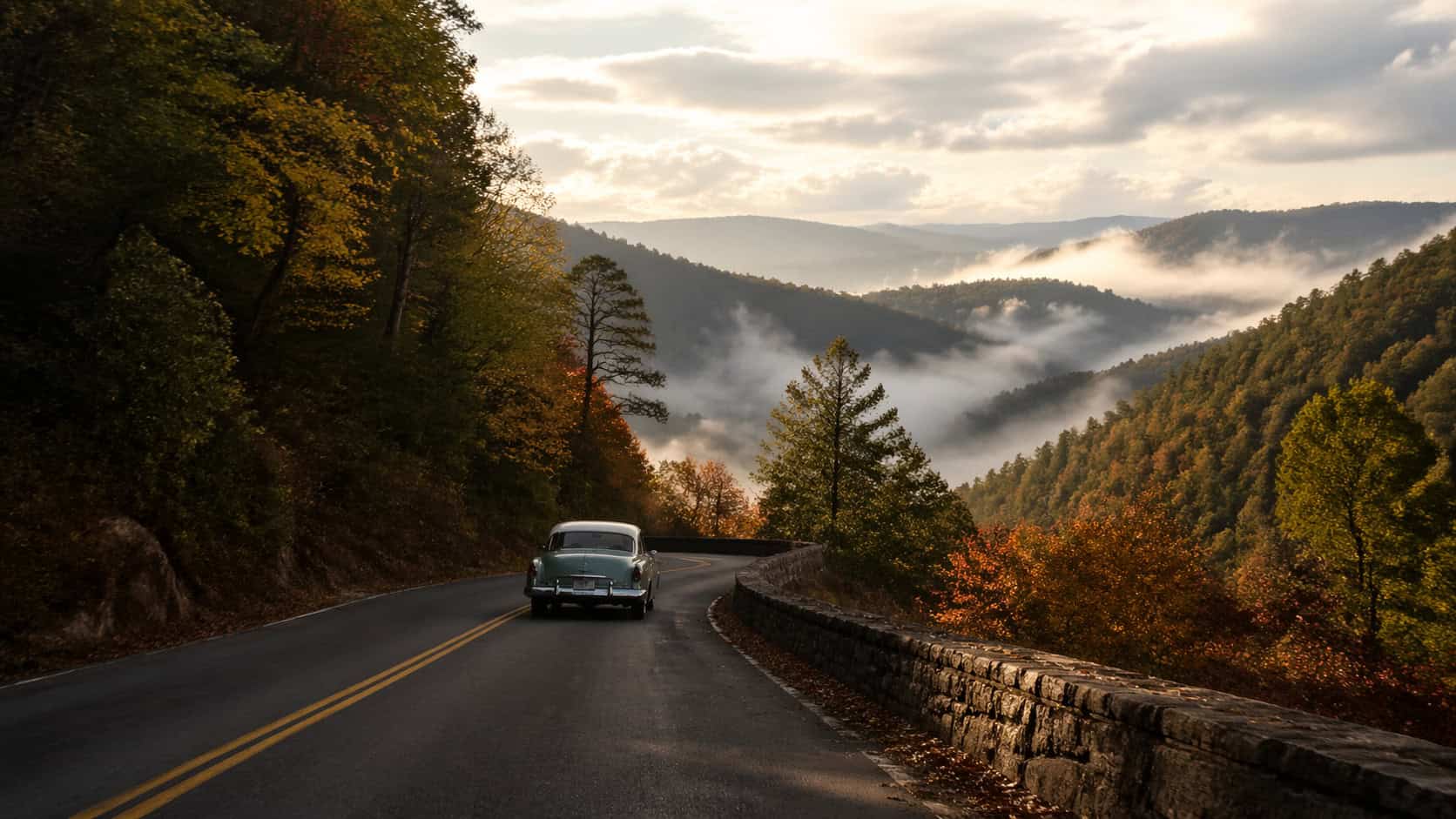

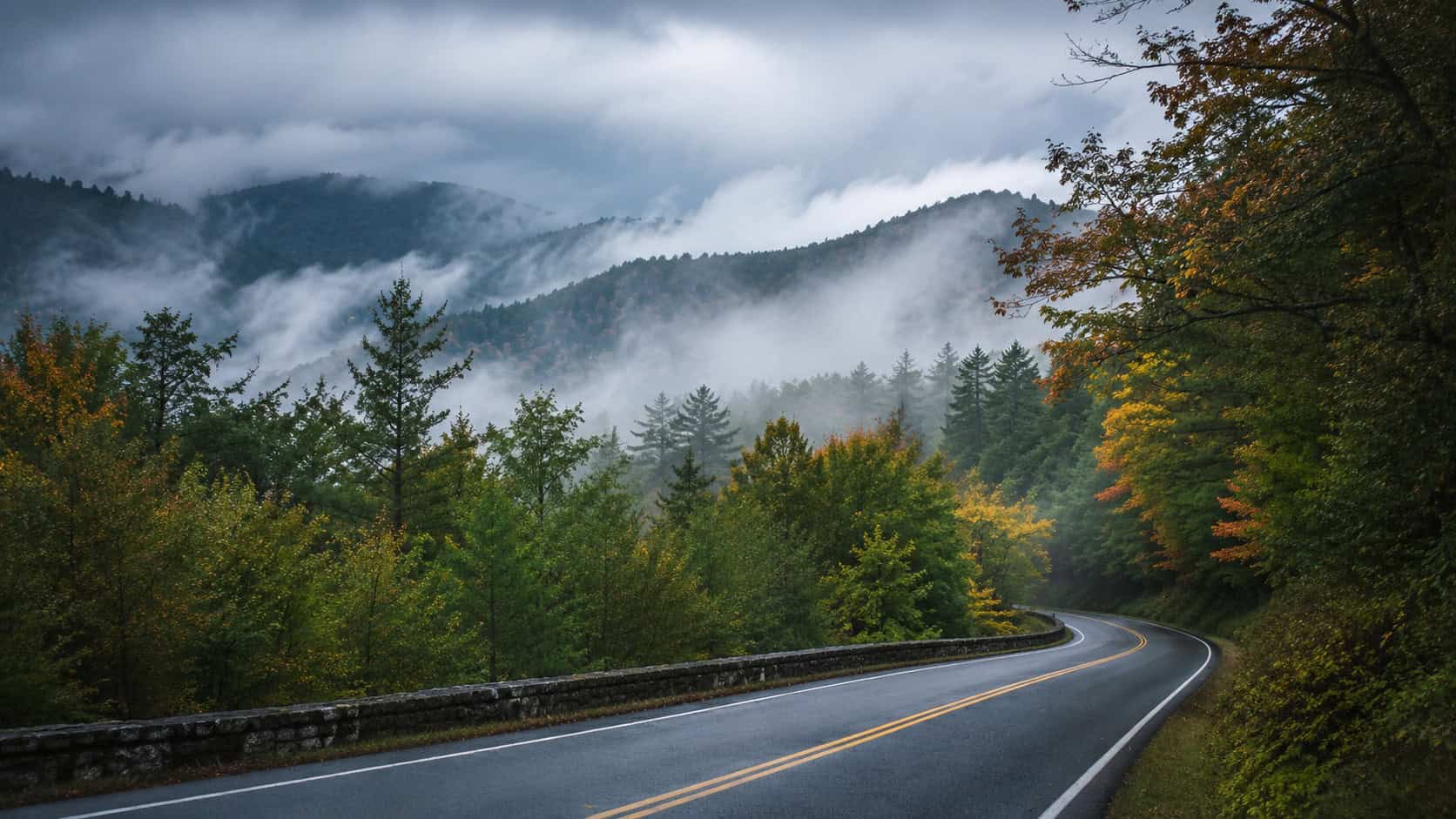
Morning fog in West Virginia does not lift so much as it burns away in slow, ragged patches. You can watch it happen from the driver’s seat when you take the right roads. Most people looking for fall color or quiet mountain curves head straight to the Blue Ridge Parkway. They sit in traffic behind RVs. I prefer the Highland Scenic Highway. Designated as Route 150 and Route 39, this 43-mile stretch cuts through the Monongahela National Forest. It remains one of the best-kept secrets in Appalachian driving.

The Caribbean for Less Than You Think
Up to 65% off + a resort credit + a free night at select Sandals resorts. 8 islands. 17 resorts. All-inclusive everything. See the deals →
The Route at a Glance
Before you put the car in drive, it helps to know exactly where you are going. This route connects the small towns of Richwood and Marlinton. Here are the key markers to look for along the way.
| Stop Name | Location | Reason to Stop |
|---|---|---|
| Richwood | Route 39 West (Start) | Gas up and grab breakfast before losing cell service. |
| Cranberry Glades Botanical Area | Route 39 / Route 150 Junction | Half-mile boardwalk through rare Appalachian bogs. |
| Williams River Valley Overlook | Route 150 (Mile 14) | Sweeping views of the Allegheny Mountains. |
| Little Laurel Overlook | Route 150 (Mile 27) | Quiet picnic spot with deep valley sightlines. |
| Marlinton | Route 219 Junction (End) | Trail town with local diners and river access. |
Why This Route Stays Quiet
You might wonder how a paved, two-lane road with 4,000-foot elevation changes stays off the main tourist radar. The answer is a mix of geography and modern convenience. The Monongahela National Forest is vast and rugged. More importantly, this corridor sits entirely within the National Radio Quiet Zone. Cell service is practically nonexistent.
Without a constant stream of live social media updates broadcasting its location, the highway stays quiet. You have to want to be here. You have to be comfortable navigating without a glowing blue dot on your phone.
Key Stops and Trailheads
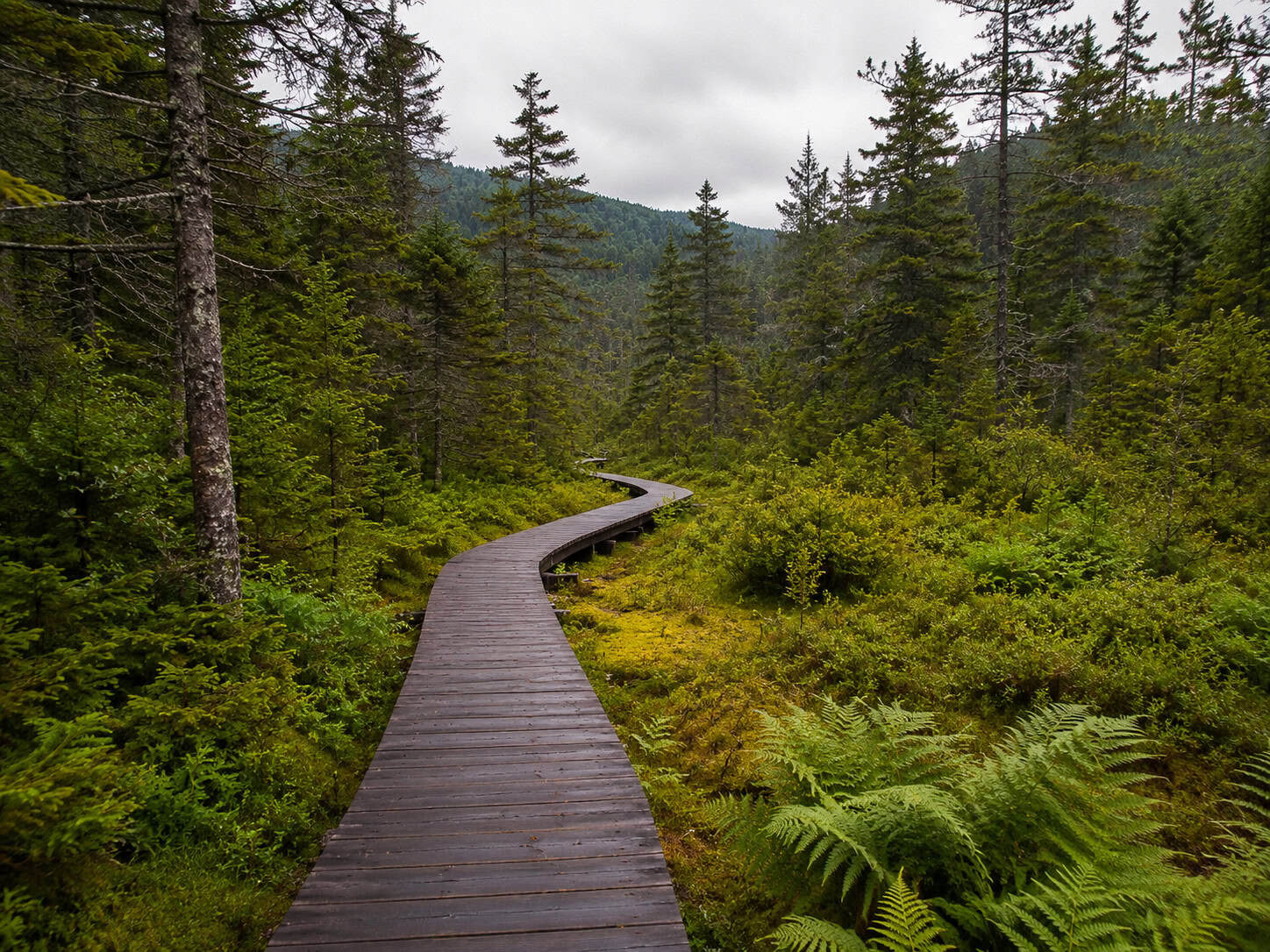
The drive itself is the main attraction, but the pull-offs make it a full day trip. The Cranberry Glades Botanical Area is a mandatory stop near the southern junction of Route 39 and Route 150. A short boardwalk loops through acidic bogs that look more like the Canadian tundra than the American South.
Further north on Route 150, the overlooks open up. The Williams River Valley Overlook provides a massive, uninterrupted view of the Alleghenies. There are no billboards or ski resort condos in sight. Just ridges fading into blue haze. If you want to stretch your legs, the highway provides direct access to the Cranberry Wilderness, where miles of backcountry trails wait for anyone willing to carry a paper map.
Where to Eat and Rest
Slow travel requires good food. Since there are no commercial stops on the highway itself, you need to rely on the trail towns at either end. Richwood anchors the southern approach. Look for small bakeries or corner diners serving up strong coffee and buckwheat pancakes.
On the northern end, Marlinton sits right on the Greenbrier River. It is a classic Appalachian Trail town. You will find unpretentious cafes serving hot roast beef sandwiches, fried potatoes, and homemade pie. These are the kinds of places where the waitress calls you “hon” and the coffee mug never quite goes empty. Grab a seat at the counter and ask the locals how the fishing has been.
Practical Planning Tips
Driving a remote mountain pass takes a little preparation. Keep these details in mind before you turn the key.
- Fill the tank: There are zero gas stations on the 43-mile stretch of the Highland Scenic Highway. Top off your tank in Richwood or Marlinton before you start.
- Download your maps: You will lose cell service. Download offline maps for your GPS and bring a physical road atlas just in case.
- Watch the weather: The highway is not maintained in the winter. Snow and ice close the road to vehicle traffic, turning it into a snowmobile route. The best time to drive is between late May and mid-October. October brings incredible autumn colors, but you should expect cooler temperatures at the higher elevations.
- Pack provisions: Bring plenty of water and a few snacks. Once you are on the ridge, the only things available are the things you brought with you.
The Highland Scenic Highway rewards those who take their time. Roll the windows down, listen to the wind in the pines, and enjoy the rare luxury of an empty road.