

I was standing on the rim trail at Valley of Fire when late-afternoon light hit the red sandstone, and the whole place went quiet in that specific way desert places do. That moment stuck with me, not because it was some grand epiphany, but because I’d driven past three national parks to get there and none of them had done that.

The Caribbean for Less Than You Think
Up to 65% off + a resort credit + a free night at select Sandals resorts. 8 islands. 17 resorts. All-inclusive everything. See the deals →
State parks don’t get the credit they deserve. They’re often quieter, cheaper, and more varied than their federal counterparts, and in many cases, they’re just better. Here are 17 that I think make a real argument for taking the road less traveled.
1) Porcupine Mountains Wilderness State Park, Michigan
Late-afternoon light on Lake of the Clouds turns the cliffs silver and still. That view alone is worth the drive, but it barely scratches what the park offers: rugged multi-day trails, intact old-growth forest, and Lake Superior shoreline that feels genuinely remote even mid-July.
Late September is peak color and probably the best single week to visit. If you’re after fewer people, come on a weekday in early October. The Lake Superior Trail and Escarpment Trail are the two routes I keep returning to. Both deliver cliff views, waterfalls, and long stretches through ancient hemlock and hardwood that feel like they belong to another century.
Crowds stay low partly because access is spread across dirt roads and widely spaced trailheads. The park feels bigger than the map suggests. I’ve hiked full days here without seeing more than a handful of other parties. For anglers, paddlers, and anyone who wants a long, quiet afternoon on a bluff without fighting for parking, this place regularly outperforms better-known parks nearby.
Porcupine Mountains Wilderness State Park covers roughly 60,000 acres, making it one of the largest state parks in the United States. It contains the largest tract of old-growth northern hardwood forest remaining in the Midwest — a distinction no national park in the region can claim.
2) Hanging Rock State Park, North Carolina
There’s a ledge on the Window Trail where the sun cuts long shadows across basalt cliffs in late afternoon and the Sauratown Mountains open up below you. It’s the kind of view that stops you mid-step.
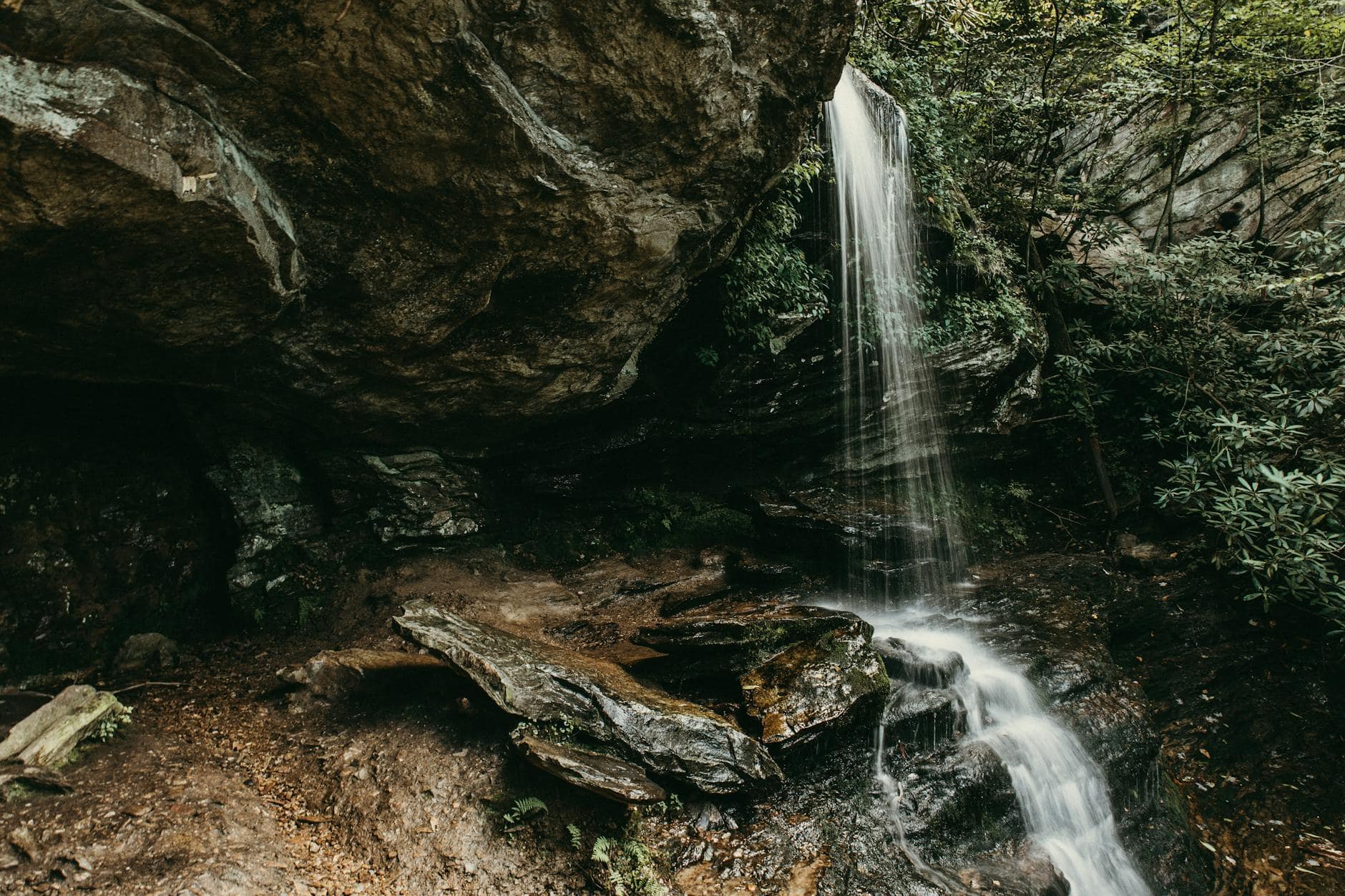
April through October is the sweet spot, when trails are dry, and Tory’s Falls runs clear. I tend to use the 1.3-mile Window Trail for quick, rewarding overlooks and the 4-mile Hanging Rock Loop when I want the full picture: waterfalls, crags, and connected ridge walking in a compact area.
Weekend foot traffic is steady near the main trailheads, but arrive early, and it thins fast. Camping here is simple and walkable, which makes stringing together two or three days easy without any of the permit complexity that larger parks require. Hanging Rock earns its place on this list for packing cliffs, waterfalls, and real elevation into a short drive from several mid-size cities.
3) Custer State Park, South Dakota
Pulling off Needles Highway at golden hour, with granite spires sharpening against a cold blue sky, is one of the better roadside moments in the American West. That’s not a marketing claim. It’s just what the light does there in late afternoon.
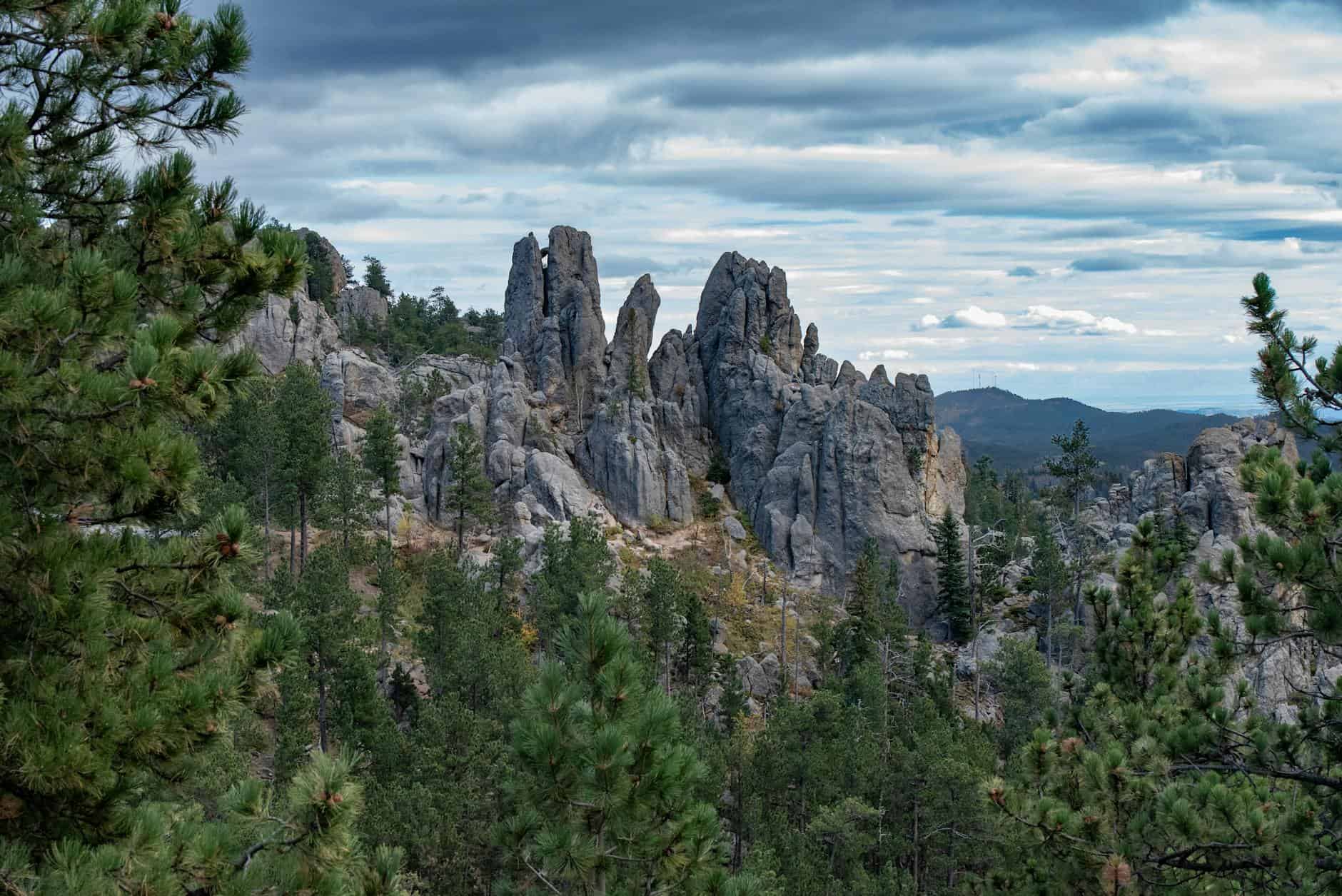
The park stretches across rolling prairie and granite buttes and genuinely feels like a full trip rather than a single attraction. The Wildlife Loop early in the morning is where I start: bison grazing close to the road, elk moving through the fog, and a pace that rewards patience over speed.
Late spring through early fall keeps the roads open and the weather reasonable. Beyond Needles Highway, Iron Mountain Road, and Sylvan Lake’s shoreline trails give you architectural rock and still water. Hikes range from quick loops to steeper scrambles near Cathedral Spires. Crowds peak in summer, but the park’s size and multiple scenic drives break up the traffic in ways that single-entrance national parks rarely manage.
What I prefer here is the mix of short hikes and long drives that don’t require a plan. Pull over for coffee. Follow a side road. Be back at camp by sunset with a full day of varied terrain behind you.
4) Big Basin Redwoods State Park, California
Standing on the Skyline-to-the-Sea Trail at dawn with fog pooled in the ravines and sunlight coming down in columns through the redwoods is one of those experiences that’s hard to explain to someone who hasn’t stood there. The scale registers slowly, which is exactly the point.
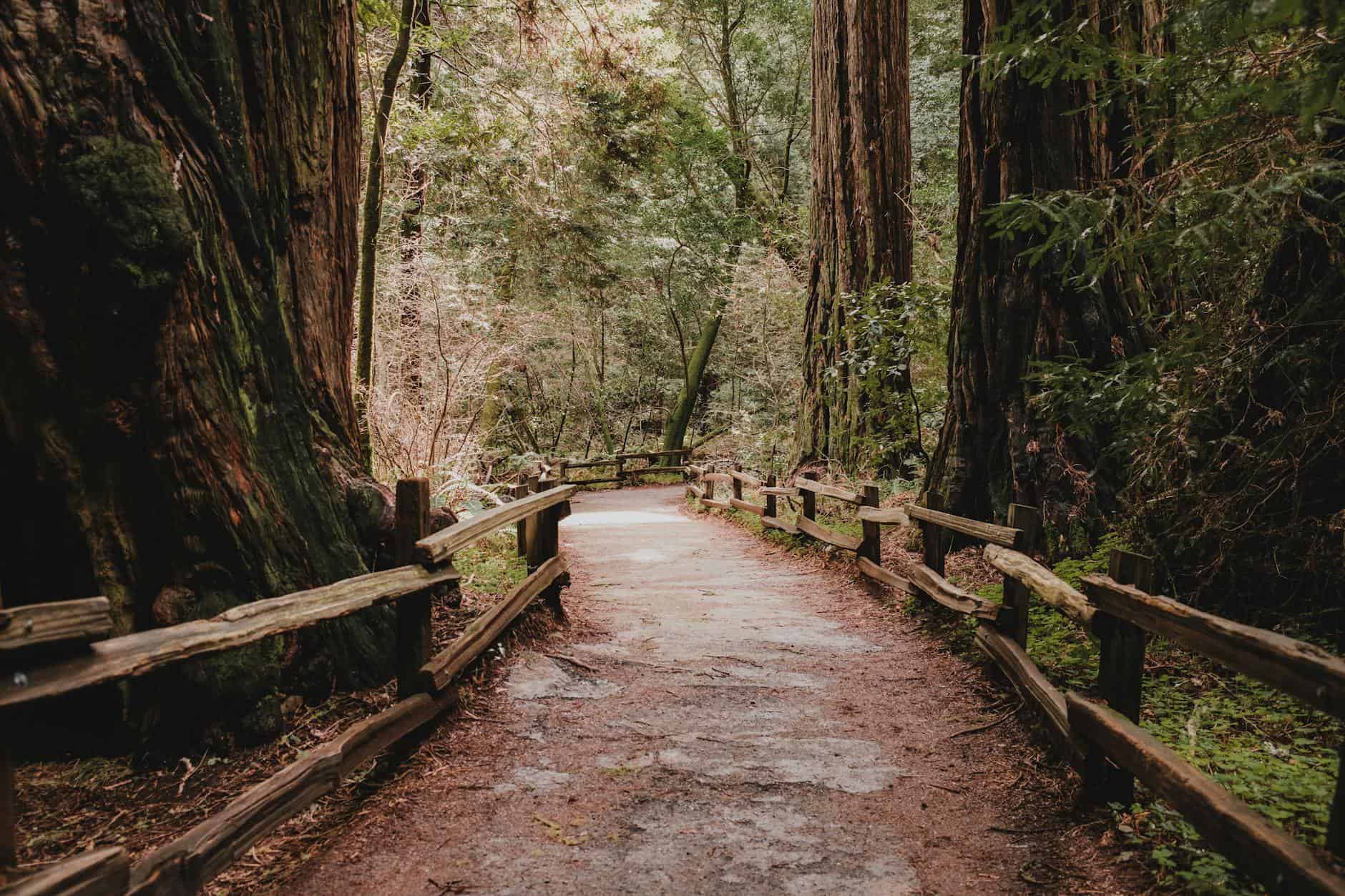
Late spring through early fall is prime, when ferns are green and creek crossings stay manageable. The Skyline-to-the-Sea route and the Berry Creek Falls loop are the two I’d recommend first: old-growth stands, waterfall sequences, and ridge views that vary enough to hold attention across a full day or a multi-night trip.
Weekday mornings feel like a different park than Saturday afternoons. What sets Big Basin apart is intimacy. Trails wind through dense ancient trees without the wide, processed feel that some larger parks develop as they optimize for throughput. You can get genuinely lost in the quiet here, in a compact footprint, in a way that some of the more famous redwood destinations no longer allow.
“The best road trips are the ones where the map gets rewritten halfway through — and state parks are usually where that happens.”
5) Palo Duro Canyon State Park, Texas
The Lighthouse Trail at golden hour is one of those places where the light does something specific and repeatable. Sandstone fins glow in layered orange and red, the valley opens wide below, and the scale reads larger than the GPS suggests. People call it the Grand Canyon of Texas, which is a little generous, but the comparison isn’t entirely wrong.
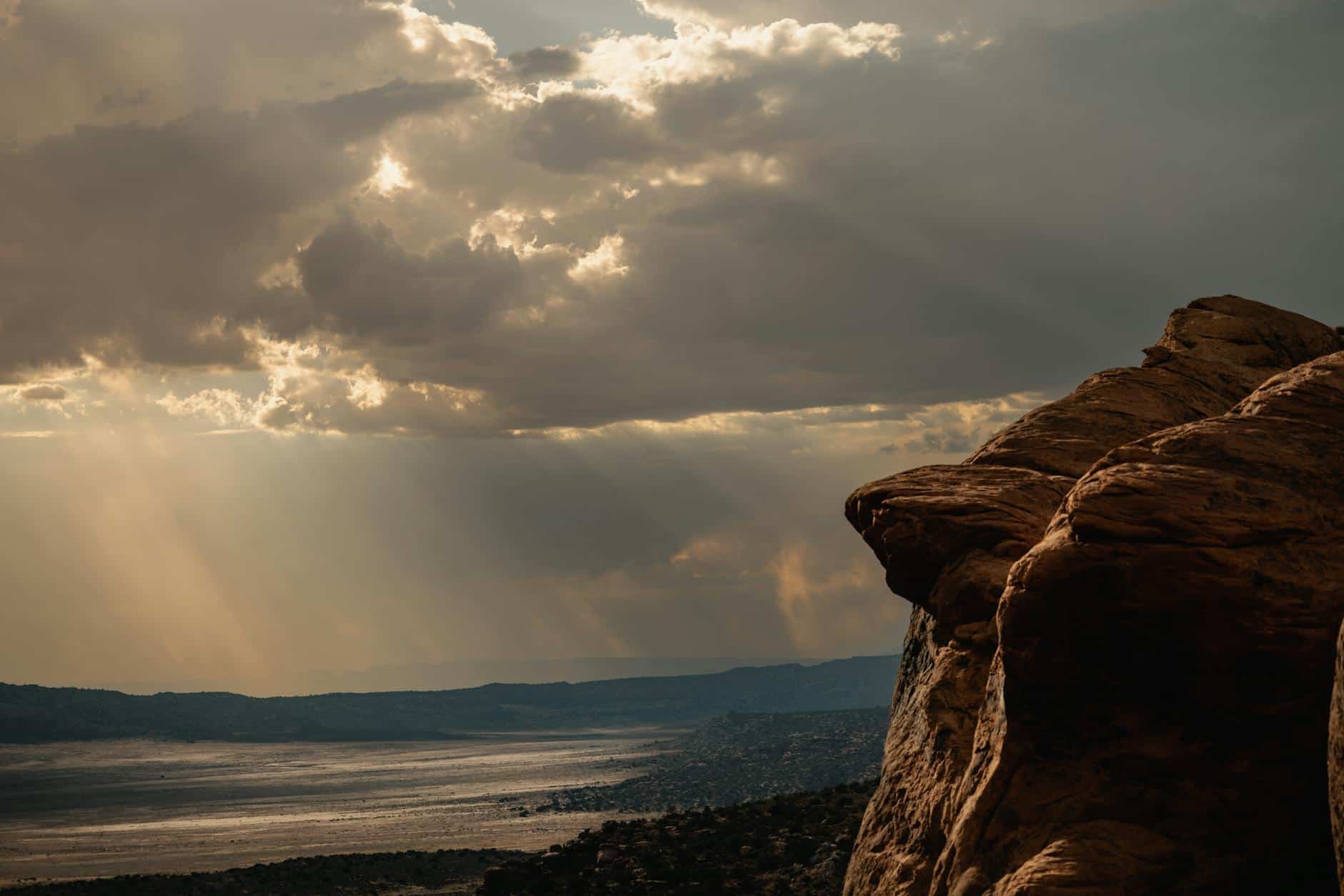
Spring and late fall are the seasons I choose, cooler temps and wildflowers after rain. The Lighthouse Trail covers the iconic formation; the Capitol Peak loop is where I go when I want fewer people and more ridge walking. Crowds cluster near the Lighthouse, but the park has room once you take a side trail.
Campsites sit close to dramatic drops. Falling asleep to canyon wind instead of freeway noise is one of the underrated pleasures of this place. Access is straightforward, trails are well-marked, and you can find genuine solitude a short walk from the main pullouts, which is harder to promise at parks with bigger reputations and heavier visitor counts.
6) Letchworth State Park, New York
Three waterfalls in quick succession, framed by a gorge that took the Genesee River a very long time to build. Inspiration Point gives you all of that in one view, and the steady roar sets the pace for the rest of the day.
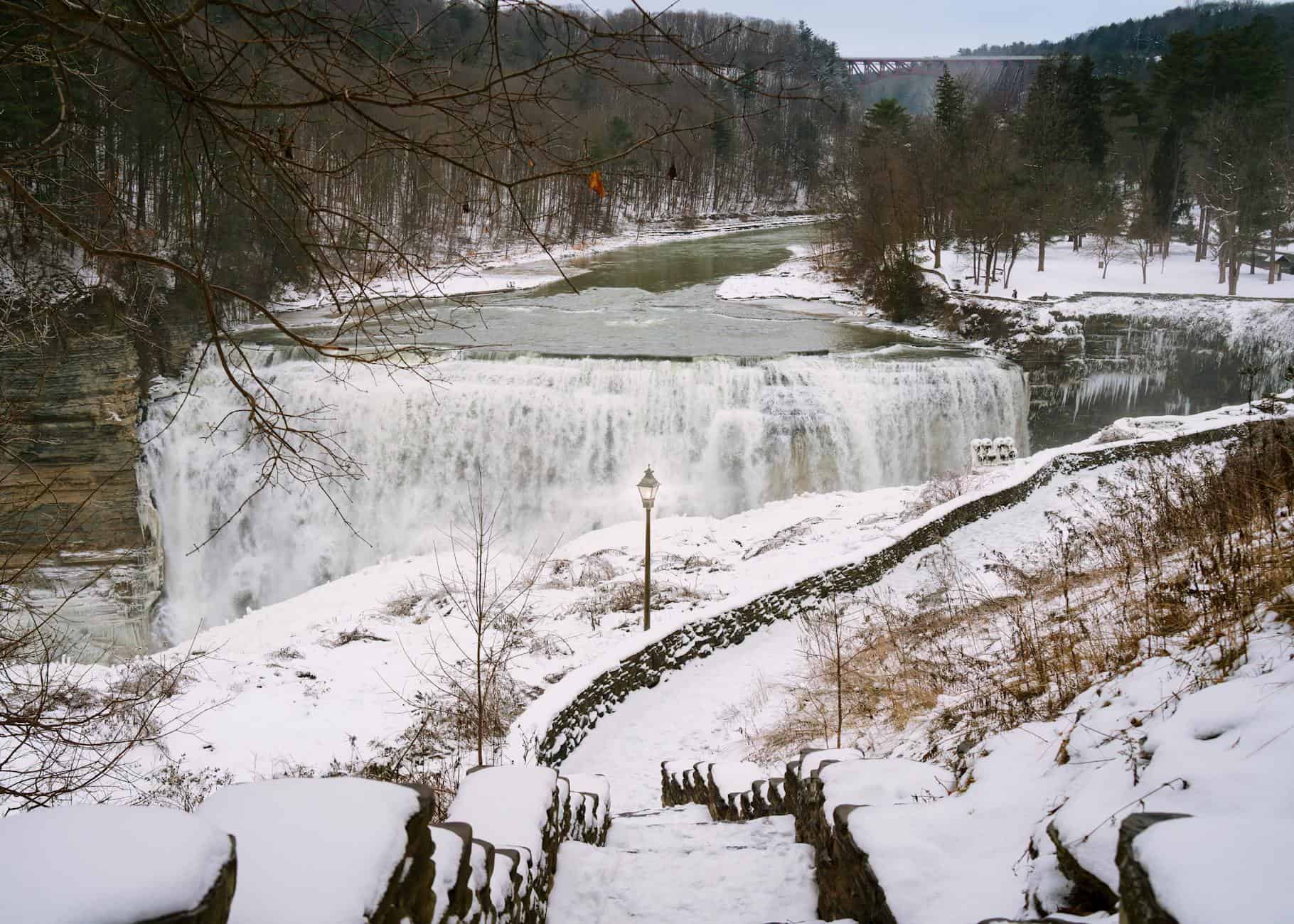
Late spring through early fall is when river flow and foliage are both doing something worth seeing. I use the Gorge Trail when I want the close walls and the wet, percussive experience of moving through a real canyon. The rim trails come later, when I want open air and a place to sit with a thermos. Crowds concentrate at the main overlooks but thin out fast once you move a mile in either direction.
What keeps drawing me back is the compression of scale. Big waterfalls, tight canyons, accessible picnic spots, and decent campsites all within a park you can drive end to end in 30 minutes. Compared with the logistics of bigger federal parks, Letchworth offers immediate payoff with far less pre-trip planning.
7) Hocking Hills State Park, Ohio
Stepping onto the Old Man’s Cave trail as late afternoon light slants through the hemlocks, you start to understand why this park punches so far above its acreage. Slot canyons, waterfall drops, and stone bridges pack a surprising amount of visual variety into walks that most people can finish in under two hours.
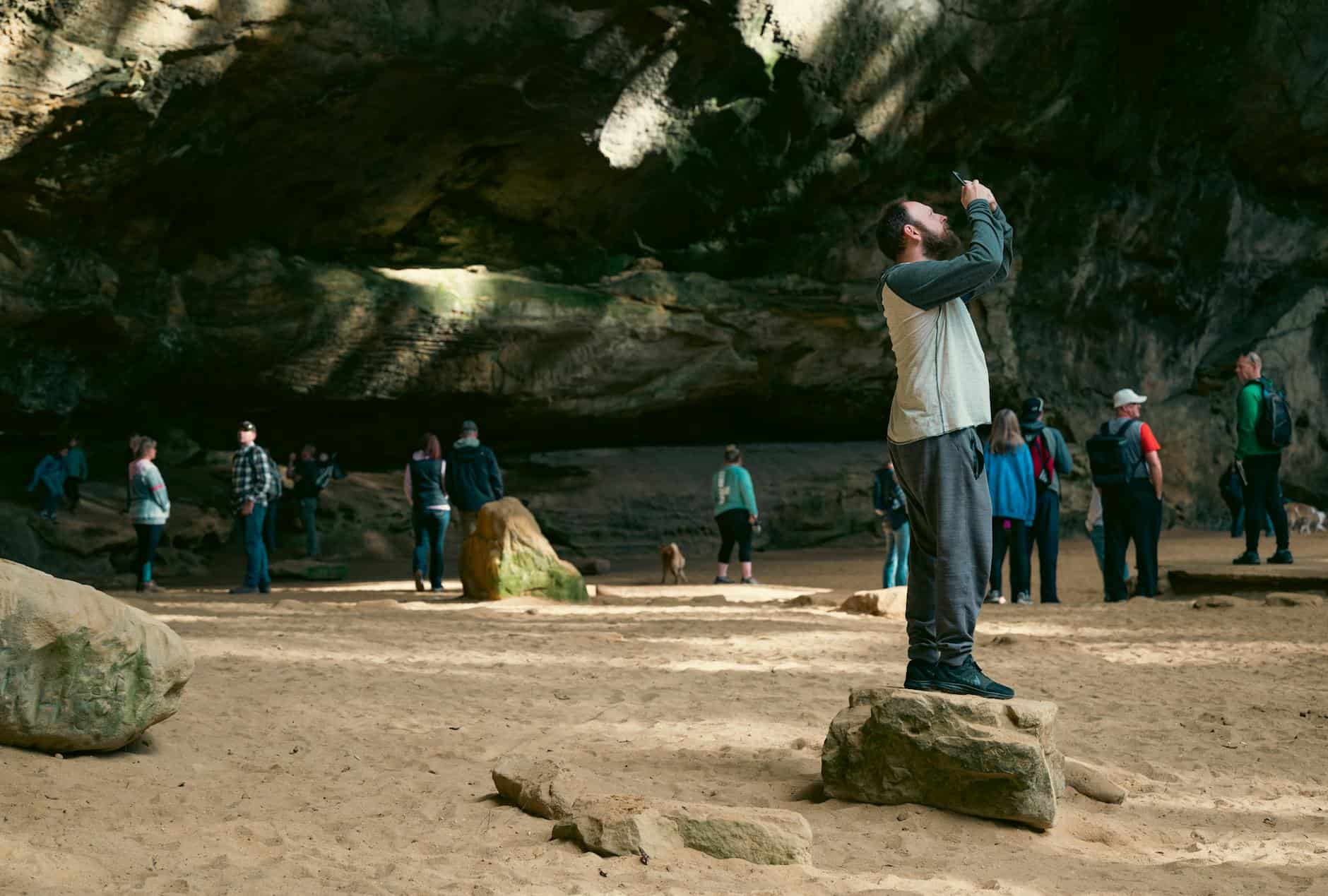
Late spring through fall is when water flows and color changes are most pronounced. Old Man’s Cave, Cedar Falls, and Ash Cave are the three routes I’d hit in sequence: each is short but varied, with stairs, boardwalks, and narrow passages that keep things interesting. Arrive pre-dawn on a weekend or any weekday morning, and the crowds mostly haven’t materialized yet.
Hocking Hills outpaces many national parks for me because the variety is so concentrated. You don’t drive 40 minutes between highlights. Trails loop through dramatic formations, waterfalls connect to rock shelters, and the whole thing is accessible in a single day without a permit system or a shuttle queue. For a traveler who likes coffee stops, short stretches behind the wheel, and a good dinner within reach by evening, this is the right scale.
8) Valley of Fire State Park, Nevada
The Fire Wave in late afternoon turns a shade of orange that looks slightly unreal, like the color has been adjusted. The wind moves through thin slickrock and the shadows deepen fast. This is what the park sells, and it delivers consistently: raw color and walkable geology that rewards a slow pace over a rushed one.
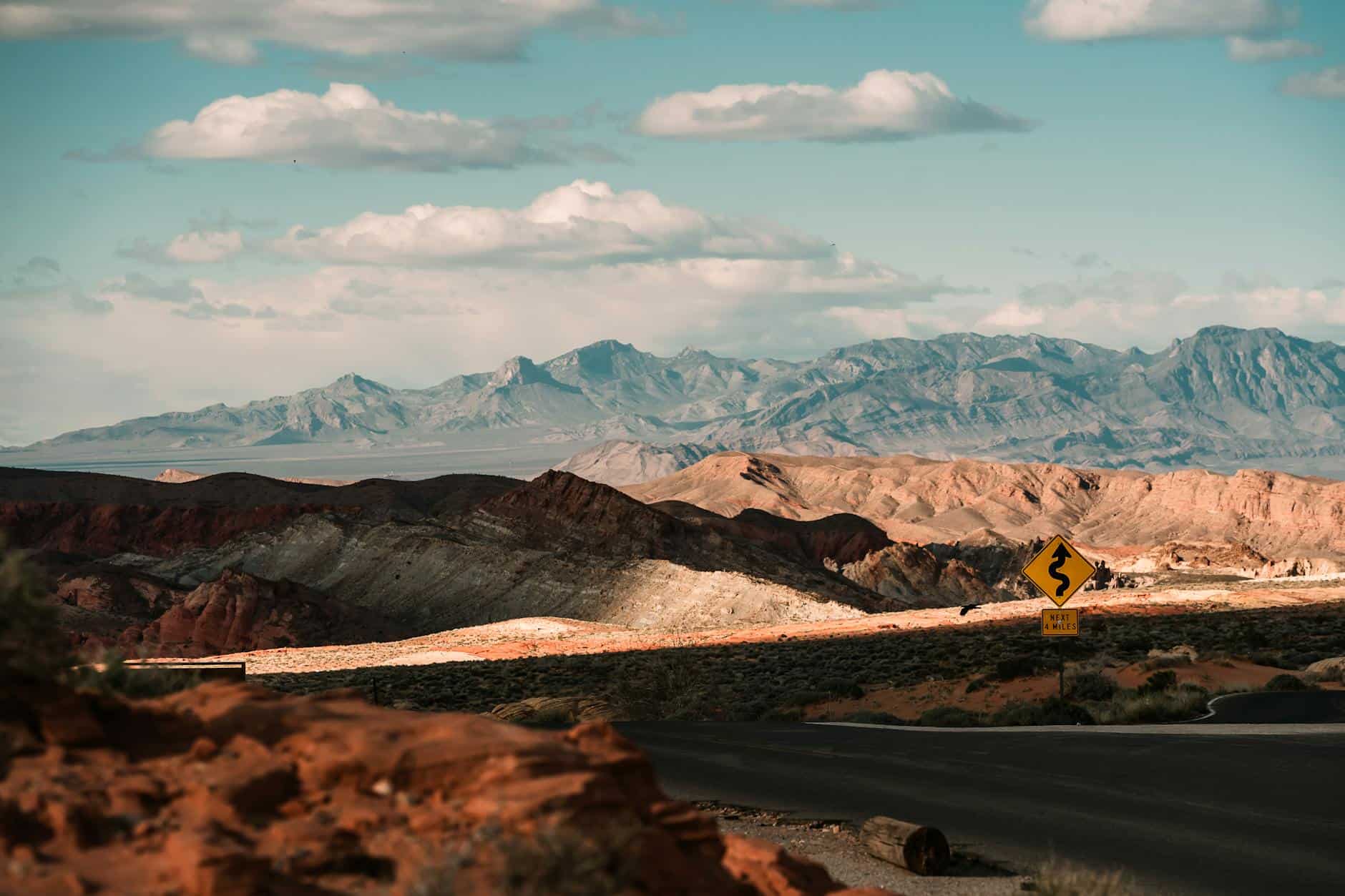
Fall through spring is the window I’d recommend, mild temps and clear skies. The Fire Wave, White Domes loop, and Mouse’s Tank trail cover the highlights without requiring a full day or any technical gear. Midday on summer weekends is when crowds peak and heat makes the experience genuinely unpleasant. Early morning or late afternoon solves both problems.
Camping is basic but close to trails, which keeps mornings simple. Valley of Fire beats nearby national park equivalents by packing vivid formations and accessible geology into a compact, well-marked area. You can be out on foot before 8 a.m. and finished by noon with a clear memory of something worth keeping.
9) Devils Lake State Park, Wisconsin
Quartzite cliffs glow in late afternoon light above a lake that narrows into a clear ribbon below. That view pulls you onto the trails and keeps you moving from one cliff outlook to the next in a way that feels earned rather than designed.
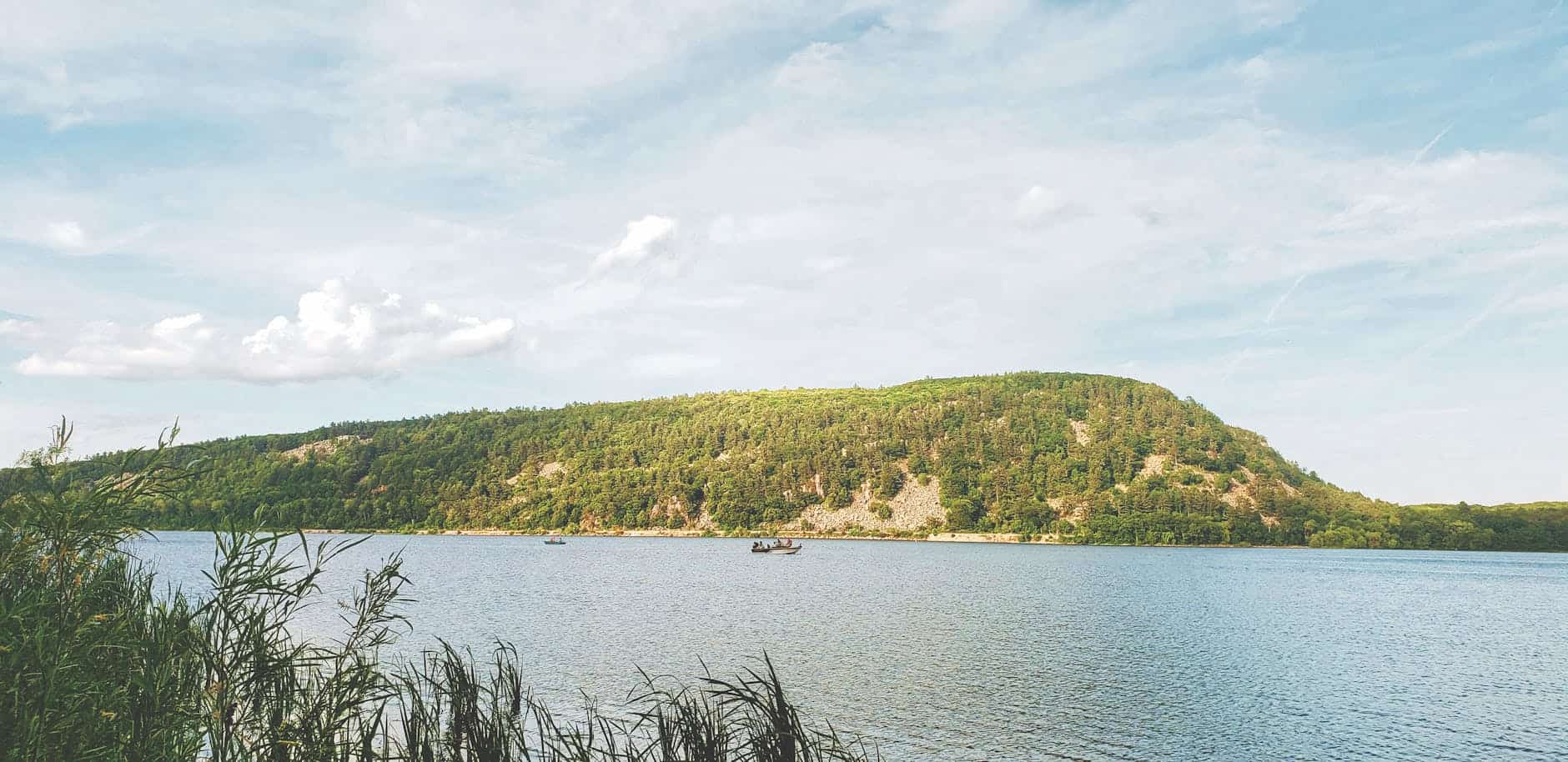
Late spring through early fall is the right window: warm water for swimming, dry rock for hiking, and enough evening light for a second loop. The East Bluff and West Bluff trails both link short, steep climbs with long panoramas. The park also has solid rock-climbing spots and a sandy beach if you want easy downtime between harder efforts.
Weekday mornings feel like they belong to the river otters. Parking fills fast on summer weekends, but the trail network is wide enough that you rarely feel crowded once you’re actually hiking. What beats many national parks here is the mix of scale and access: dramatic bluffs, clear lake water, varied terrain, and a compact layout you can explore in a day without long drives between highlights.
10) Gooseberry Falls State Park, Minnesota
Standing on the lower overlook watching water pound over stepped rock ledges while light cuts through thin clouds gives you a clear read on how this river works. Speed, drop, and the way Lake Superior feeds the whole system below. It’s elemental and easy to understand, which is part of why people come back.
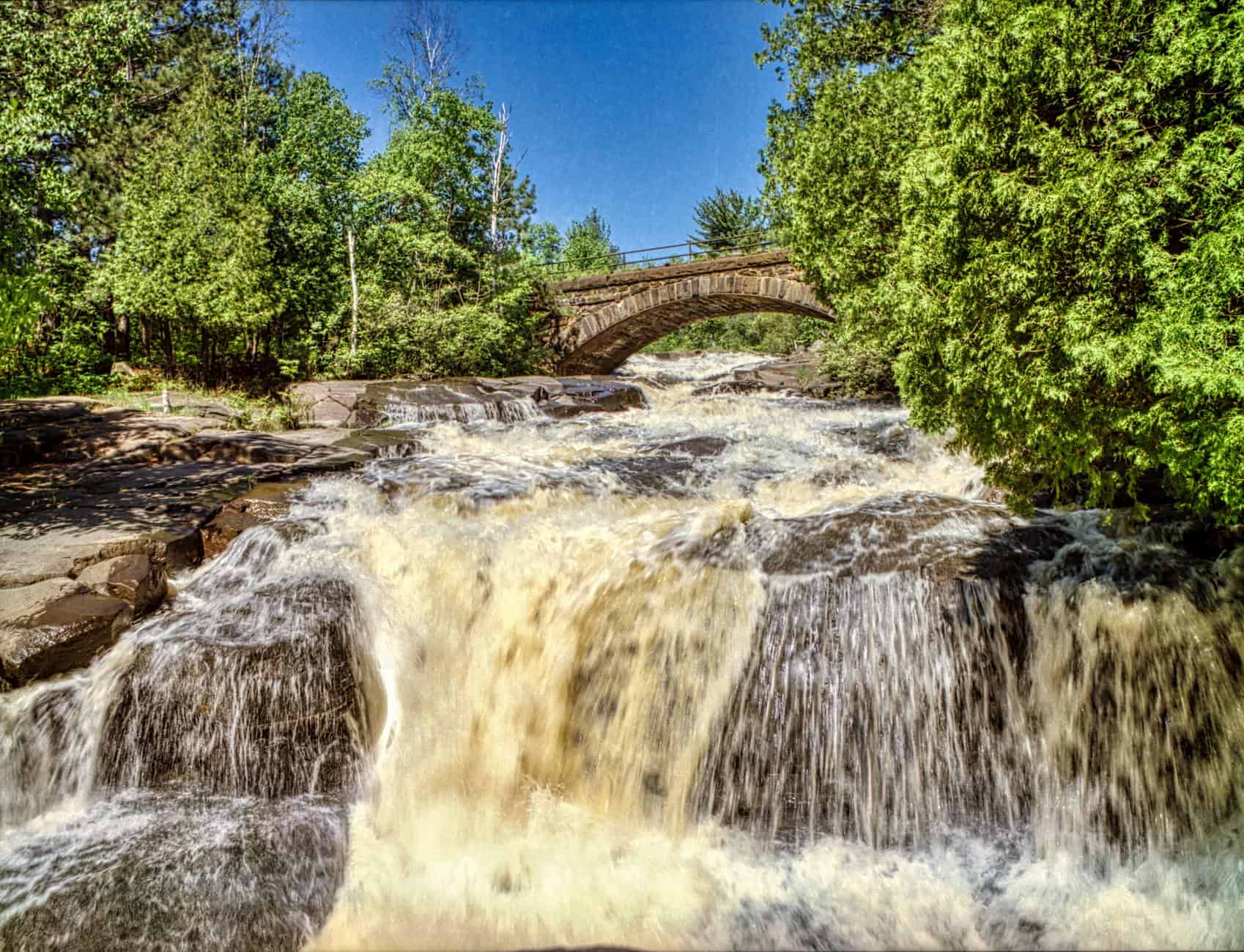
Late spring through early fall is when flows are strong, and trails are dry. The main loop linking upper, middle, and lower falls is short and well-marked, with enough viewpoints to keep the walk interesting without demanding a full scramble. Crowds swell on summer weekends, but the park’s compact layout spreads people across separate overlooks and picnic areas rather than funneling everyone to one bottleneck.
Camping close to the Lake Superior shore means catching sunrise light on the falls before the day crowd arrives, which is one of the better free upgrades available in the upper Midwest. Gooseberry wins over nearby national parks for accessibility and variety in a small footprint: strong river scenery, easy trail options, and a shoreline drive that requires no planning.
11) Red River Gorge, Kentucky
Warm light slicing through sandstone fins and throwing long shadows into the gorge is what the Rim Rock Trail gives you in late afternoon. The view narrows your focus to cliffs, arches, and a river that has been carving this maze for a very long time.
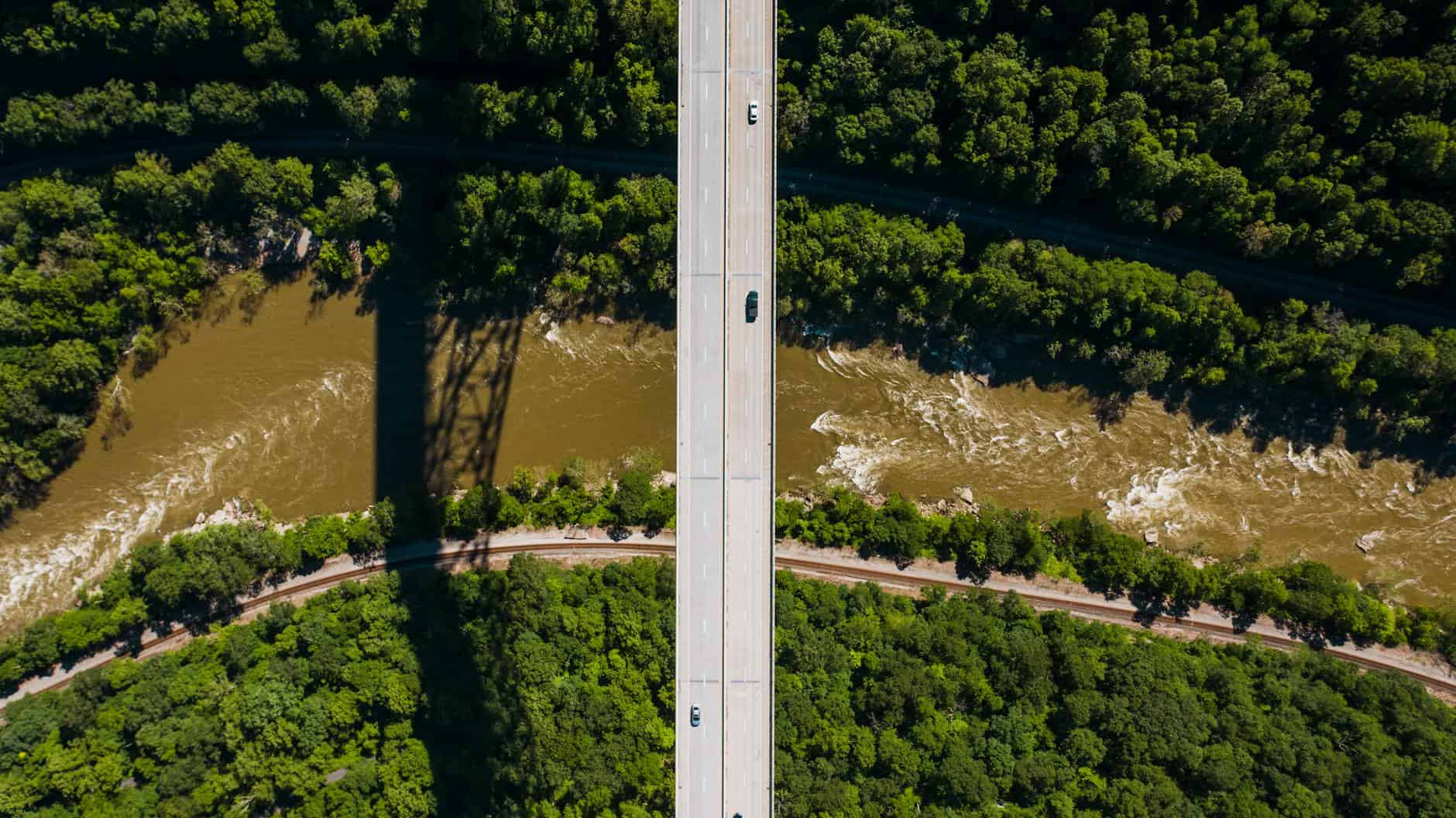
Spring and fall are the seasons for this place: mild temperatures, a colorful canopy, and better trail conditions. Natural Bridge and Auxier Ridge are the routes I rely on for big views; shorter loops lead to viewpoints and small arches that reward slower exploration. Rock climbers and photographers share the space with little friction, and the whole area feels more intimate than comparable national parks.
Crowds concentrate at Natural Bridge and a few busy parking areas, but plenty of trails offer quiet stretches within minutes of the lot. Cliffs, arches, hoodoos, and forested hollows all within short hikes is the kind of density that larger parks spread across half a day of driving. I can do a half-day loop here and experience what some parks require a full day to deliver. Practical, scenic, and easy to reach from Lexington, it rewards last-light walks and unplanned detours equally well.
12) Assateague State Park, Maryland
Morning light hits the ocean side of the bay trail, and the sand is still packed from last night’s tide. A mare and foal graze a few dozen yards away, slow and unbothered. That’s the specific thing Assateague does that almost nothing else can match: wildlife encounters at the edge of accessible beach, without a long approach or a permit.
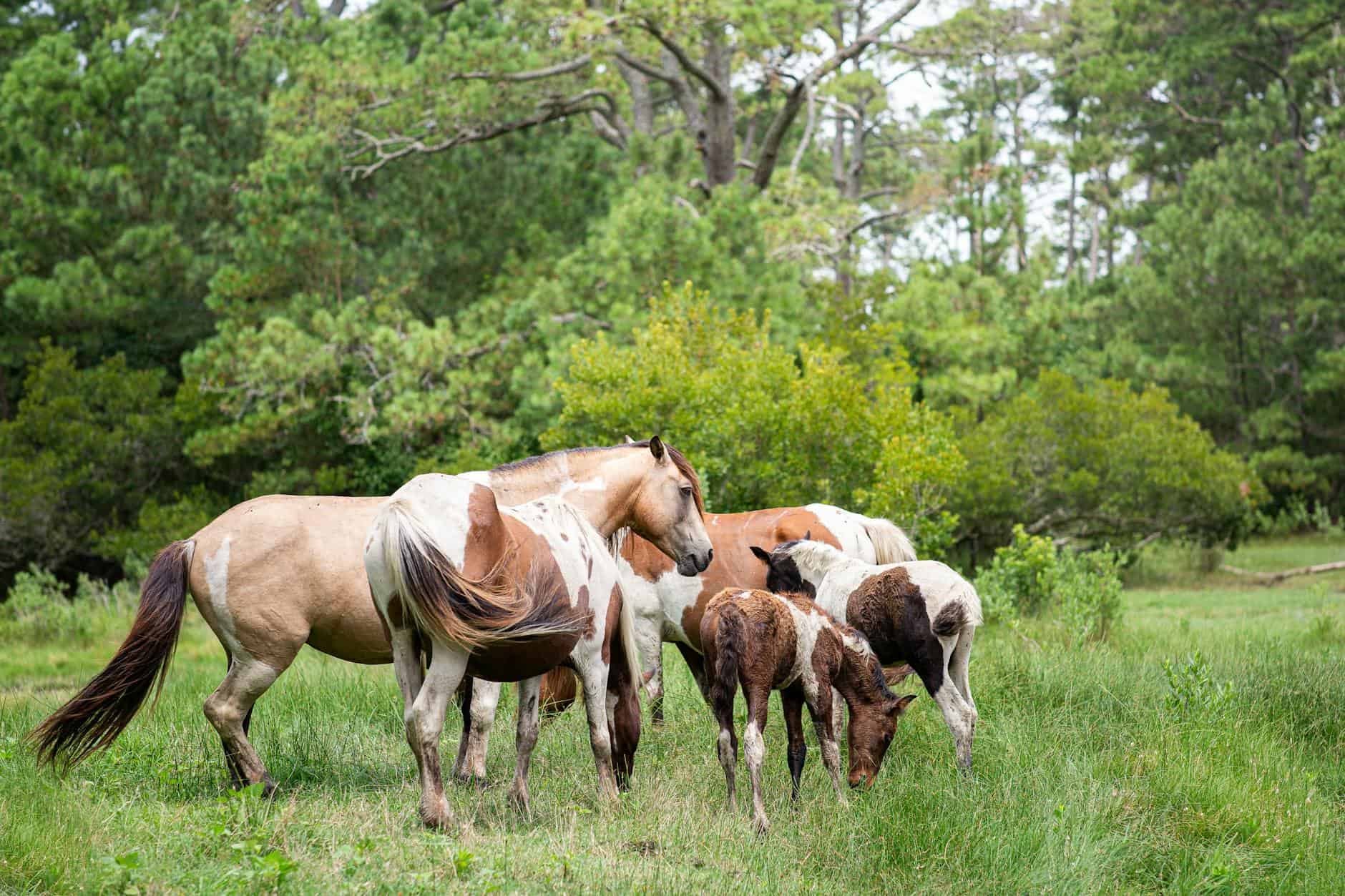
Late spring through early fall is the right window when the weather is warm, and bugs are tolerable. The Bayside Trail and beach walk are both flat, easy, and give you the choice between solitude and people-watching, depending on how far you go. Crowds concentrate near the main beach on summer weekends, but the north beach and late afternoons stay quieter.
Camping here feels more intimate than most national park campgrounds, with sites tucked close to dunes and marsh. The wild horses move freely alongside popular beach access, and that combination of easy shoreline and real animal encounters feels more immediate than driving between viewpoints in a larger park. If you want salt air, simple trails, and a good chance of seeing horses without a long trek or a lottery permit, Assateague delivers.
13) Copper Falls State Park, Wisconsin
Late sun sliding across the upper falls and turning the rocks a warm gray is the image I keep coming back to from Copper Falls. Layered basalt and sandstone cut into tight chutes and wide drops, and the sound of water fills the valley completely. It’s the kind of place that registers differently in person than in photos, which is a good sign.
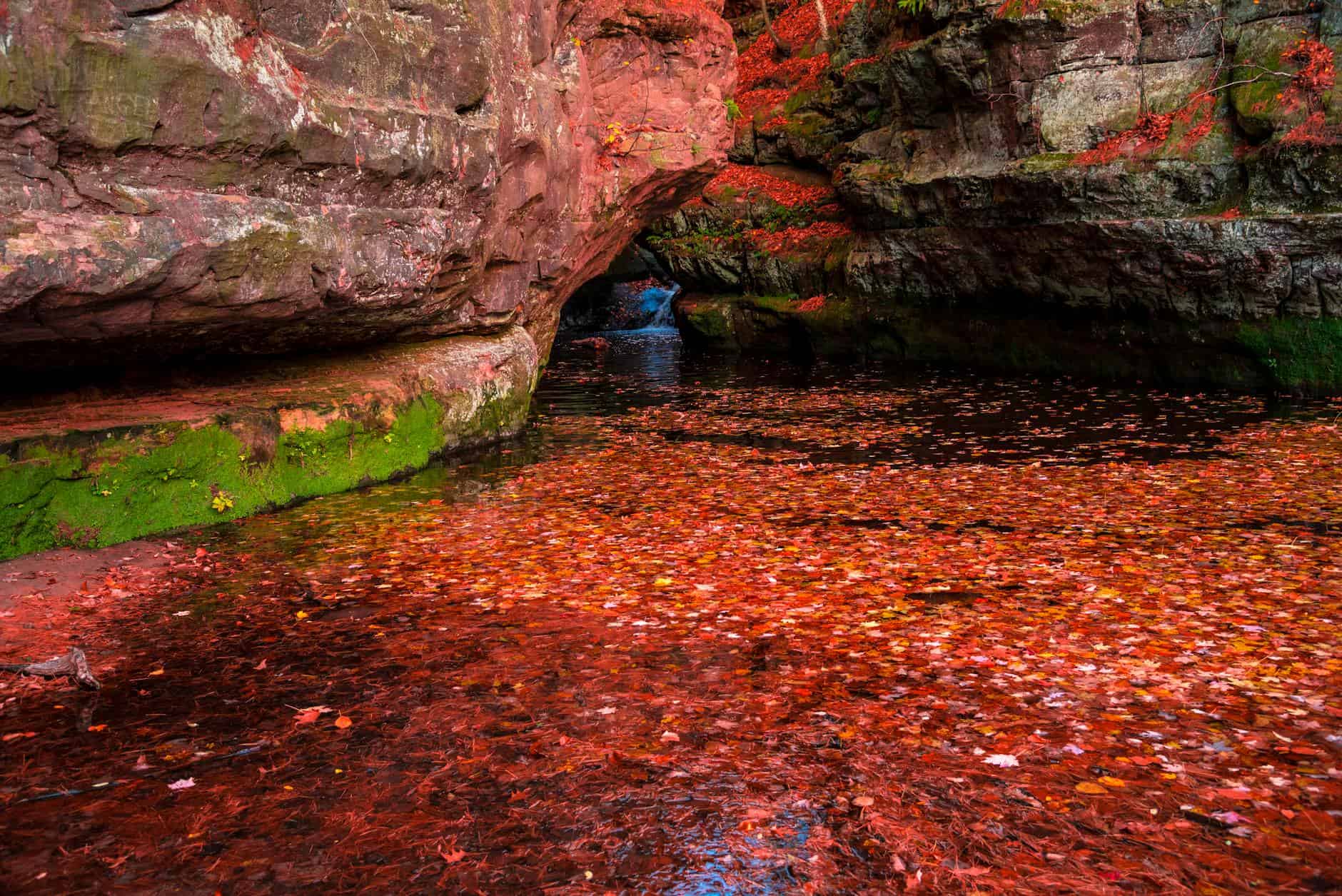
Late spring or early fall brings full flows and cooler hiking weather. The Gorge Trail and North Country Trail segment link overlooks, cascades, and easy spur paths without demanding long mileage. Trout streams and a small campground make it easy to stay after the day crowd leaves, which is worth doing.
Weekdays here are genuinely quiet. Summer weekends get busy, but never approach the congestion of major national parks. What makes Copper Falls work for me is the walkable access: dramatic waterfalls a short distance from the parking lot, with close rock formations and river views that make you feel embedded in the terrain rather than looking at it from a distance.
14) Lime Kiln Point State Park, Washington
Standing on the bluff at golden hour, watching ferries cut silver paths through the water while the Olympic Mountains soften into blue, is a view that earns its reputation. A short loop trail delivers layered sights: salt marsh, rocky shoreline, and those islands that look genuinely different every ten minutes as the light shifts.
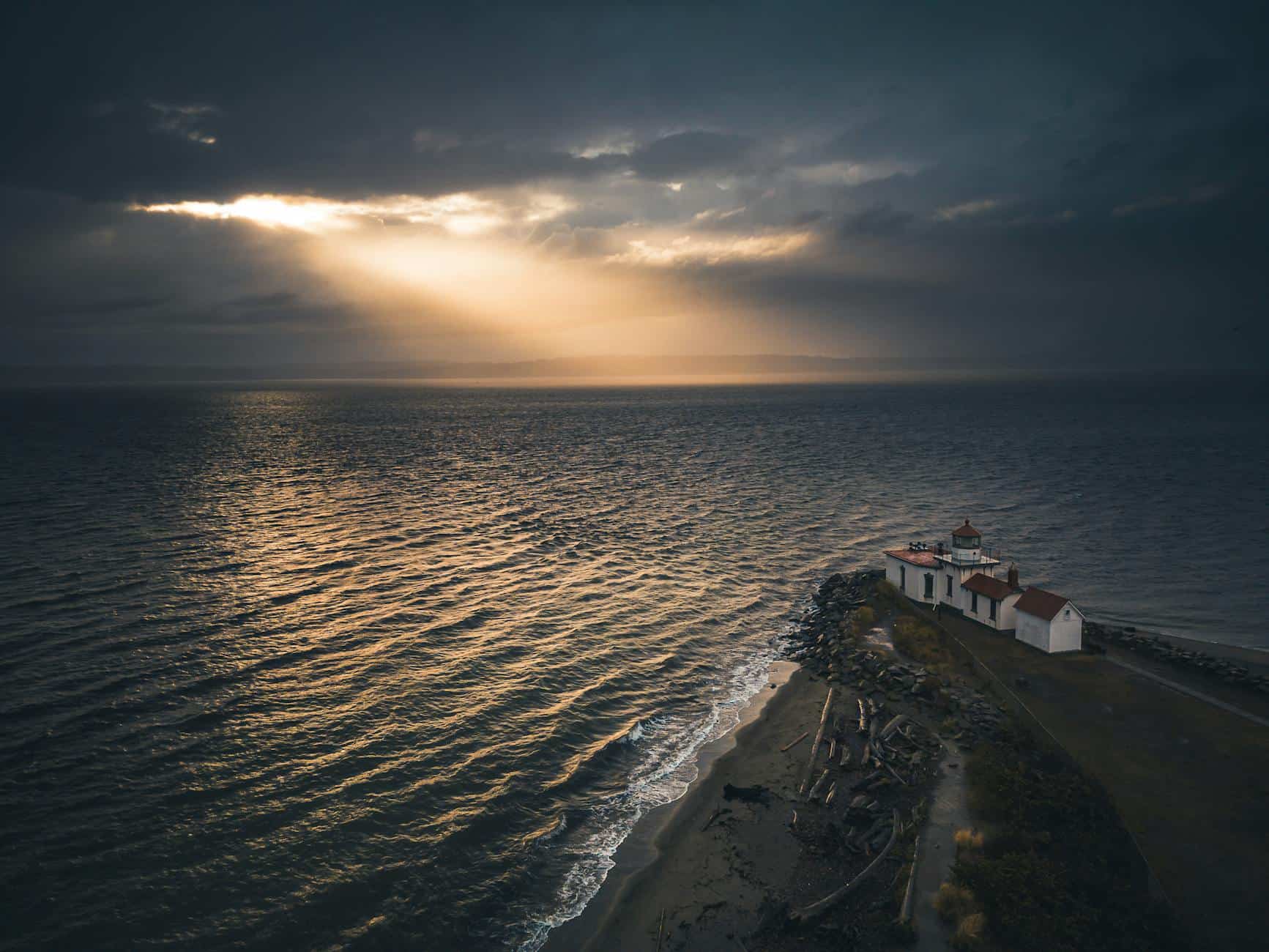
Late spring through early fall is when trails dry, and wildflowers show up along the bluff edges. The main trail is compact and easy, with stair-step descents to tidepools if you want closer inspection. Parking is limited, so arrive early or use a nearby shuttle connection when available.
Crowds stay mild compared with major national parks. Most visitors spend an hour or two and move on, which means the bluff stays unhurried even on good-weather days. This park outperforms bigger parks for coastal drama in a short visit: no long drives, no crowded overlook queues, just a walkable loop with salt air and a view that holds up across multiple visits.
15) Franconia Notch State Park, New Hampshire
The Flume Gorge boardwalk in late afternoon, with granite walls close on both sides and the sound of water filling every gap, is one of those places that forces you to slow down without asking. The cool air and narrow passage do the work automatically.
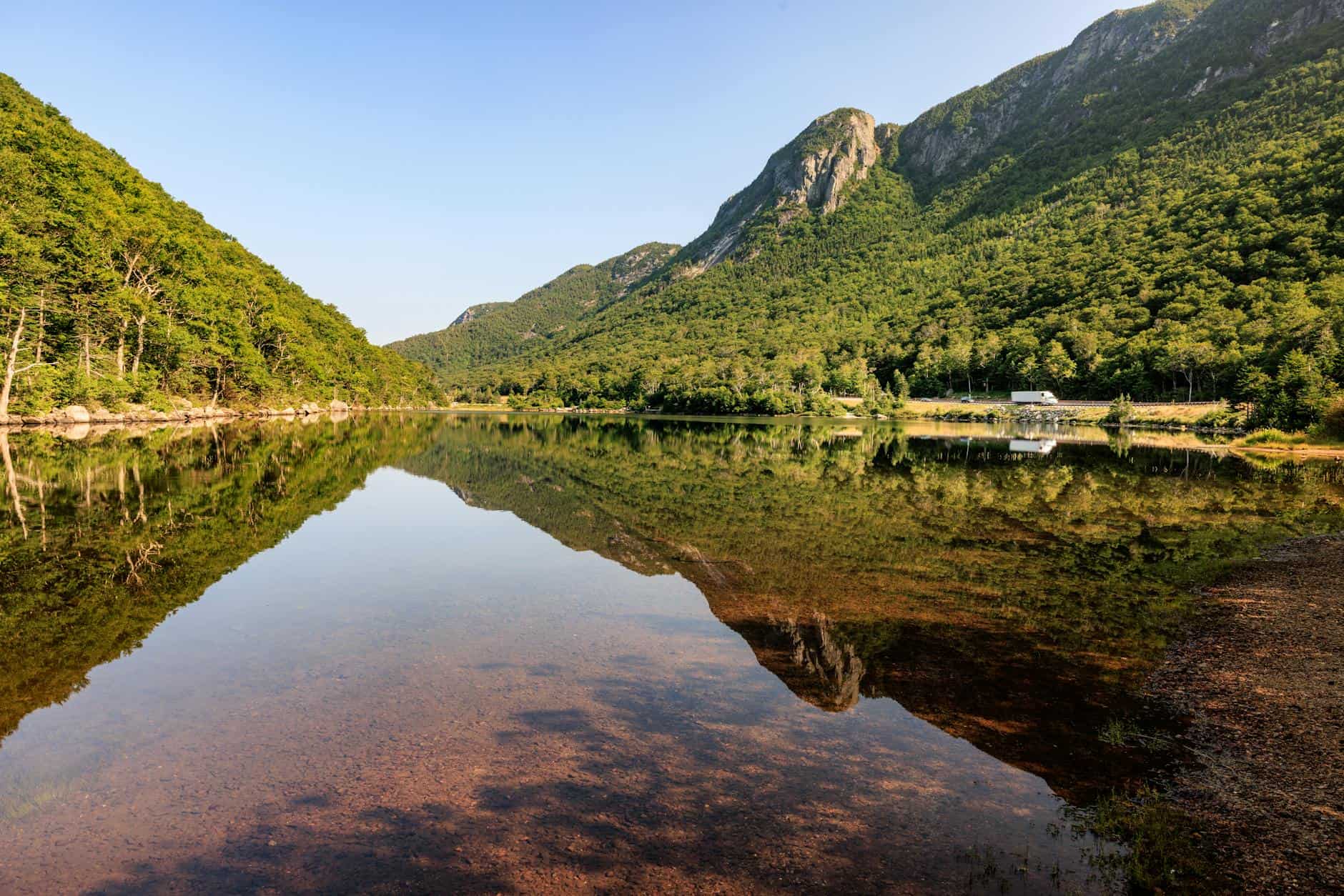
Franconia Notch offers a rare combination: high alpine scenery with genuinely varied access. Hikes range from the short, maintained Flume loop to the Liberty Spring Trail, which leads toward Franconia Ridge, where exposed granite ledges open onto some of the best summit views in the Northeast. The Cannon Mountain Aerial Tramway makes the summit reachable for people who can’t cover the vertical distance on foot.
Late spring through early fall is the window for trails; fall is the window for color. Summers get busy around the tram and popular trailheads, so early starts and weekdays make a real difference. Parking fills fast on clear weekends, but the park’s compact layout keeps everything close.
What sets it apart is the feeling of scale without the long drives. I can do a major ridge hike, stand on granite ledges with wide views, and be at a diner in a small New Hampshire town within 20 minutes. For road-trippers who value direct access to big scenery alongside real small-town stops, Franconia Notch does something most national parks simply can’t.
16) Kickapoo State Park, Illinois
Late afternoon light warming the oaks along the Prairie Ridge Trail is a quieter pleasure than most entries on this list, but that’s the point. The trail curves above the lake and gives long views without the crowds that fill bigger parks, and the pace here is slower in a way that feels like a choice rather than a limitation.
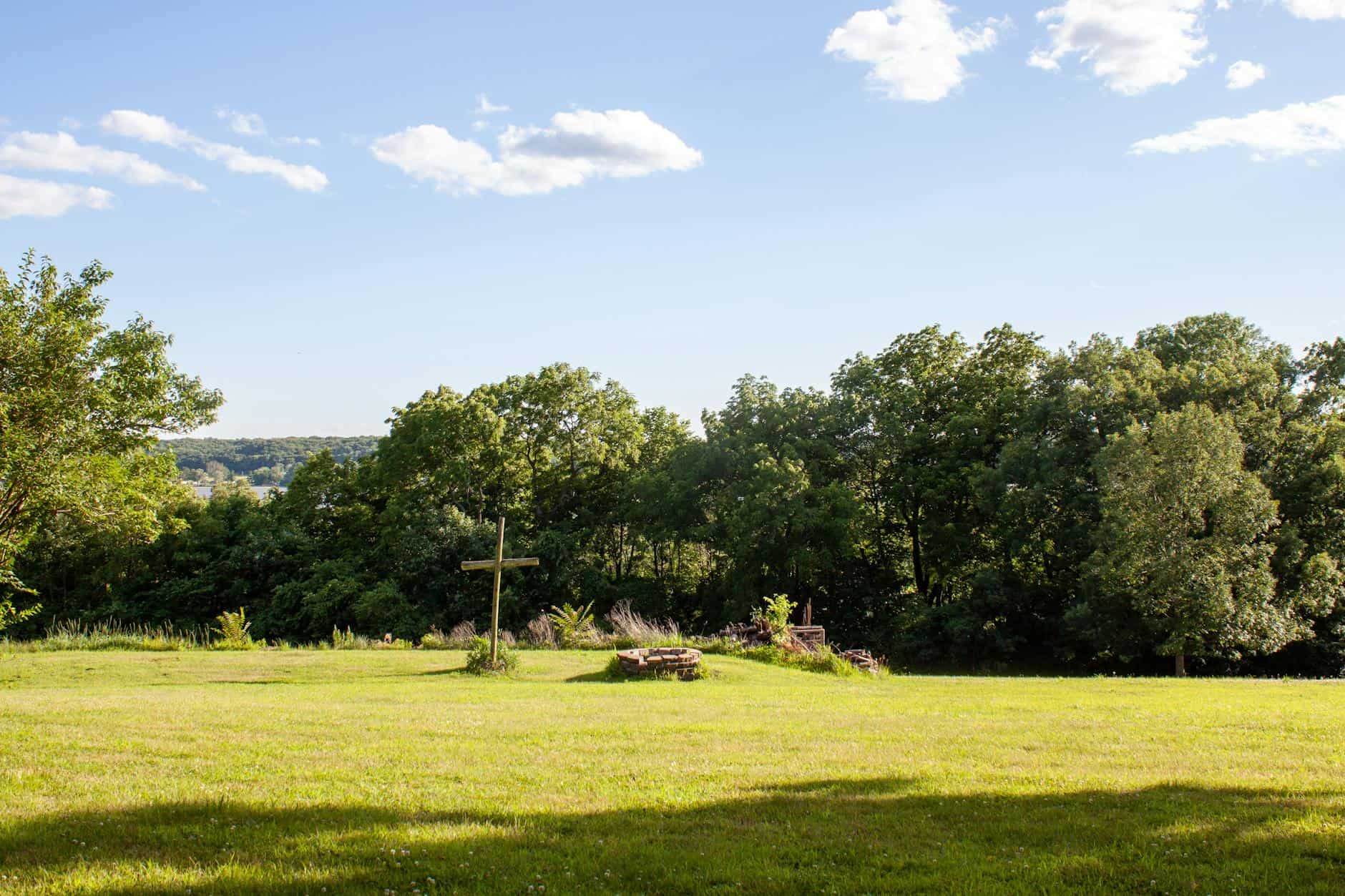
Fall and spring are the best seasons, when wildflowers and foliage earn their reputation. The 11-mile backpack trail and the shorter Lakeview Loop both mix ridge-top views with calm water edges, and campsites sit close enough to trails to feel useful rather than remote. Rolling bluffs and grassland transitions create varied scenery within short walks.
Expect fewer visitors than nearby national parks, and I mean that as genuine praise. Fishing, paddling, or a full day of mixed trails without long drives between spots all work well here. The upkeep is solid, the signs are clear, and the navigation stays simple. On a weekday afternoon, Kickapoo often delivers greater satisfaction than larger parks that require more planning and offer less flexibility.
17) Petit Jean State Park, Arkansas
Standing on a narrow ridge at golden hour, watching a long river bend light up while cool wind moves through scrub oaks, has a way of narrowing your focus down to what’s immediately in front of you. One trail. One ledge. The light changing every few minutes.
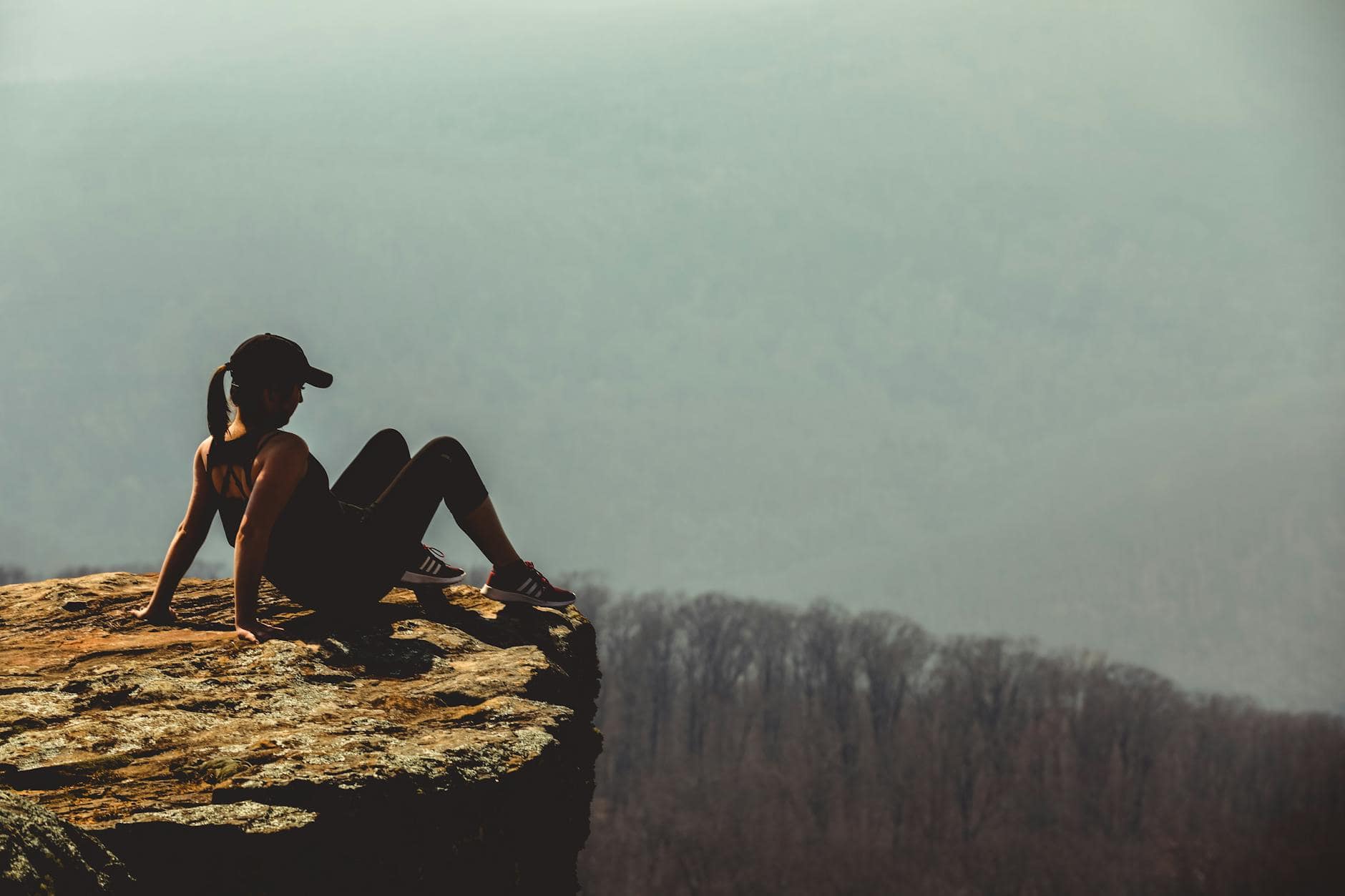
Late spring and early fall are the seasons I’d choose, when wildflowers and fall color are doing something interesting, and the insects have quieted down. The Cedar Falls Trail is the headline route, a 2-mile round trip to a 95-foot waterfall that most visitors underestimate until they’re standing in front of it. The canyon loop adds geology and shade for those who want a second act.
Weekday mornings are close to solitary. Weekends bring modest crowds that the park handles well without feeling overrun. Parking is limited, so an early arrival and a flexible plan are worth more than any reservation system here.
This park outperforms many national parks for relaxed exploration precisely because of its scale. Trails are short enough to do more than one in a day. Viewpoints are reachable without permits or shuttle lines, and the sense of place feels immediate rather than managed. Arkansas doesn’t get enough credit for what it hides in its state park system, and Petit Jean is the clearest example I can point to.
A Note on the Comforts That Actually Matter
I stood at the eastern ridge just after sunrise on a trip I wasn’t planning to write about. The trail was slick with dew, the park was quiet enough that each bird call felt private, and the campsite I’d left ten minutes earlier had a picnic table angled just right for morning light. Small things. But they shape the whole visit.
Campsites Built for Unhurried Mornings
The sites that stay with me are the ones where the stove, the parking pad, and the tent ring sit within a few easy steps of each other. Level tent platforms, a solid lantern hook, and a fire ring with room for stacked wood. Vault toilets that get cleaned more than once a day in summer. Seasonal water at central spigots is close enough to feel convenient. These are the details that separate a good night’s sleep from a logistical frustration, and state parks tend to get them right at a price point that federal campgrounds rarely match.
Late spring through early fall is when this infrastructure shows best: mosquitoes drop after a dry spell, wildflowers are out, and the early light is worth setting an alarm for. Walk three sites away from a crowded lakefront loop, and you often find the quiet that many national parks charge extra for and still don’t guarantee.
Well-Marked Trails and the Freedom They Create
Taking the Ridgeback Loop at Lawson State Park just after the ranger finishes morning checks is one of my go-to moves on unfamiliar terrain. Trailhead signs that show distance, elevation gain, and surface type in plain language let hikers plan realistically. Frequent, color-coded markers keep navigation clean even in low light.
The loop there mixes shaded oak ridges with short meadow stretches, varied scenery in under two hours. Autumn gives the clearest air and most stable footing. Weekday mornings are genuinely uncrowded. Trail maintenance at parks like this prioritizes short connector routes that let you build a hike long enough for a real workout but short enough to be back for lunch, a combination that large national parks often fail to offer simply because their scale works against it.
Local Flavor Worth the Detour
The trailhead at sunset, then two blocks to a café where the regulars are still arguing about pie. That’s the rhythm that makes state park travel different from national park travel. The towns are closer, the stops are less curated by tourism boards, and the conversations are better.
Diners, Gas Stations, and the Right Kind of Local Knowledge
The diner off County Road 7 that serves breakfast all day and pours coffee as dark as October maples is a real place. The biscuits are flaky, the sausage patty is sage-forward, and the owner will point you to a stream access that doesn’t appear on any app. The gas station on Route 23 has friendly clerks who sell local jerky, canned peaches from a family orchard, and a paper map with handwritten trail notes taped to the counter.
Late spring through early fall is when patio seating and roadside stands open up. Mornings belong to locals; afternoons bring day-trippers, but nothing like the crush of a national park parking lot. You get directions from someone who actually hikes the trail, not a ranger working through a script. That difference in information quality is worth more than most trail apps.
What Happens Around a Campfire Ring
I’ve sat at the campfire ring behind Loop B as the night cooled and people traded trail tips with the easy generosity of travelers who’ve already had a good day. Talk there is practical: which ridge holds orchids in May, which creek dries out by August, where moonlight makes a lake look silver. Gear notes and camp stove recipe hacks get swapped alongside microclimate observations that don’t appear in any guidebook.
Shoulder seasons are when this is best. Evenings are crisp, the moths are fewer, and clusters of campers are small enough to invite real conversation. Reservation windows for state park campgrounds tend to be shorter and more forgiving than national park equivalents, which means you’re more likely to end up next to someone who just decided to come, and those are often the best people to share a fire with.
State parks reward the traveler who shows up without a rigid plan. The best evenings I’ve had at any of the 17 parks on this list started the same way: no agenda after dinner, a fire ring, and someone nearby who knew something I didn’t.
Photos provided by Pexels.